美伊谈判真假存疑,特朗普五分钟社媒发文如何撬动华尔街万亿资产

特朗普在Truth Social发帖暂缓对伊朗能源设施打击威胁,油价瞬间暴跌逾13%,标普500指数大幅跳升,美债收益率骤降。尽管伊朗随即否认谈判存在,华尔街已读懂关键信号:特朗普急于结束这场正将全球经济推向衰退的中东战争。本文解析这场"五分钟行情"背后的市场逻辑与风险隐忧。
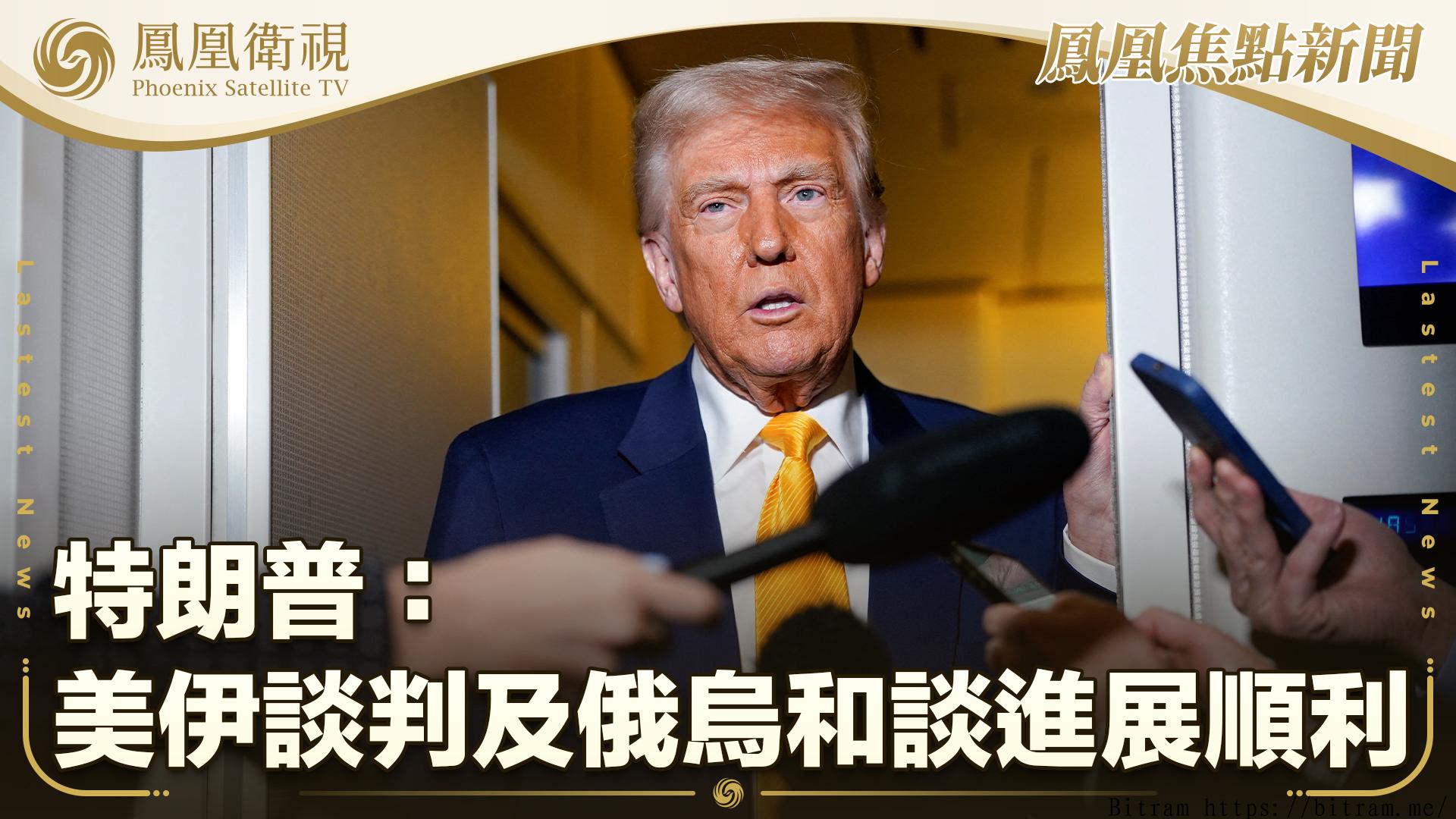
美东时间周一早上7点05分,特朗普在Truth Social发出一条帖子,宣布暂缓对伊朗能源基础设施的打击威胁。就是这条不到百字的社媒动态,在随后五分钟内引爆了一场横跨油市、债市、股市的全球资产狂欢——布伦特原油跌破每桶100美元,跌幅一度超过13%;两年期美债收益率骤降0.22个百分点至3.79%;标普500指数开盘一度飙升2.2%,创下5月以来最大单日涨幅。这是美以对伊战争爆发以来,华尔街经历的波动最剧烈的交易日。
然而,不到一小时后,伊朗方面公开否认任何谈判正在进行。市场随之降温,标普500指数的涨幅从高点逐步收窄至收盘时的约1.2%。这场"五分钟行情"的来去匆匆,恰恰揭示出当前市场的核心矛盾:投资者不是在交易战争本身,而是在交易特朗普究竟想不想结束这场战争。
华尔街读懂的那个信号
即便外界对谈判真实性存疑,多位市场策略师指出,特朗普这一表态本身已传递出足够明确的信息。
BCA Research首席策略师Marko Papic表示:"如果这个问题在未来7到10天内得不到解决,全球经济将面临类似疫情期间的停摆。今天的声明表明,特朗普意识到实体经济可能会断崖式下跌。"
这与去年4月的逻辑如出一辙。彼时特朗普宣布暂缓贸易战措施,将金融市场从崩盘边缘拉回,催生了"TACO"(Trump Always Chickens Out,即"特朗普总会退缩")交易策略——只要政策引发暴跌,特朗普就会转向,逢低买入即可。
知情人士透露,本次表态在一定程度上同样是为了稳定市场情绪,避免周一开盘出现新一轮大规模抛售。债券市场的压力或许是更直接的触发因素:上周五美股创下一年来最长周度连跌,两年期美国国债收益率自战争爆发以来已累计上升超过0.5个百分点,市场对通胀失控的担忧正在抬升全球借贷成本,直接冲击特朗普力推的降低抵押贷款利率目标。RBC Wealth Management策略师Tom Garretson直言,"或许这次又是债券市场迫使他采取了行动。"
"TACO"交易正在失效?
问题在于,伊朗战争与贸易战有一个根本区别:关税可以用一纸政令撤回,战争却不行。
Hirtle Callaghan首席投资官Brad Conger表示,"这件事已不再由特朗普一个人说了算,不像关税那样可以随时叫停。那些因为特朗普对市场反应迅速而感到鼓舞的人,信心是错位的。"伊朗目前仍实际控制霍尔木兹海峡,全球约五分之一的石油贸易流量经此通道。一旦封锁持续,能源价格飙升将带来新一轮通胀冲击,推动各国央行加息,形成滞胀压力——上周全球债券市场已因此重挫逾2.5万亿美元。
瑞穗银行策略师Jordan Rochester则在客户报告中点出了当前市场最棘手的困境:"最难的不是预测战争走向,而是预测白宫将如何沟通,以及市场会对此作出多大反应。市场现在困惑,不清楚这究竟是冲突接近尾声的可信信号,还是又一次'几乎完全搞定'的时刻。"
综合来看,特朗普的这条帖子至少证明了一件事:他本人对战争拖累经济的后果保持高度警觉,市场的痛苦确实在影响他的决策节奏。 但在伊朗态度明朗、霍尔木兹海峡局势真正缓和之前,每一次社媒表态都可能既是反弹机会,也是新的陷阱。投资者在中东地缘风险与特朗普政策不确定性的双重压力下,仍需保持高度警惕。
Real or Fake Iran Talks? How Trump's Five-Minute Post Sent Wall Street on a Wild Ride
At 7:05 a.m. Eastern Time on Monday, Donald Trump posted on Truth Social announcing a pause on his threats to strike Iran's energy infrastructure. That brief social media update triggered a five-minute global asset frenzy spanning oil, bonds, and equities: Brent crude tumbled more than 13%, breaking below $100 per barrel; the two-year Treasury yield plunged 0.22 percentage points to a low of 3.79%; and the S&P 500 surged as much as 2.2% at the open, its biggest intraday gain since May. It was the most volatile trading session on Wall Street since the U.S.-Israel war against Iran began.
Yet within an hour, Iranian officials publicly denied that any negotiations were underway. Markets quickly retreated, with the S&P 500's gains narrowing to roughly 1.2% by the close. The brief spike and fade perfectly captured the central tension gripping investors: they are not trading the war itself, but trading whether Trump wants to end it.
The Signal Wall Street Actually Heard
Even as doubts swirled over the authenticity of any talks, multiple market strategists argued that Trump's statement alone delivered a clear enough message.
Marko Papic, Chief Strategist at BCA Research, warned: "If this issue isn't resolved in the next seven to ten days, the global economy faces a pandemic-style shutdown. Today's statement shows Trump understands the real economy could fall off a cliff."
The dynamic echoes April of last year, when Trump paused tariff measures and pulled financial markets back from the brink — giving rise to the "TACO" trade (Trump Always Chickens Out), which encouraged investors to buy the dip whenever policy shock triggered a selloff.
Sources familiar with the matter say Monday's post was partly intended to calm investor nerves and prevent another painful open. The bond market may have been the more immediate trigger. After U.S. stocks posted their longest weekly losing streak in a year on Friday, the two-year Treasury yield had risen more than 0.5 percentage points since the war began, reflecting mounting fears that inflation will tie central banks' hands — directly undermining Trump's stated goal of lowering mortgage rates. As RBC Wealth Management strategist Tom Garretson put it, "Perhaps it was the bond market that forced his hand again."
Is the "TACO" Trade Breaking Down?
The deeper problem is that the Iran war differs from a trade war in one fundamental way: tariffs can be reversed with the stroke of a pen; a war cannot.
Hirtle Callaghan Chief Investment Officer Brad Conger was blunt: "This is no longer solely Trump's call the way tariffs were. People encouraged by Trump's responsiveness to markets are misplacing their confidence." Iran still physically controls the Strait of Hormuz, through which roughly one-fifth of global oil trade flows. A prolonged blockade risks a new inflation shock, forcing central banks to raise rates further and deepening stagflation fears — a dynamic that already helped wipe more than $2.5 trillion from global bond markets last week, putting them on course for their worst monthly loss in over three years.
Mizuho strategist Jordan Rochester framed the market's core dilemma in a note to clients: "The hardest part isn't forecasting the war's trajectory — it's forecasting how the White House will communicate, and how much the market will react. Markets are confused about whether this is a credible signal that the conflict is nearing its end, or just another 'we're very close' moment."
Taken together, Trump's post proved at least one thing: he is acutely aware that the war's economic toll is real, and market pain is influencing his decision-making. But until Iran's position becomes clearer and the Strait of Hormuz situation genuinely de-escalates, every social media post could be both a trading opportunity and a fresh trap. With Middle East geopolitical risk and Trump policy uncertainty bearing down simultaneously, investors have every reason to stay on high alert.
发表评论