美伊谈判真相:特朗普立场突变、秘密外交斡旋与中东局势最新进展

2026年3月,美伊双方围绕是否举行停战谈判各执一词。特朗普声称已与伊朗达成"协议要点"并推迟军事打击,伊方则否认任何直接谈判。本文梳理这场真假难辨的外交博弈背后,中东多国斡旋、油价剧震、军力部署等关键信息,解析美伊局势走向。
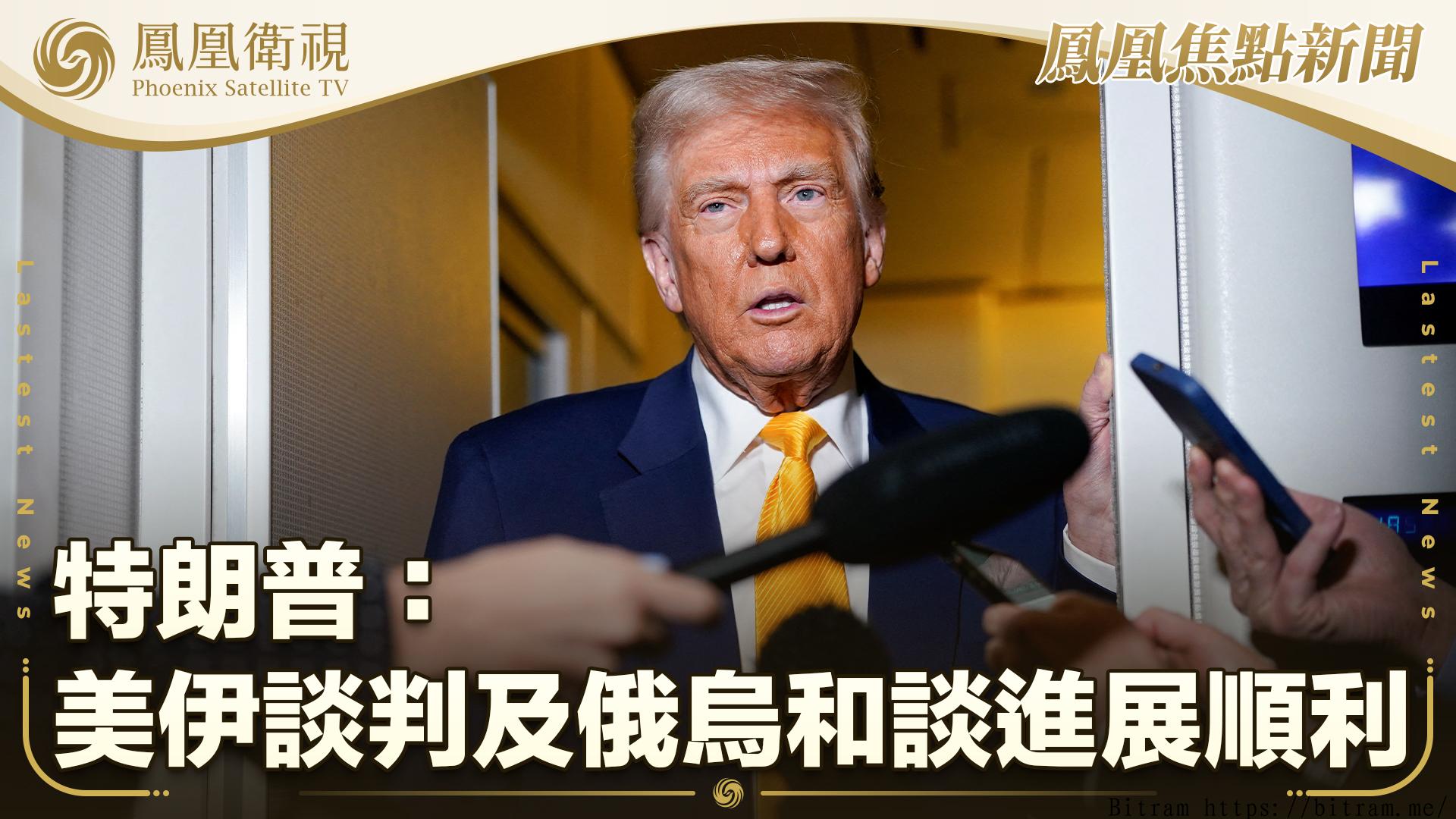
2026年3月23日,围绕美国与伊朗之间的停战谈判,一场真假难辨的外交风波迅速席卷全球视野。特朗普当天公开宣称,美伊已进行"强有力"对话并形成协议要点,并宣布将原定的军事打击推迟五天。然而伊朗方面随即予以否认,声称从未与美国举行任何正式谈判,双方说法形成鲜明矛盾。
消息一出,国际油价随即剧烈震荡。全球基准布伦特原油期货单日暴跌逾10%,每桶跌破100美元关口,报99.94美元;美国基准西德克萨斯中质原油同步下跌10.3%,收于88.13美元。如此幅度的单日跌幅,折射出市场对中东局势极度敏感的神经,也让外界对这场"谈判"的真实性更加存疑。
特朗普态度为何骤然转变?
就在两天前的21日,特朗普还在海湖庄园发出强硬最后通牒,威胁若伊朗不在48小时内重新开放霍尔木兹海峡,将摧毁其价值逾百亿美元的发电设施。态度的急转弯,背后是一场低调而密集的多边外交努力。
据披露,19日凌晨,埃及、土耳其、沙特阿拉伯和巴基斯坦的外长已悄然聚集利雅得,共同商讨以外交手段化解局势。其中,埃及情报官员被认为成功打通了与伊朗革命卫队的沟通渠道,并提出一项"敌对行动暂停五天"的信任建立方案。当这一外交努力的消息传至白宫后,特朗普迅速调整姿态,转向外交路线。
一位与白宫有接触的海湾地区官员指出,特朗普此举很可能并非真正的战略转向,而是在为自己设定的最后期限"找台阶下"。更关键的问题在于:他究竟是真心寻求和解,还是通过提出不切实际的条件,故意让伊朗说"不",为下一步军事行动制造舆论铺垫?
谁在谈?谁在否认?
目前局势的复杂性在于,各方叙述存在系统性出入。
- 特朗普声称对话已涉及伊朗核计划与核储备问题,远超重开霍尔木兹海峡这一单一议题
- 外界盛传伊朗伊斯兰议会议长卡利巴夫参与了谈判,但卡利巴夫本人在社交媒体上明确否认,并称相关消息是"操纵金融和石油市场"的假新闻
- 伊朗外交部强调,德黑兰仅通过友好第三方国家接收了美方意愿,并按原则立场作出回应,不存在直接谈判
与此同时,军事部署信号并未停止。据悉,数千名美国海军陆战队队员计划于27日——即特朗普为伊朗重设的最后期限当天——抵达中东地区。美国国防部亦在评估部署第82空降师快速反应部队的可能性。军事与外交两条线并行推进,令局势走向愈发难以预判。
以色列方面,总理内塔尼亚胡虽对谈判消息未作正面表态,但表示已与特朗普通话,并重申以色列将继续对伊朗和黎巴嫩展开打击行动,措辞强硬。
"更难判断的是,特朗普究竟是真心想找退路,还是在提出不切实际的要求,以便让伊朗说'不'。"——海湾地区官员
综合来看,此轮美伊外交博弈本质上是一场信息战与压力测试的叠加:特朗普需要一个体面的台阶,伊朗需要维护立场的尊严,多个中间调解国各自争当"首席和平缔造者"。在协议真正落地之前,局势仍处于高度不确定性之中。油价、地区安全乃至全球能源格局,都将随这场博弈的走向持续承压。
US-Iran Talks: Trump's Sudden Pivot, Secret Diplomacy, and the Pressure Game Behind the Ceasefire Claims
On March 23, 2026, a murky diplomatic storm swept across global headlines as the United States and Iran offered sharply contradictory accounts of whether ceasefire talks had taken place. President Trump publicly declared that the two sides had engaged in "powerful" dialogue and reached the outlines of a deal, announcing a five-day postponement of threatened military strikes. Tehran swiftly pushed back, insisting no formal negotiations had occurred — leaving the world to sort out what was real and what was spin.
Financial markets reacted immediately. Brent crude futures, the global benchmark, plunged more than 10% in a single session, falling below $100 to close at $99.94 per barrel. US benchmark West Texas Intermediate dropped 10.3% to $88.13. A single-day move of that magnitude laid bare just how exposed energy markets are to Middle East tensions — and how much skepticism surrounds the "deal" Trump described.
Why Did Trump's Position Shift So Suddenly?
Just two days earlier, on the 21st, Trump had issued a blunt ultimatum from Mar-a-Lago: reopen the Strait of Hormuz within 48 hours or face the destruction of Iranian power infrastructure worth more than $10 billion. The sudden pivot toward diplomacy traces back to a quiet but intensive burst of multilateral backchanneling.
In the early hours of the 19th, the foreign ministers of Egypt, Turkey, Saudi Arabia, and Pakistan had convened in Riyadh to explore a diplomatic off-ramp. Egyptian intelligence officials were reportedly instrumental in opening a channel to the Islamic Revolutionary Guard Corps, proposing a five-day halt to hostilities as a confidence-building measure. When word of these efforts reached the White House, Trump shifted course.
A Gulf official with ties to the White House suggested Trump's reversal may be less a genuine strategic change and more a face-saving exit from a deadline he had painted himself into. The harder question, the official noted, is whether Trump actually wants a deal — or whether he is deliberately setting terms he knows Iran will reject, laying the groundwork for military action under the cover of diplomacy.
Who Is Talking — And Who Is Denying It?
The situation is made more complicated by a web of conflicting narratives.
- Trump claimed discussions had already expanded to cover Iran's nuclear program and uranium stockpiles — well beyond the question of reopening the strait
- Iranian parliament speaker Qalibaf was widely reported to be involved in talks, but he publicly denied this on social media, calling the claims fabricated news designed to "manipulate financial and oil markets"
- Iran's Foreign Ministry maintained that Tehran had only received messages from friendly third-party nations relaying US intentions, and had responded based on its principled positions — stopping well short of direct negotiation
Military signaling, meanwhile, has not let up. Thousands of US Marines are reportedly set to arrive in the Middle East on the 27th — the very day Trump identified as his revised deadline for Iran. The Pentagon is also weighing deployment of the 82nd Airborne Division's rapid reaction force to support potential operations. With diplomatic and military tracks running in parallel, the trajectory of this standoff remains deeply uncertain.
Israeli Prime Minister Netanyahu, while declining to comment directly on the reported talks, confirmed he had spoken with Trump and reiterated that Israel would continue operations against Iran and Lebanon — a signal that the military option is far from off the table.
"What is harder to judge is whether Trump genuinely wants a way out, or whether he is making demands he knows Iran will reject." — Gulf official with White House contacts
Taken together, this round of US-Iran brinkmanship is best understood as a layered exercise in information warfare and pressure testing: Trump needs a dignified exit ramp; Iran needs to preserve its posture of defiance; and multiple mediating countries are each jockeying to be seen as the chief peacemaker. Until a concrete agreement is signed and verified, the situation remains highly volatile. Oil prices, regional security, and the broader global energy landscape will all continue to hinge on which way this high-stakes gamble breaks.
发表评论