黄金单周暴跌逾10%,创43年最大跌幅:投资神话破灭还是理性回归?

本周国际金价单周跌幅超10%,创1983年以来近43年最大单周跌幅纪录,现货黄金收于4491美元/盎司。美联储降息预期延迟、油价飙升推高通胀预期、美元强势走高是本轮暴跌三大主因。多位经济学家指出,黄金并非"只涨不跌",其中期走势仍取决于实际利率走向与美联储政策转向时点。
本周,国际黄金市场经历了一场罕见的剧烈震荡。现货黄金单周累计下跌10.49%,最终收于4491.67美元/盎司;COMEX黄金期货跌幅更达11.26%,收于4492美元/盎司。这是自1983年3月以来国际金价的最大单周跌幅纪录,此前半年多时间内积累的强势涨幅,在短短数日内遭遇大幅回撤,引发全球金融市场高度关注。
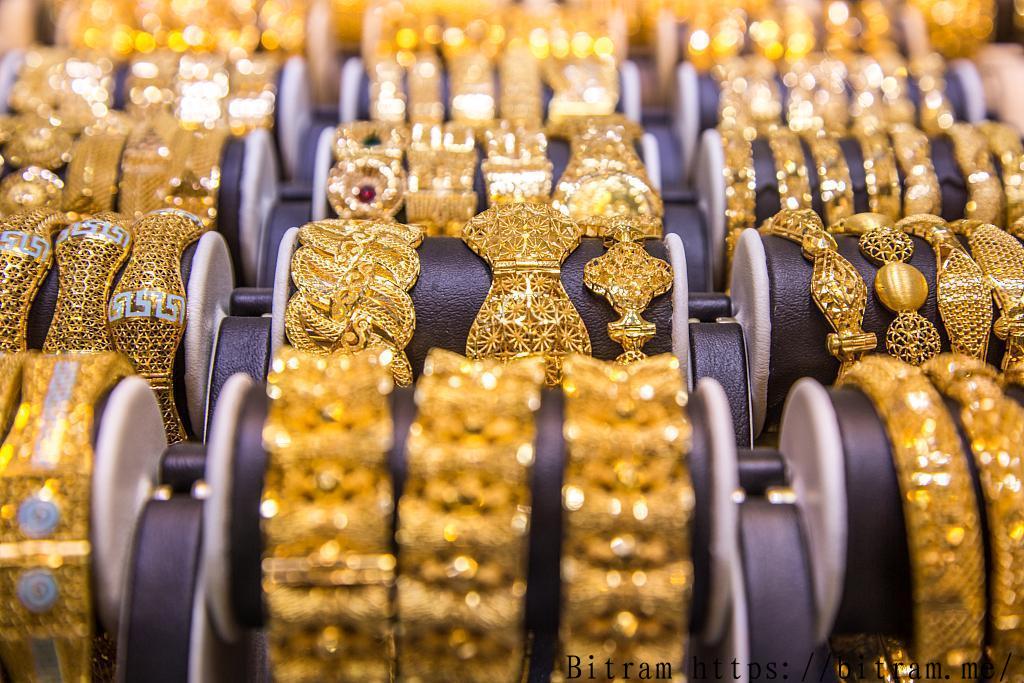
值得注意的是,现货黄金曾在今年1月29日触及5598.75美元/盎司的阶段性高点,相比当前价格累计涨幅一度高达72.45%。黄金的这轮"神话级"上涨,因本周的剧烈回调而蒙上了一层阴影。金饰零售市场亦同步走低,以周大福为例,足金零售价格在一周内从1557元/克跌至1397元/克,单克跌幅高达160元。
为什么黄金会突然暴跌?
这轮下跌的导火索,是市场对美联储降息预期的大幅修正。伊朗封锁霍尔木兹海峡使国际油价一度飙升至119美元/桶,推高全球通胀预期,美联储年内降息的可能性随之大幅下降。对于不产生利息的黄金资产而言,实际利率上升是最直接的利空信号。
与此同时,美元指数强势突破100关口,创近一年半以来新高,进一步压制金价。部分机构因其他资产遭遇损失,被迫抛售黄金头寸以补充流动性,加速了市场的踩踏式下跌。南开大学金融学教授田利辉指出,当前黄金市场已被ETF、期货及衍生品高度渗透,算法交易与程序化止损机制的存在,使价格在短期内的波动幅度远超基本面本身。
黄金短期定价的核心锚,从来不是避险情绪,而是实际利率与美元走势。——田利辉
与1983年的那次大跌相比,彼时是产油国大规模抛售黄金换取外汇,属于供给侧冲击;此次则是降息预期崩塌引发需求端收缩,本质逻辑截然不同,但两者都印证了一个事实:黄金从来不是"只涨不跌"的避险神器。
未来走势怎么看?
多位业内专家认为,短期内金价存在技术性超卖的反弹机会,但趋势能否逆转仍需观察。若4500美元关口持续失守,下一关键支撑区间将在4200—4300美元附近。触发反弹的潜在因素包括:
- 美联储释放政策立场软化信号
- 地缘局势出现实质性缓和
- 美股科技板块大幅回调引发风险偏好重定价
从中期黄金投资价值来看,走势仍将高度依赖实际利率路径。若美国经济数据持续强劲,降息延后预期强化,金价将继续承压;反之,若经济下行压力加剧倒逼美联储转向,实际利率下行则将重新打开黄金上行空间。
对于普通投资者而言,此次暴跌是一堂清醒课:黄金的核心价值在于资产组合中的长期配置"压舱石"功能,而非短期投机工具。建议采取分批布局、控制仓位的策略,避免追涨杀跌。黄金从来不是神话,它只是一个由实际利率、美元信用与风险情绪共同驱动的普通资产,理解这一点,才是黄金投资的真正入门。
Gold Suffers Worst Weekly Drop in 43 Years, Plunging Over 10%: End of a Myth or Rational Correction?
Global gold markets were rocked this week by one of the most dramatic selloffs in decades. Spot gold plunged 10.49% on a weekly basis, closing at $4,491.67 per ounce, while COMEX gold futures fell even further by 11.26% to settle at $4,492 per ounce. This marks the largest single-week decline in international gold prices since March 1983 — nearly 43 years — erasing months of hard-won gains and sending shockwaves through financial markets worldwide.
To put this in perspective, spot gold had surged to a peak of $5,598.75 per ounce on January 29 this year, representing a cumulative gain of as much as 72.45% over roughly six months. That remarkable rally has now been severely dented. The selloff also hit retail jewelry markets: major brands saw gold prices drop sharply, with Chow Tai Fook's pure gold retail price falling from 1,557 yuan per gram to 1,397 yuan — a single-week drop of 160 yuan per gram.
Why Did Gold Crash So Suddenly?
The trigger was a dramatic repricing of U.S. Federal Reserve rate-cut expectations. Iran's blockade of the Strait of Hormuz sent international crude oil prices spiking to as high as $119 per barrel, stoking global inflation fears and all but extinguishing hopes for near-term Fed easing. For gold — a non-yielding asset — rising real interest rates are the most direct bearish signal possible.
Compounding the pressure, the U.S. Dollar Index surged past the key 100 level to hit an 18-month high, further weighing on gold. Some institutional investors, facing losses elsewhere in their portfolios, were forced to liquidate gold positions to raise cash — a form of "fire-sale" selling that accelerated the downturn. Tian Lihui, a finance professor at Nankai University, noted that today's gold market is heavily dominated by ETFs, futures, and derivatives, meaning that algorithmic trading and programmatic stop-loss mechanisms can amplify price swings far beyond what fundamentals alone would justify.
The short-term pricing anchor for gold has never been safe-haven sentiment — it has always been real interest rates and the direction of the U.S. dollar. — Tian Lihui
Compared to the 1983 crash, which was driven by oil-producing nations dumping gold to shore up foreign exchange reserves — a supply-side shock — this week's collapse was fundamentally a demand-side event triggered by collapsing rate-cut expectations. The two episodes differ in cause, but they share one uncomfortable truth: gold has never been an asset that only goes up.
What Comes Next for Gold Prices?
Several experts believe a technical rebound is possible in the near term, given the extent of oversold conditions, but a sustained trend reversal remains uncertain. If the $4,500 level fails to hold, the next key support zone is seen around $4,200–$4,300, corresponding to a dense trading range established since Q3 2024. Potential catalysts for a recovery include:
- The Fed signaling a softer stance on monetary policy
- A meaningful de-escalation in geopolitical tensions
- A sharp pullback in U.S. tech stocks prompting a broader risk-appetite repricing
Looking at the medium-term outlook for gold investment, the trajectory remains tightly tied to real interest rates. If U.S. economic data continues to surprise to the upside and rate-cut expectations are pushed further out, gold will remain under pressure. Conversely, if signs of a slowdown force the Fed to pivot toward easing, falling real rates could once again open the door for a gold rally.
For retail investors, this week's crash serves as a sobering reminder: gold's true value lies in its role as a long-term portfolio stabilizer, not as a short-term trading vehicle. A strategy of gradual accumulation and disciplined position sizing is far more appropriate than chasing momentum. Gold is not a myth — it is simply an asset driven by real interest rates, dollar dynamics, and risk sentiment. Understanding that is the real starting point for any serious gold investment strategy.
发表评论