油荒冲击东南亚:加油站断供、渔船停港、寺庙火化费用暴涨25%

中东局势引发全球油价破百,东南亚多国正面临严峻油荒:菲律宾、老挝、柬埔寨加油站大规模断供,泰国渔民停工、卡车司机抗议,寺庙暂停免费火化服务,火化费用上涨25%。越南推行居家办公,新加坡警告电价上涨。东南亚石油储备普遍不足,霍尔木兹海峡依赖度极高,能源危机或将持续。
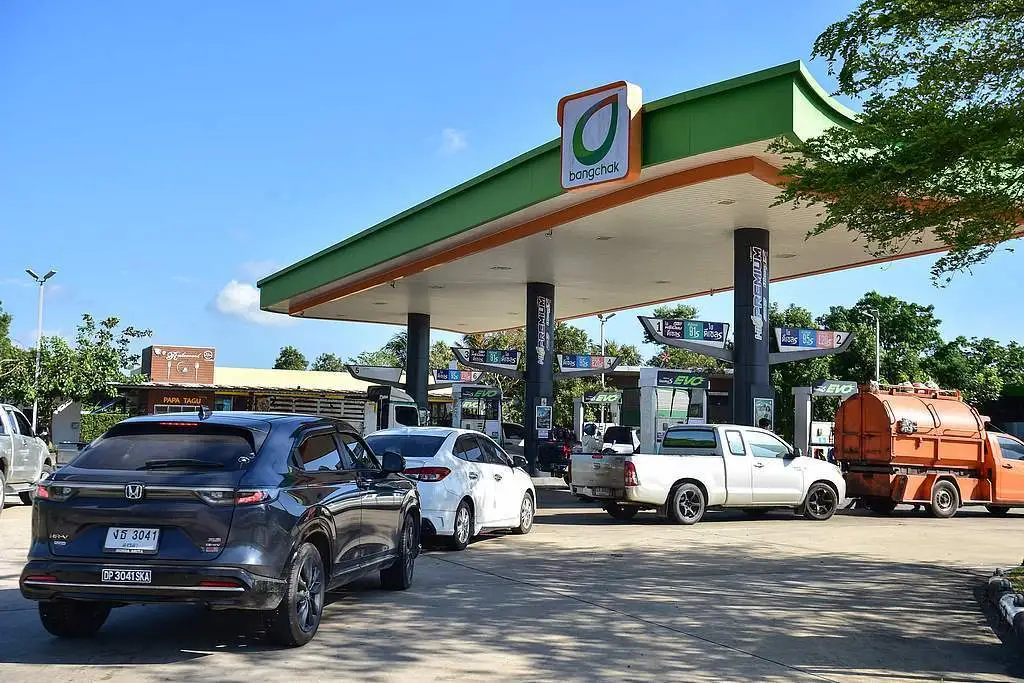
当国际原油价格再度突破每桶100美元,最先感受到震动的,不是华尔街的交易员,而是东南亚街头排队等候加油的普通人。这场由中东冲突引发的油荒正在快速蔓延至整个东南亚地区,从菲律宾的三轮车司机到泰国的渔民,从老挝关门停业的加油站到寺庙里停办的免费火化仪式,能源危机已深刻嵌入数百万人的日常生计。
东南亚对波斯湾石油的依赖程度远超外界想象——近80%的原油进口需经霍尔木兹海峡运输,约四分之一的液化天然气同样途经此地。而与日本、韩国拥有200天以上战略储备不同,印尼和越南的石油储备仅够维持约20至23天,缅甸约40天。一旦供应链出现阻断,抗压能力极为有限。
各国应急措施难掩燃料告急
断供的连锁反应已相当直观。老挝超过40%的加油站因从泰国进口的燃料中断而关闭;柬埔寨约三分之一的加油站停业;菲律宾政府向数万名机动三轮车和吉普尼司机发放约84美元的紧急补贴,以缓解出行压力。越南政府强烈建议非必要岗位员工转为居家办公,试图以此压低通勤燃料需求。
泰国卡车司机联合会主席批评政府"无能且管理不善",带领数十名司机在林查班港附近停车抗议。
泰国的情况尤具代表性。政府高层以穿短袖上班为示范,将公务楼空调温度上调至26摄氏度;已与安哥拉和美国签署新石油采购合同,但同时承认无力从国家石油基金继续借资补贴油价,只能放任价格上涨。这种政策信号与现实窘境之间的落差,正在激化民间对政府应对能力的不信任。
火化停办、渔船靠岸,危机渗入社会肌理
燃料短缺对民生的侵蚀已超出经济层面。 泰国多座寺庙因柴油断供,被迫暂停免费火葬服务——火化炉本以柴油为主要燃料,而如今许多加油站已无柴油可售。偏远地区的寺庙受冲击最重,火化费用上涨约25%,单次费用升至约6000泰铢,这对低收入家庭而言是一笔沉重负担。
- 渔业:泰国北榄府沿海渔民已无力承担出海成本,大批渔船被迫停靠港口
- 物流:卡车司机因油价高企停工,港口货运面临压力
- 缅甸:经济本已动荡,军政府进一步实施单双号限行以强制节省燃料
- 新加坡:虽相对稳定,但政府已警告电价可能随天然气价格上涨而走高
"这场危机发生在国外,但受害的是我们。"泰国渔民的这句话,道出了整个东南亚的共同处境。
美国、德国、日本、韩国等主要经济体已陆续启动战略石油储备释放,但对于储备薄弱、高度依赖进口的东南亚国家而言,外部援助的传导需要时间。新加坡总统尚达曼直言,民众必须为"一场长期的全球政治动荡风暴"做好准备。这场油荒究竟能持续多久、冲击会扩散到多深,仍是整个地区悬而未决的问题。能源安全,正在成为东南亚各国政府无法回避的战略课题。
Fuel Crisis Hits Southeast Asia: Gas Stations Run Dry, Fishing Boats Stranded, Cremation Costs Surge 25%
When international crude oil prices broke through $100 per barrel once again, it wasn't Wall Street traders who felt the shock first — it was ordinary people lining up at gas stations across Southeast Asia. Sparked by conflict in the Middle East, a fuel crisis is spreading rapidly across the region, upending the lives of millions: from tricycle drivers in the Philippines to fishermen in Thailand, from shuttered gas stations in Laos to Buddhist temples forced to suspend free cremation services.
Southeast Asia's dependence on Persian Gulf oil runs far deeper than most outsiders realize. Nearly 80% of the region's crude oil imports pass through the Strait of Hormuz, as does roughly a quarter of its liquefied natural gas. Unlike Japan and South Korea, which maintain strategic reserves sufficient for more than 200 days, Indonesia and Vietnam hold only about 20 to 23 days of supply, Myanmar around 40 days. When supply chains are disrupted, these countries have very little buffer.
Emergency Measures Can't Hide the Scale of the Shortage
The cascade of fuel cutoffs is already starkly visible. More than 40% of gas stations in Laos have closed due to interrupted fuel imports from Thailand. About a third of Cambodia's stations have shut down. In the Philippines, the government is distributing emergency subsidies of around $84 to tens of thousands of motorcycle tricycle and jeepney drivers. Vietnam has strongly encouraged non-essential office workers to work from home in a bid to reduce commuting fuel demand.
The chairman of Thailand's land transport federation accused the government of being "incompetent and mismanaged," leading dozens of truck drivers in a protest blockade near Laem Chabang Port.
Thailand offers a particularly telling picture. Senior officials have set an example by wearing short-sleeved shirts to work, while government buildings have raised air conditioning temperatures to around 26 degrees Celsius. The government has signed new oil procurement deals with Angola and the United States — but has simultaneously admitted it can no longer draw from the national oil fund to subsidize prices, and has had to allow fuel costs to rise. The gap between policy messaging and practical reality is fueling growing public distrust in the government's ability to manage the crisis.
Cremations Suspended, Fishing Boats Docked: Crisis Seeps Into Daily Life
The fuel shortage has cut deeper than economics. Multiple Buddhist temples across Thailand have been forced to suspend free cremation services after running out of diesel — cremation furnaces rely primarily on diesel fuel, and many gas stations report their diesel supply is completely exhausted. Temples in remote areas have been hit hardest, with cremation costs rising roughly 25% to around 6,000 Thai baht per service, a significant burden for low-income families.
- Fishing industry: Coastal fishermen in Samut Prakan province can no longer afford to go out to sea, leaving fleets stranded in port
- Logistics: Truck drivers have stopped operating due to soaring fuel costs, putting pressure on port cargo movement
- Myanmar: Already in economic turmoil, the military government has imposed odd-even vehicle rationing to force fuel conservation
- Singapore: Relatively stable but the government has warned electricity prices may rise alongside natural gas costs
"This crisis happened far away, but we are the ones suffering." That remark from a Thai fisherman captures the shared predicament felt across Southeast Asia.
Major economies including the United States, Germany, Japan, and South Korea have begun releasing strategic petroleum reserves, but for Southeast Asian nations with thin reserves and near-total import dependence, the benefits of external relief will take time to arrive. Singapore's President Tharman Shanmugaratnam warned plainly that people must "prepare for a prolonged storm of global political turbulence." How long this fuel crisis will last — and how deeply its effects will reach — remains an open question across the region. Energy security has become a strategic challenge that Southeast Asian governments can no longer afford to ignore.
发表评论