伊朗革命卫队警告:若美国袭击发电站,将全面封锁霍尔木兹海峡并打击以色列及美军基地

伊朗武装部队发出强硬警告,若美国对伊朗发电站实施打击,伊朗将全面关闭霍尔木兹海峡、打击以色列能源基础设施、摧毁美国在中东投资企业,并将驻有美军基地国家的发电设施列为打击目标。此次紧张局势源于特朗普要求伊朗48小时内开放海峡的社交媒体发文。
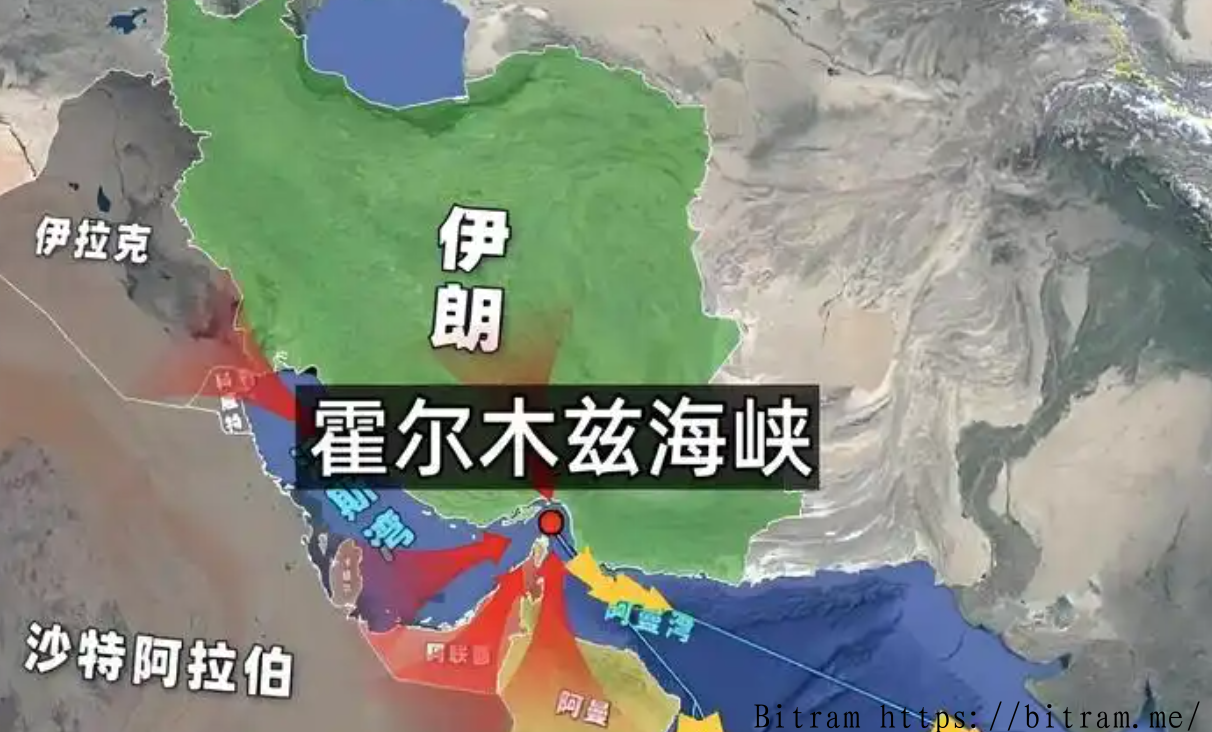
伊朗与美国之间的紧张对峙再度升级。伊朗武装部队近日发表正式声明,明确列出四项"惩罚性"反制措施——一旦美国对伊朗发电站的威胁付诸行动,伊朗将立即启动全面封锁霍尔木兹海峡等一系列强硬回应。这一表态,是伊美双方近期围绕霍尔木兹海峡控制权展开激烈博弈的最新注脚。
事件导火索来自美国前总统特朗普于3月21日在社交媒体上发出的强硬警告。特朗普要求伊朗在48小时内开放霍尔木兹海峡,并威胁称若不服从,将对伊朗各类发电设施实施打击并将其摧毁。措辞之强硬,在国际社会引发广泛关注。
伊朗四项反制措施详解
面对上述威胁,伊朗武装部队开出了清晰的"反击清单":
- 全面封锁霍尔木兹海峡,封锁持续至受损发电设施完成重建为止
- 大范围打击以色列的发电设施、能源系统及通信基础设施
- 彻底摧毁中东地区所有美国持股企业
- 将驻有美军基地的周边国家的发电设施列为合法打击目标
值得注意的是,声明同时强调,霍尔木兹海峡目前处于伊朗的"智能管控"状态,并非完全封锁——无害通行在特定条件下仍被允许,伊朗区分了"敌方通行"与"正常商业航运"的边界。这一表述既是对当前现状的说明,也暗示伊朗保留了将海峡作为战略筹码的完整能力。
霍尔木兹海峡的全球能源战略意义
从地缘经济角度审视,霍尔木兹海峡封锁的潜在影响远超双边冲突本身。这一宽仅约33公里的水道,是全球约20%原油出口的必经之路,每日通过的石油运输量高达1700万桶以上。一旦全面封锁,国际油价将面临剧烈冲击,亚洲主要能源进口国——包括中国、日本、韩国和印度——将首当其冲。
"若敌方对我方发电设施造成损害,我们将不惜一切代价捍卫国家利益,启动对上述目标持续不间断的摧毁进程。"——伊朗武装部队声明
此次声明还将以色列明确纳入反制目标,折射出伊以之间长期积累的深层矛盾,也表明伊朗将当前局势置于更广泛的中东地区安全博弈框架之内加以回应,而非单纯的伊美双边问题。
从外交逻辑来看,伊朗此番表态具有明显的威慑性质:通过预先公布反制清单,向美方传递"代价透明"的信号,试图在谈判桌外施加压力。然而,高烈度的对等威胁也意味着双方的回旋空间正在收窄,任何擦枪走火都可能将地区局势推向不可控的方向。
霍尔木兹海峡危机、伊美核谈判僵局与中东能源安全三重议题的叠加,使当前局势成为近年来最具爆炸性的地缘政治节点之一。国际社会正密切注视接下来的外交走向。
Iran's IRGC Warns: Full Hormuz Strait Closure and Strikes on Israel, US Bases If America Attacks Power Plants
Tensions between Iran and the United States have escalated sharply once again. Iran's armed forces recently issued a formal statement outlining four specific "punitive" countermeasures — should the United States follow through on threats to strike Iranian power plants, Iran would immediately move to fully close the Strait of Hormuz, among other aggressive responses. The declaration marks the latest flashpoint in a fierce standoff over control of the Strait of Hormuz.
The trigger came from a social media post by former U.S. President Donald Trump on March 21, in which he issued an ultimatum demanding Iran open the Strait of Hormuz within 48 hours, threatening to strike and destroy Iranian power facilities if the demand was not met. The blunt warning drew widespread international attention.
Iran's Four Countermeasures Explained
In response to Trump's ultimatum, Iran's armed forces laid out an explicit retaliation roadmap:
- Complete closure of the Strait of Hormuz, to remain in effect until damaged power infrastructure is fully rebuilt
- Large-scale strikes against Israel, targeting its power generation facilities, energy systems, and communications infrastructure
- Full destruction of all U.S.-invested companies operating across the Middle East
- Designation of power facilities in countries hosting U.S. military bases in the region as legitimate strike targets
Notably, the statement also clarified that the Strait of Hormuz is currently under Iran's "intelligent management" — not an outright closure. Innocent passage remains permitted under specific conditions, with Iran drawing a clear line between "hostile transit" and normal commercial shipping. This framing serves both as a status update and a reminder that Iran retains full capability to use the strait as a strategic lever at any moment.
The Global Energy Stakes of a Hormuz Closure
From a geoeconomic perspective, the potential consequences of closing the Strait of Hormuz extend far beyond any bilateral conflict. This narrow waterway — barely 33 kilometers wide at its tightest point — serves as the transit corridor for roughly 20% of the world's crude oil exports, with more than 17 million barrels passing through daily. A full blockade would send international oil prices into severe turbulence, with Asia's major energy importers — including China, Japan, South Korea, and India — bearing the most immediate impact.
"Should the enemy cause damage to our power infrastructure, we will spare no effort to defend our national interests and initiate a continuous, unrelenting process of destruction against the listed targets." — Statement by Iran's Armed Forces
The statement's explicit inclusion of Israel as a retaliation target reflects deep-seated, long-running tensions between Tehran and Tel Aviv, and signals that Iran is framing the current standoff within the broader context of Middle East regional security dynamics — not merely as a bilateral U.S.-Iran dispute.
From a diplomatic standpoint, Iran's posture carries an unmistakable deterrence calculus: by publishing its retaliation list in advance, Tehran is signaling "cost transparency" to Washington, applying pressure outside formal negotiation channels. However, such high-intensity tit-for-tat threats also mean that both sides' room for maneuver is shrinking — any miscalculation or unintended escalation could push the region toward an uncontrollable spiral.
The convergence of the Hormuz Strait crisis, the stalled Iran-U.S. nuclear talks, and Middle Eastern energy security makes the current situation one of the most volatile geopolitical flashpoints in recent years. The international community is watching closely to see how diplomatic developments unfold in the days ahead.
发表评论