2025年油价五连涨来袭:3月23日调价后加满一箱多花约106元

2025年3月23日24时,国内成品油迎来年内第五次上调,预计汽柴油每吨上涨约2000元,以70升油箱测算,私家车主加满一箱油将多支出约106元,创年内单次调价最大涨幅。本文解析本次油价上调幅度、原因及对日常出行成本的实际影响。
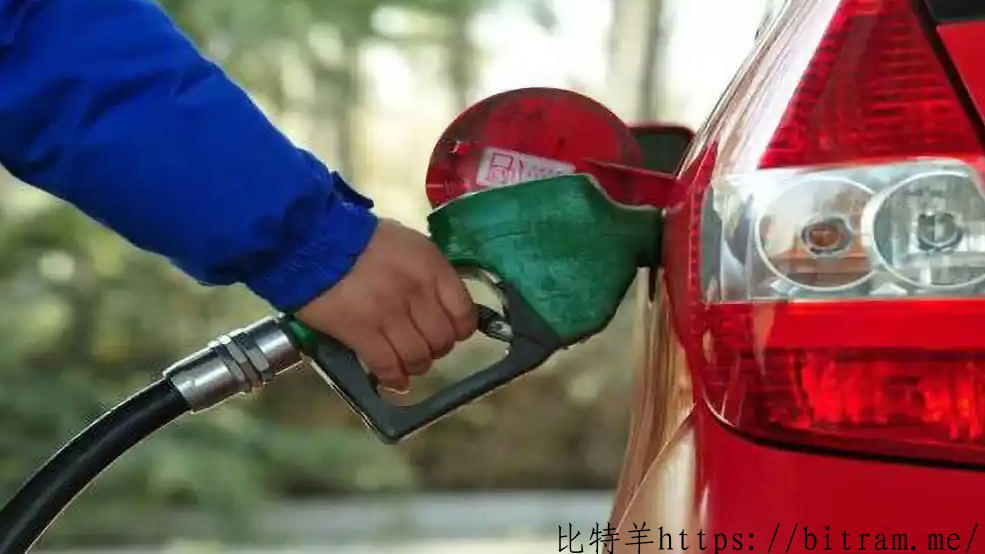
随着国际原油市场持续波动,国内成品油价格也再次迎来上调节点。3月23日24时,新一轮成品油调价窗口正式开启,预计汽油、柴油价格每吨上调幅度约为2000元,这也是2025年以来国内油价的第五次上涨,并将刷新年内单次调价的最大涨幅纪录。
对于普通私家车主而言,这次调价的感受将相当直观。以常见的70升油箱为例,加满一箱油的费用将比此前多出约106元。这意味着,日常通勤、自驾出行的用车成本将明显上升,对于用车频繁的家庭来说,每月油费支出的增加不可小觑。
五连涨背后:油价为何持续走高?
国内成品油定价机制与国际原油价格直接挂钩,每隔约10个工作日调整一次。近期国际油价受到多重因素推动持续攀升——地缘政治紧张局势、主要产油国的供应管控,以及全球经济复苏带动的需求回暖,共同构成了本轮油价上行的核心驱动力。在这一背景下,国内成品油价格随之水涨船高,"五连涨"的出现并非偶然,而是外部市场压力向国内终端价格传导的必然结果。
值得关注的是,油价上涨对物流运输成本的影响同样不可忽视。柴油价格的上调将直接推高货运、快递及农业机械的运营成本,这一压力最终可能通过供应链向消费端传导,在一定程度上影响部分商品的终端售价。因此,本次调价的连锁反应远不止于私家车加油账单的变化。
面对油价上涨,普通消费者如何应对?
在油价持续走高的趋势下,合理规划用车习惯成为降低出行成本的现实选择:
- 提前加油:在调价窗口开启前加满油箱,可锁定当前较低价格
- 关注95号与92号汽油的差价:按车辆实际需求选择合适标号,避免不必要的升级消费
- 减少急加速、怠速等高耗油驾驶行为,提升燃油使用效率
- 关注新能源汽车置换政策:油价持续高位也使得混动、纯电车型的综合用车成本优势更加突出
总体来看,2025年油价五连涨标志着国内能源消费成本正在进入一个新的阶段。无论是个人出行预算还是企业运营成本,都需要对这一变化保持足够的敏感与应对准备。在国际油价走势尚不明朗的情况下,后续调价窗口是否延续涨势,仍有待持续关注。
China Fuel Price Hike No.5 in 2025: Filling a Tank Will Cost You ~106 Yuan More After March 23 Adjustment
As international crude oil markets continue to fluctuate, China's domestic refined fuel prices are set for another upward adjustment. At midnight on March 23, a new pricing window opens for domestic gasoline and diesel, with both expected to rise by approximately 2,000 yuan per ton. This marks the fifth consecutive price increase in 2025 — and is projected to be the largest single adjustment of the year so far.
For everyday drivers, the impact will be felt immediately at the pump. Based on a standard 70-liter fuel tank, filling up will cost roughly 106 yuan more than before. That translates to noticeably higher expenses for daily commutes and road trips, and for households that drive frequently, the monthly fuel bill could climb by a meaningful amount.
Why Has Fuel Been Rising Five Times in a Row?
China's domestic fuel pricing mechanism is directly tied to international crude oil benchmarks and is reviewed approximately every ten working days. Several converging factors have been pushing global oil prices higher in recent weeks — ongoing geopolitical tensions, supply controls by major oil-producing nations, and a rebound in global energy demand as economies recover. These forces together form the core driver behind this latest round of increases. The fifth consecutive hike is not a coincidence; it reflects the systematic pass-through of external market pressure into domestic retail fuel prices.
It's also worth noting that rising diesel prices carry significant implications for logistics and transportation costs. Higher diesel prices directly increase operating expenses for freight carriers, courier services, and agricultural machinery — pressures that may eventually filter through supply chains and nudge up the retail prices of certain goods. The ripple effects of this adjustment extend well beyond what individual drivers pay at the gas station.
How Can Consumers Respond to Rising Fuel Costs?
With fuel prices trending upward, smart driving and spending habits can help offset some of the impact:
- Fill up before the pricing window opens to lock in the current lower rate
- Choose the right fuel grade for your vehicle — don't automatically opt for premium (95-octane) if your car runs fine on regular (92-octane)
- Avoid aggressive acceleration and prolonged idling to improve fuel efficiency
- Consider the growing cost advantage of new energy vehicles — sustained high fuel prices make hybrid and electric options increasingly attractive from a total cost-of-ownership perspective
In summary, China's fifth consecutive fuel price hike in 2025 signals that domestic energy costs are entering a new phase. Whether you're managing a personal travel budget or running a business fleet, the continued rise in fuel prices demands attention and proactive planning. With the trajectory of international oil prices still uncertain, whether the next pricing window brings yet another increase remains a key question worth watching.
发表评论