退市近两年的进口头孢呋辛酯涨至两千元,谁在炒药?专家:国产仿制药完全可替代,无需囤货

进口抗菌药西力欣(头孢呋辛酯片)自2024年退出中国市场后,电商价格从30元飙升至最高2000元。本文分析涨价背后的"黄牛"炒作机制、GSK退市原因,以及国内24个仿制药批文可充分替代原研药的现实,专家建议消费者无需囤货,通过正规渠道购药。
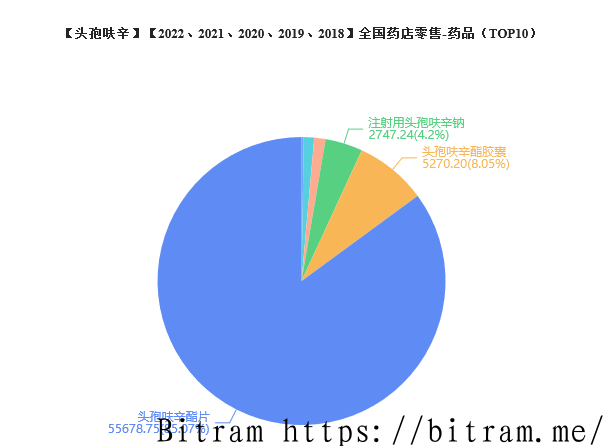
曾经在药店随手可得的进口抗菌药西力欣,如今在电商平台上被炒到每盒2000元——而它的原价,不过30多元。这款由跨国药企GSK生产的头孢呋辛酯片,自2024年7月起正式停止向中国市场供货,却在停供将近两年后,迎来了一轮离奇的价格爆炒。
GSK方面已正式确认,基于全球产品策略调整,公司在终止与国内合作伙伴的商业协议后,不再向中国供应西力欣片剂,现有渠道只能消化此前的存量库存。部分电商平台上标注"2026年6月过期"的产品,正是这批库存的最后流转。值得注意的是,早在2025年底,西力欣的电商价格就已攀升至四五百元,而短短数月间再度翻涨数倍,涨价曲线明显异常。
退市不等于无药可用:24个国产批文在场
西力欣退市,在一些消费者眼中似乎意味着"这种药没了",但现实并非如此。国家药监局数据库显示,头孢呋辛酯片目前共有24个批准文号,生产企业涵盖联邦制药、国药致君、倍特药业等主流国内药企。
这一品种早在2018年就被纳入"4+7"城市药品集采,中标价低至6元左右,后续联盟集采中标价更是压低至4至6元区间。临床专家也明确表示,国产头孢呋辛酯仿制药在有效性、安全性及副作用方面与原研药无明显差异,可以充分替代西力欣。
北京佑安医院感染科主任医师指出,目前国产有多款质优价廉的仿制药可替代西力欣,不建议消费者囤货。
是谁在炒高药价?监管才是关键
类似的炒药现象并非首次出现。2025年,治疗甲状腺功能减退的雷替斯(左甲状腺素钠)也曾从约30元被炒至上百元,彼时雷替斯甚至并非原研药,足以说明炒作逻辑并不完全取决于药品本身的不可替代性,而是利用大众对进口药、原研药的品牌信任制造恐慌,配合人为控货、囤积居奇来拉升价格。
背后的操盘者,大概率是惯于在药品信息差中套利的"黄牛"群体。他们瞄准退市消息、停供通知,精准触发部分价格不敏感患者的囤药焦虑,从而在二级市场完成价格收割。
- 消费者层面:抗菌药属于处方药,应在医生指导下使用,不宜自行高价囤积
- 替代方案层面:国产头孢呋辛酯片、以及其他口服头孢类抗菌药均可满足临床需求
- 监管层面:打击药品价格恶意炒作,仍需监管部门的主动介入与持续跟进
进口品牌药退市是全球跨国药企在华业务调整的常见结果,背后是医保集采压价、市场竞争加剧的现实。西力欣的故事,既是一次商业撤退,也是一堂关于药品信息透明与市场监管的公开课。 对普通消费者而言,理性看待品牌药退市、信任经临床验证的国产替代药,才是应对此类事件最务实的态度。
Withdrawn Imported Cefuroxime Axetil Surges to $275 Per Box: Who's Behind the Price Spike and Why You Shouldn't Stockpile
A once-common imported antibiotic has turned into a hot commodity on Chinese e-commerce platforms — with single boxes of Zinnat (cefuroxime axetil tablets, branded by GSK) now selling for as much as 2,000 yuan, compared to an original retail price of just over 30 yuan. The drug officially stopped being supplied to the Chinese market in July 2024, yet nearly two years after its withdrawal, prices have skyrocketed in what experts are calling a textbook case of pharmaceutical speculation.
GSK has officially confirmed that, following a global product strategy realignment, it terminated its commercial partnership with domestic distributors and ceased supplying Zinnat tablets to China. Remaining channels can only sell off pre-existing inventory — some of which on e-commerce platforms is labeled with a June 2026 expiration date. Notably, Zinnat's online price had already climbed to 400–500 yuan by late 2025, only to multiply several times over within a few months, revealing a suspiciously sharp price trajectory.
Withdrawal Doesn't Mean Unavailability: 24 Domestic Approvals on the Market
To some consumers, Zinnat's withdrawal implies the drug is simply "gone" — but that's far from the truth. According to China's National Medical Products Administration (NMPA) database, cefuroxime axetil tablets currently hold 24 approved registration numbers, with manufacturers including established domestic pharmaceutical companies such as Livzon Pharmaceutical, Sinopharm Zhijun, and Beite Pharma.
The drug was included in China's "4+7" centralized drug procurement pilot as early as 2018, with a winning bid price of around 6 yuan per box. Subsequent inter-regional alliance procurement rounds pushed prices even lower, to the 4–6 yuan range. Clinical experts have clearly stated that domestically produced generic cefuroxime axetil shows no significant differences from the original branded drug in terms of efficacy, safety, or side effects.
A senior infectious disease physician at Beijing You'an Hospital stated that multiple high-quality, affordable generic alternatives to Zinnat are currently available, and strongly advised against stockpiling.
Who's Driving the Price Surge? Regulation Is the Real Answer
This isn't the first time a branded pharmaceutical product has been caught in a speculative frenzy. In 2025, Euthyrox (levothyroxine sodium), used to treat hypothyroidism, was similarly marked up from around 30 yuan to over 100 yuan — even though it was never technically a "branded originator" drug. This illustrates that speculation doesn't necessarily hinge on a drug's irreplaceability, but rather on exploiting public trust in imported or branded medications to manufacture anxiety, combined with artificial supply control to inflate prices.
The likely orchestrators are scalpers who profit from information asymmetry in pharmaceutical markets. By capitalizing on withdrawal announcements and supply halt notices, they trigger stockpiling panic among price-insensitive patients, enabling them to extract outsized returns in secondary markets.
- For consumers: Antibiotics are prescription drugs and should only be used under medical supervision — panic-buying at inflated prices is both unnecessary and inadvisable
- For alternatives: Domestic generic cefuroxime axetil and other oral cephalosporin antibiotics are fully capable of meeting clinical needs
- For regulators: Proactive and sustained intervention remains essential to curbing malicious drug price manipulation
The withdrawal of imported branded drugs is an increasingly common outcome of multinational pharmaceutical companies reassessing their China strategies — driven by centralized procurement pricing pressure and intensifying market competition. The Zinnat episode is both a commercial retreat and a public lesson in pharmaceutical transparency and market oversight. For everyday consumers, the most practical response is to trust clinically validated domestic generics and resist the fear-driven allure of stockpiling disappearing brand-name drugs.
发表评论