霍尔木兹海峡局势升温:专家警告这一战略咽喉或左右中东冲突走势

霍尔木兹海峡作为全球最重要的能源运输通道,其局势走向正深刻影响中东冲突格局。专家指出,一旦该海峡遭到封锁或军事对峙升级,将对全球石油供应、国际油价及地区安全产生连锁冲击。本文深度分析霍尔木兹海峡的战略价值与当前紧张态势。
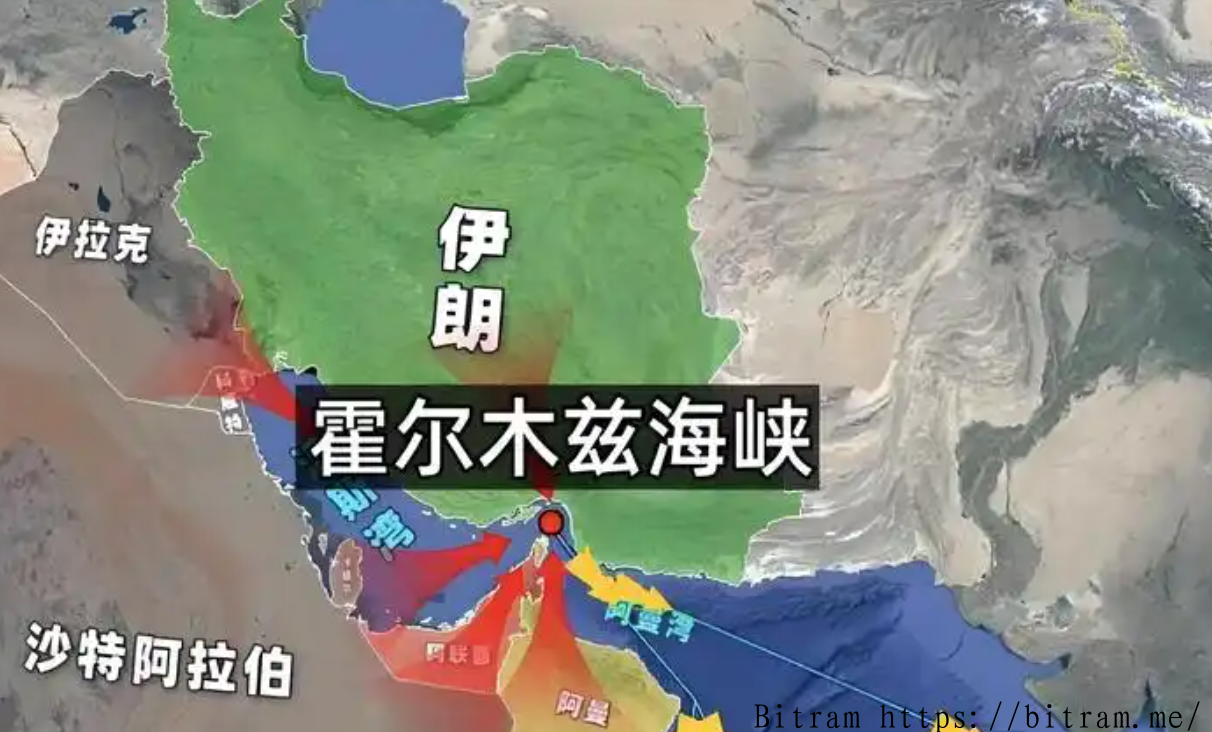
在当前中东局势持续动荡的背景下,霍尔木兹海峡正成为各方博弈的核心焦点。多位国际安全领域专家明确指出,这条连接波斯湾与阿拉伯海的狭长水道,不仅是全球石油贸易的"生命线",更是决定本轮中东冲突走势的关键变量。霍尔木兹海峡局势的任何风吹草动,都可能在能源市场与地缘政治层面引发蝴蝶效应。
全球约20%的石油贸易量、以及大量液化天然气通过霍尔木兹海峡完成运输,日均过境原油约1700万桶。
为何霍尔木兹海峡如此关键
霍尔木兹海峡最窄处仅约33公里,却承载着无可替代的战略重量。沙特阿拉伯、伊朗、伊拉克、科威特、阿联酋等主要产油国的出口原油,绝大部分须途经此处才能抵达亚洲、欧洲和北美市场。一旦该海峡发生军事封锁或武装冲突,全球能源供应链将面临断裂风险,国际油价可能在短期内出现剧烈波动。
对于高度依赖中东原油进口的中国、日本、韩国及印度而言,霍尔木兹海峡的畅通与否直接关系到能源安全战略的根基。这也解释了为何每当该地区紧张局势升级,亚洲能源进口国总会第一时间提升警戒级别,并着手评估替代能源运输路线的可行性。
当前紧张态势与各方博弈
近期,伊朗多次发出警告,表示若其核心利益遭受威胁,不排除采取措施影响海峡通航。与此同时,美国海军在波斯湾及周边海域维持着高强度的军事存在,以色列与伊朗之间的直接对抗风险也在持续攀升。多重压力叠加之下,霍尔木兹海峡正处于近年来最为复杂的博弈格局之中。
专家分析认为,各方目前仍存在避免局势失控的理性动机:
- 伊朗在经济制裁压力下,需要维持有限的石油出口渠道
- 海湾产油国依赖海峡出口维系财政收入,不愿见到通道中断
- 美国及西方盟国将保障航运自由视为核心战略利益
- 亚洲能源消费国则持续在外交斡旋中扮演缓冲角色
然而,理性算计并不总能阻止意外冲突的爆发。误判与擦枪走火的风险,始终是悬在霍尔木兹海峡上空的达摩克利斯之剑。
冲突走势的关键观察窗口
分析人士建议,未来数周内需重点关注几个指标:伊朗在核谈判上的立场变化、美军航母战斗群的部署动向、以及海湾合作委员会成员国的外交表态。这些信号将在很大程度上决定霍尔木兹海峡能否在高压之下维持相对稳定。
霍尔木兹海峡的战略地位决定了,它不仅是一道地理意义上的水道,更是检验当前中东冲突烈度与各大势力战略克制能力的一把标尺。 其走向,值得全球能源市场与地缘政治观察者持续密切追踪。
Strait of Hormuz Tensions Rise: Experts Warn This Strategic Chokepoint Could Determine the Course of Middle East Conflict
Against the backdrop of ongoing turmoil across the Middle East, the Strait of Hormuz has emerged as the central flashpoint in a multi-party power struggle. Leading international security experts have made it clear that this narrow waterway connecting the Persian Gulf to the Arabian Sea is not only the "lifeline" of global oil trade, but also a decisive variable shaping the trajectory of the current Middle East conflict. Any significant development in the Strait of Hormuz carries the potential to trigger a butterfly effect across both energy markets and the broader geopolitical landscape.
Approximately 20% of global oil trade and significant volumes of liquefied natural gas pass through the Strait of Hormuz, with an average of around 17 million barrels of crude oil transiting daily.
Why the Strait of Hormuz Is So Critical
At its narrowest point, the Strait of Hormuz spans just 33 kilometers — yet it bears irreplaceable strategic weight. The overwhelming majority of crude oil exports from major producers including Saudi Arabia, Iran, Iraq, Kuwait, and the UAE must pass through this corridor to reach markets in Asia, Europe, and North America. Should a military blockade or armed conflict erupt in the strait, global energy supply chains would face the risk of rupture, with international oil prices potentially spiking sharply in the short term.
For China, Japan, South Korea, and India — nations heavily dependent on Middle Eastern crude imports — the free flow of traffic through the Strait of Hormuz is directly tied to the foundations of their energy security strategies. This explains why, whenever regional tensions escalate, Asian energy-importing nations are among the first to raise alert levels and begin assessing the feasibility of alternative energy transport routes.
Current Tensions and the Competing Interests at Play
In recent months, Iran has repeatedly warned that it would not rule out measures to disrupt passage through the strait should its core interests come under threat. Meanwhile, the U.S. Navy has maintained a high-tempo military presence in and around the Persian Gulf, and the risk of direct confrontation between Israel and Iran continues to climb. With multiple pressure points converging, the Strait of Hormuz finds itself navigating one of its most complex strategic environments in recent memory.
Experts suggest that rational incentives to prevent a complete loss of control still exist among all parties:
- Iran, facing the pressure of economic sanctions, needs to preserve limited oil export channels
- Gulf oil-producing states rely on the strait for the export revenues that sustain their budgets, and have no desire to see it closed
- The United States and its Western allies regard freedom of navigation as a core strategic interest
- Asian energy-consuming nations continue to play a moderating role through diplomatic engagement
Yet rational calculation does not always prevent accidental conflict. The risk of miscalculation and inadvertent escalation remains a sword of Damocles hanging permanently over the strait.
Key Indicators to Watch
Analysts recommend closely monitoring several signals in the weeks ahead: shifts in Iran's position on nuclear negotiations, movements of U.S. carrier strike groups, and the diplomatic signals from Gulf Cooperation Council member states. These indicators will go a long way toward determining whether the Strait of Hormuz can maintain relative stability under sustained pressure.
The Strait of Hormuz's strategic importance means it functions as far more than a geographical waterway — it is a barometer measuring the intensity of the current Middle East conflict and the strategic restraint of the major powers involved. Its trajectory deserves close and continuous attention from global energy markets and geopolitical observers alike.
发表评论