成品油价格临时调控措施出台:为何此时出手,保障了哪些群体利益?

国家发展改革委近期对成品油价格实施临时调控措施,旨在缓解国际油价异常波动对国内市场的冲击,减轻下游企业和居民用油负担。本文深度解析此次调控的背景、意义及其对国内经济平稳运行的重要作用。
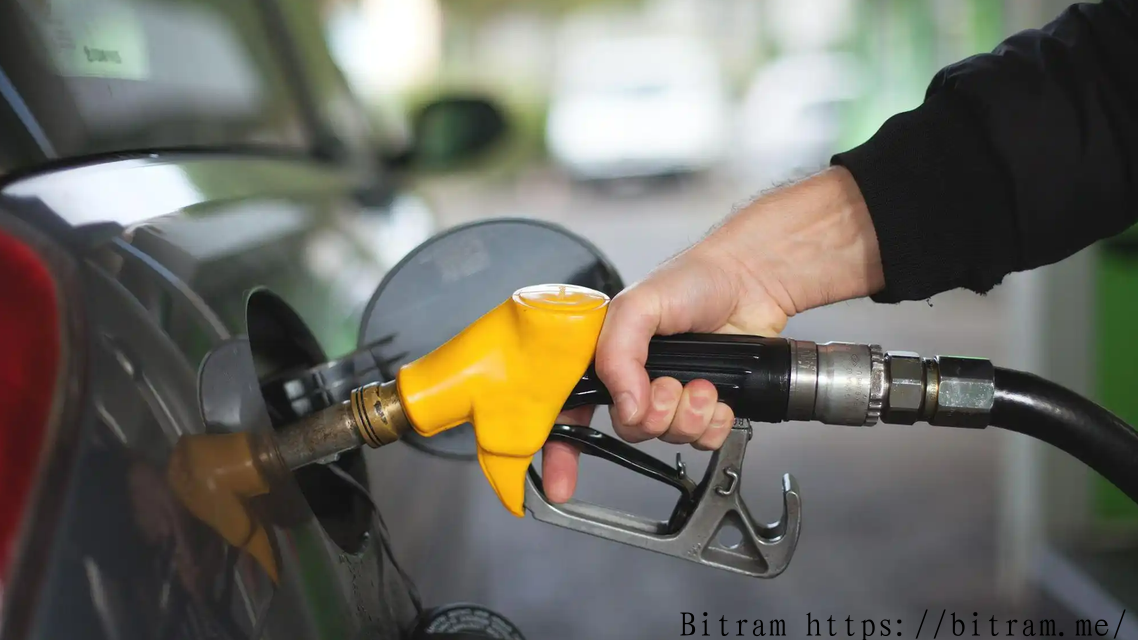
近期,国际油价波动加剧,国内成品油市场随之承压。为应对这一局面,国家发展改革委宣布对成品油价格实施临时调控措施,在市场机制之外引入政策"稳定器",引发广泛关注。这一举措的出台,背后有着清晰的政策逻辑和现实考量。
为何要对成品油价格进行临时调控?
成品油价格牵一发而动全身。从运输物流到农业生产,从化工原料到日常出行,油价的每一次波动都会沿产业链向下传导,最终体现在企业成本和居民生活支出上。当国际市场出现超出正常范围的异常波动时,单靠市场自我调节往往存在时滞,容易对实体经济造成阶段性冲击。
临时调控的核心逻辑:在市场失灵或异常波动时期,通过政策干预为下游用户争取缓冲空间,避免成本压力的集中传导。
此次调控并非常态化的价格管制,而是针对特定市场环境下的阶段性应急响应。这种"有为政府"与"有效市场"相结合的调控思路,是中国能源价格管理体系的重要特征之一。
哪些群体将直接受益?
从受益范围来看,此次成品油临时调控措施主要惠及以下几类群体:
- 物流运输行业:柴油是货运车辆的主要能源,油价下行直接降低运营成本,有助于稳定物价链条
- 农业生产用户:农机作业、灌溉排涝等环节高度依赖成品油,调控有助于保障农业生产成本可控
- 中小企业主:对于用油成本占比较高的制造和加工企业,缓解燃料支出压力具有实质意义
- 普通消费者:出行成本的相对稳定,也间接缓解了居民生活压力
在成品油价格调控政策效果的评估维度上,稳物价、稳预期、稳信心,三者缺一不可。
调控背后的制度逻辑
值得注意的是,这一调控措施不仅是一次价格层面的技术性操作,更折射出宏观调控体系对民生问题的优先关注。在国际能源市场地缘风险上升、大宗商品价格剧烈波动的背景下,能够快速启动价格保护机制,体现了政策工具箱的灵活性与响应效率。
当然,临时调控终究是权宜之举。从长远来看,如何提升国内能源自给能力、完善成品油市场化定价机制,仍是更根本的结构性课题。短期保护与长期改革之间的平衡,将持续考验政策制定者的智慧。
总结来看,此次成品油价格临时调控是中国应对外部市场冲击、保障国内经济平稳运行的主动作为,对减轻下游用户负担、维护产业链稳定具有积极意义,也再次印证了宏观调控在关键时刻"兜底"的重要价值。
China's Temporary Oil Price Controls Explained: Why Now, and Who Benefits?
As international oil prices became increasingly volatile, pressure mounted on China's domestic refined oil market. In response, the National Development and Reform Commission (NDRC) announced temporary price controls on refined oil products, introducing a policy "stabilizer" alongside normal market mechanisms. The move has drawn widespread attention — and understanding why it was taken requires looking at both the policy rationale and the practical realities at play.
Why Implement Temporary Controls on Refined Oil Prices?
Refined oil prices are deeply interconnected with the broader economy. From logistics and transportation to agricultural production, from chemical feedstocks to everyday commuting, every swing in oil prices ripples down the supply chain, ultimately landing on business operating costs and household budgets. When international markets experience abnormal volatility beyond a normal range, market self-correction often lags, leaving the real economy vulnerable to concentrated, short-term shocks.
The core logic of temporary price controls: during periods of market dysfunction or extreme volatility, policy intervention creates a buffer for downstream users, preventing a sudden and concentrated pass-through of cost pressures.
This is not a permanent price cap, but rather a phased emergency response to a specific market environment. This approach — combining an active government role with an effective market — is a defining feature of China's energy price management system.
Who Benefits Most?
In terms of scope, the temporary refined oil price control measures are expected to directly benefit several key groups:
- Logistics and transportation: Diesel is the lifeblood of freight operations; lower fuel costs directly reduce operating expenses and help stabilize the broader price chain
- Agricultural users: Farm machinery, irrigation, and drainage operations are heavily dependent on refined fuels, making cost control critical for agricultural productivity
- Small and medium-sized enterprises: For manufacturers and processors where fuel costs represent a significant share of expenses, easing the burden has tangible value
- General consumers: More stable transportation costs indirectly relieve financial pressure on everyday households
When evaluating the effectiveness of refined oil price control policies, three factors are inseparable: stabilizing prices, stabilizing expectations, and stabilizing confidence.
The Institutional Logic Behind the Controls
It's worth noting that this measure is more than a technical adjustment at the price level — it reflects the macroeconomic management system's prioritization of people's livelihoods. Against a backdrop of rising geopolitical risks in global energy markets and sharp swings in commodity prices, the ability to swiftly activate price protection mechanisms demonstrates both the flexibility and the responsiveness of China's policy toolkit.
That said, temporary controls are ultimately a stopgap. In the longer run, increasing domestic energy self-sufficiency and refining market-based pricing mechanisms for refined oil products remain the more fundamental structural challenges. Striking the right balance between short-term protection and long-term market reform will continue to test policymakers' judgment.
In summary, China's temporary refined oil price controls represent a proactive step to shield the domestic economy from external market shocks. The measures carry positive significance for easing the cost burden on downstream users and maintaining supply chain stability — and they serve as a reminder of why macro-level intervention remains a critical tool when market conditions deteriorate sharply.
发表评论