沪指单日暴跌3.63%险守3800点,A股市场多重压力下该如何应对?

沪指单日大跌3.63%,险守3800点关键支撑位,A股市场承压明显。本文分析此次下跌的核心诱因、主要板块表现及后市研判,帮助投资者理性看待市场波动,把握潜在机会与风险。
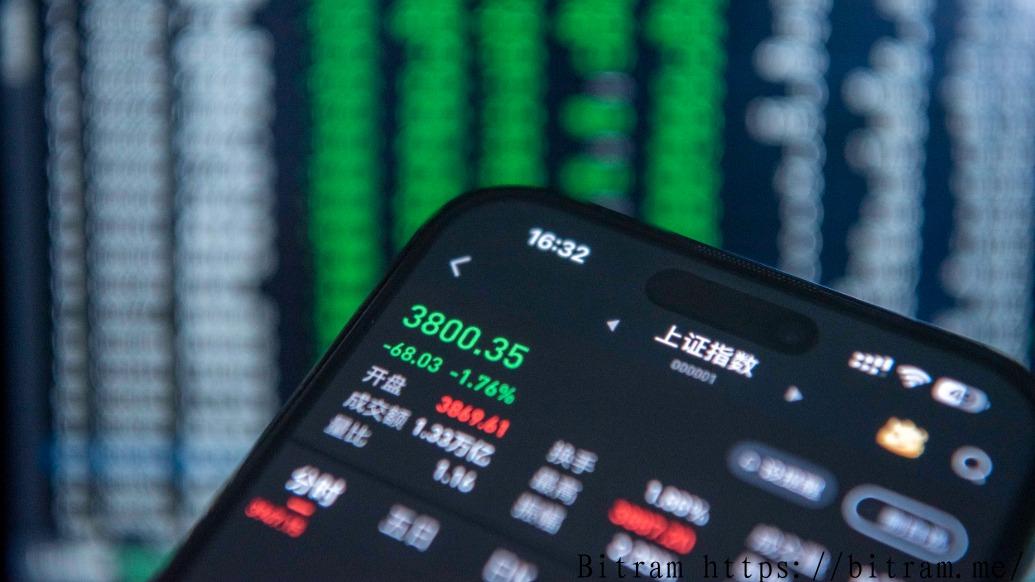
沪指单日大跌3.63%,盘中一度逼近3800点整数关口,最终险守这一重要心理支撑位。这是近期A股市场波动加剧的一个缩影——市场情绪的快速切换,叠加内外部多重不确定因素,令不少投资者措手不及。
此次沪指跌幅之大、节奏之急,引发市场广泛关注。3800点不仅是技术层面的关键支撑区域,更是当前多空双方博弈的焦点所在。一旦有效跌破,可能触发更大规模的止损盘,从而形成连锁反应。
此轮下跌的核心驱动因素
综合来看,本次大跌并非单一原因所致,而是多重压力集中释放的结果:
- 外部环境扰动:全球主要市场风险偏好下降,海外资金波动对A股情绪形成传导效应
- 获利盘集中兑现:前期指数累积一定涨幅后,部分资金选择在高位获利了结,加剧了抛压
- 政策预期边际收窄:市场对增量政策的期待短期内未能得到明确兑现,情绪有所降温
- 成交量异动:放量下跌往往意味着主力资金存在明显出逃迹象,需要密切关注后续资金流向
值得注意的是,大盘单日跌幅超过3%并不罕见,但若跌破关键支撑后缺乏有效承接,则需警惕短期趋势的进一步走弱。
后市怎么看?投资者如何应对
从A股市场历史规律来看,单日极端下跌往往伴随着短期超卖信号,情绪化抛售之后存在技术性反弹的可能。但反弹的持续性,仍取决于基本面能否提供有效支撑。
当前投资者可重点关注以下几点:
- 仓位管理优先:市场趋势未明朗前,控制仓位、降低波动敞口比追涨杀跌更为重要
- 关注防御性板块:消费、医疗、公用事业等低估值防御板块,在震荡市中往往具备相对抗跌属性
- 跟踪政策动向:财政与货币政策的边际变化,是判断A股中期走势的重要参考指标
- 避免情绪化操作:急跌之后非理性割肉,往往是散户亏损的重要原因之一
市场的短期剧烈波动固然令人不安,但对于有中长期布局意愿的投资者而言,极端行情也可能孕育机会。沪指能否稳住3800点并重拾升势,仍需观察后续成交量配合及政策面是否有新的积极信号释放。保持理性、做好风险管理,是当下最务实的投资策略。
Shanghai Composite Plunges 3.63%, Barely Holds 3800 as A-Share Market Faces Multiple Headwinds
The Shanghai Composite Index tumbled 3.63% in a single trading session, briefly threatening to break below the psychologically critical 3,800-point level before managing to hold on by a slim margin. This sharp selloff is a stark reflection of the heightened volatility gripping China's A-share market — a rapid shift in market sentiment, compounded by a confluence of domestic and external uncertainties, caught many investors off guard.
The speed and magnitude of the decline drew widespread attention. The 3,800-point level is not only a key technical support zone but also the current battleground between bulls and bears. A decisive break below this threshold could trigger a wave of stop-loss orders, potentially setting off a chain reaction of further selling.
What Drove This Selloff?
This was not the result of any single catalyst. Rather, it reflects the simultaneous release of multiple pressure points:
- Global risk-off sentiment: A decline in risk appetite across major international markets transmitted negative pressure onto A-share investor confidence
- Profit-taking after recent gains: Following a period of index appreciation, some investors chose to lock in profits at elevated levels, amplifying selling pressure
- Fading policy expectations: The market's anticipation of additional stimulus measures was not met with clear near-term confirmation, dampening enthusiasm
- Unusual volume patterns: A high-volume selloff often signals meaningful institutional outflows — a trend worth monitoring closely in the sessions ahead
It's worth noting that a single-day decline exceeding 3% is not unprecedented. However, if the index fails to find meaningful support after breaking key levels, the risk of a more prolonged short-term downtrend rises considerably.
What's the Outlook? How Should Investors Respond?
Looking at historical patterns in the A-share market, extreme single-day drops are frequently accompanied by short-term oversold signals, and panic-driven selloffs can often be followed by technical rebounds. That said, the durability of any recovery will ultimately depend on whether fundamentals can provide a solid foundation.
Investors would do well to focus on the following:
- Prioritize position management: When the market trend is unclear, controlling exposure and reducing volatility risk is more prudent than chasing moves in either direction
- Rotate toward defensive sectors: Consumer staples, healthcare, and utilities — sectors with low valuations and stable earnings — tend to show relative resilience during turbulent markets
- Monitor policy signals closely: Incremental shifts in fiscal and monetary policy remain the most critical variables for assessing the medium-term direction of the A-share market
- Avoid emotionally-driven decisions: Panic-selling into a sharp decline is one of the most common — and costly — mistakes retail investors make
While violent short-term swings are undeniably unsettling, for investors with a medium-to-long-term perspective, extreme market conditions can also create opportunity. Whether the Shanghai Composite can stabilize above 3,800 and resume an upward trajectory will depend on a combination of volume confirmation and whether fresh positive policy signals emerge. Staying rational and maintaining disciplined risk management remains the most pragmatic approach in the current environment.
发表评论