国家发改委首次启动成品油临时调控:油价涨幅减半,保障经济平稳运行

国家发展改革委宣布对国内成品油价格实施临时调控措施,这是2013年现行定价机制建立以来的首次干预。受美以伊冲突推动国际油价大幅上涨影响,汽油、柴油实际涨幅约为机制测算值的一半,旨在减轻下游用户负担,维护经济平稳运行与社会民生稳定。
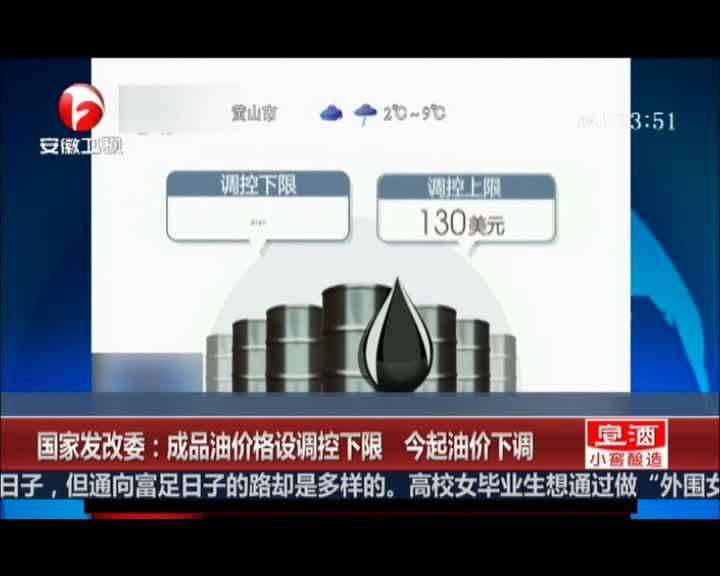
国际原油价格近期因地缘政治紧张局势急剧攀升,国家发展改革委随即于3月23日宣布,对国内成品油价格启动临时调控措施。这是自2013年现行成品油定价机制落地以来,政府首次主动介入价格调整窗口,释放出清晰的政策信号:在外部冲击过于剧烈时,市场化定价机制并非"铁板一块",宏观调控工具依然随时可用。
此轮国际油价上涨的直接导火索,是美以伊冲突的持续升级,地缘风险溢价推动原油期货快速走高。按照现行"10个工作日调价"机制,自3月9日上次调价后,国内汽油、柴油每吨本应分别上调2205元和2120元。然而,经过临时调控后,实际涨幅被压缩至1160元和1115元,相当于将理论涨价幅度"打了五折"。
为什么选择"临时调控"而非冻结油价?
值得关注的是,此次并非全面冻结价格,而是在保留原有定价框架的前提下,对涨幅进行定向压缩。这一操作方式有其内在逻辑:
- 维护市场预期:完全不涨价可能引发囤货抢购或市场供应失衡
- 兼顾上游企业利益:适度上调保留了炼油企业的部分利润空间,有助于稳定供应
- 针对异常波动:临时性定性意味着当国际油价回落时,机制仍将正常运转
对于物流、运输、农业等成品油消费密集行业而言,这半幅的涨价减免意味着真实的成本缓冲。在当前全球通胀压力尚未完全消退的背景下,能源价格的传导效应不可低估,此举对抑制国内PPI过快上行同样具有积极意义。
后续监管与市场秩序
发改委同时明确,将督促成品油生产和销售企业保障市场稳定供应,并联合相关部门加强价格执法,对借机哄抬油价、不执行国家定价政策的违规行为予以严厉查处。这表明本次调控并非仅停留在"调数字"层面,配套的市场监管机制同步跟进,以防止流通环节出现价格扭曲。
从更长的时间维度来看,此次干预是对"市场化定价 + 政府调控兜底"双轨并行逻辑的一次实践。在正常情形下,成品油价格随国际油价波动自动调整;一旦外部冲击超出经济体的承受阈值,调控工具便会介入托底。这种弹性机制设计,或许正是中国能源价格体系在应对外部不确定性时的核心竞争力所在。
综合来看,国家发改委此次对成品油价格实施临时调控,是在国际油价异常大涨背景下保障国内经济平稳运行的务实之举,涨幅减半的政策力度超出市场普遍预期,短期内将有效缓解下游行业及居民用油成本压力。
China's NDRC Implements Emergency Oil Price Controls for First Time Since 2013: Fuel Hike Cut in Half
As international crude oil prices surged sharply amid escalating geopolitical tensions, China's National Development and Reform Commission (NDRC) announced on March 23 the activation of temporary price control measures for domestic refined oil products. This marks the first time since the current pricing mechanism was established in 2013 that the government has stepped in to override an automatic price adjustment — a clear policy signal that market-based pricing has its limits when external shocks become too severe.
The immediate trigger behind the surge in global crude prices was the intensifying conflict involving the United States, Israel, and Iran, which pushed geopolitical risk premiums sharply higher in oil futures markets. Under the existing mechanism, which triggers price reviews every 10 working days, domestic gasoline and diesel prices were set to rise by 2,205 yuan and 2,120 yuan per ton respectively following the last adjustment on March 9. After the temporary controls took effect, however, the actual increases were capped at 1,160 yuan and 1,115 yuan per ton — roughly half of what the formula would have dictated.
Why a "Temporary Cap" Rather Than a Full Price Freeze?
Notably, the NDRC did not opt for a complete price freeze. Instead, it chose to compress the magnitude of the increase while keeping the existing pricing framework intact. This approach reflects a deliberate balancing act:
- Protecting market expectations: A zero increase could trigger hoarding or supply imbalances in downstream markets
- Preserving upstream viability: A partial price hike maintains some profit margin for refiners, supporting supply stability
- Targeting abnormal volatility: The "temporary" designation signals that the mechanism will resume normal operation once international prices normalize
For fuel-intensive sectors such as logistics, transportation, and agriculture, this halved increase represents real and immediate cost relief. Against a backdrop of persistent global inflationary pressure, the pass-through effects of energy prices should not be underestimated — containing this adjustment also helps moderate any upward momentum in China's producer price index (PPI).
Market Oversight and Regulatory Follow-Through
The NDRC also signaled that it will direct refined oil producers and distributors to ensure stable market supply, while coordinating with relevant authorities to strengthen price enforcement. Businesses found to be gouging consumers or violating national pricing policies will face strict penalties. This makes clear that the intervention goes beyond adjusting a number on a spreadsheet — complementary regulatory enforcement is being deployed in parallel to prevent price distortions from emerging in the distribution chain.
Taking a broader perspective, this episode is a real-world demonstration of China's dual-track energy pricing logic: market-driven adjustments under normal conditions, with government controls available as a backstop. When external shocks exceed a certain threshold, the regulatory toolkit kicks in. This built-in flexibility may well be one of the core strengths of China's energy pricing architecture in navigating an increasingly volatile global environment.
In summary, the NDRC's temporary price controls on refined oil products represent a pragmatic response to an abnormal spike in international crude prices. The decision to cut the prescribed increase by roughly half exceeded most market expectations and will provide meaningful near-term relief to downstream industries and consumers facing rising fuel costs.
发表评论