特朗普宣布暂停打击伊朗能源设施5天,美伊对话取得积极进展

美国总统特朗普宣布,美伊双方近日展开富有成效的对话,并已下令暂停对伊朗能源基础设施及发电厂的军事打击行动,暂停期为5天。此举被视为美伊紧张关系出现缓和信号,对话将持续至本周末,结果或影响中东地缘政治格局与全球能源市场走势。
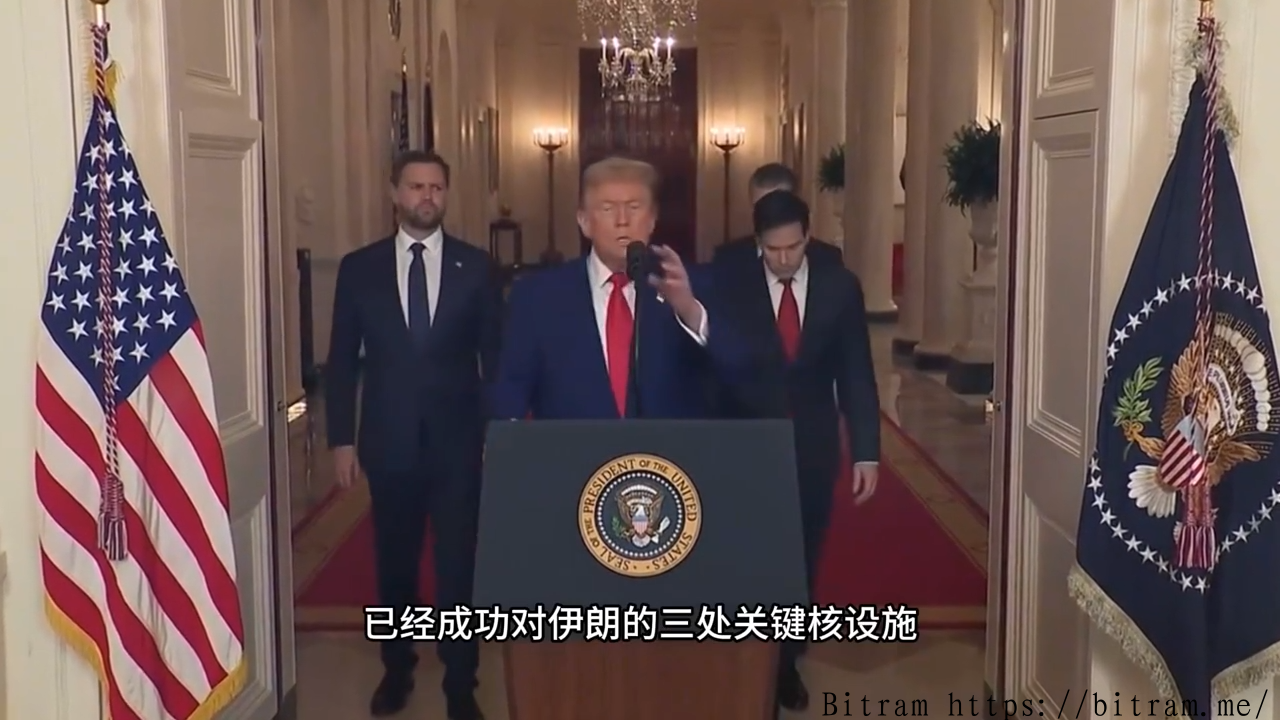
美国总统特朗普于当地时间23日通过其社交媒体平台发布声明,正式宣布美伊两国已就核心争议问题展开对话,并称过去两天的会谈"非常良好且富有成效"。作为配合谈判的重要姿态,特朗普同步下令,暂停一切针对伊朗发电厂和能源基础设施的军事打击计划,暂停期为5天,对话预计将延续至本周末。
值得注意的是,这一暂停并非无条件。特朗普明确表示,停打令的前提是"正在进行的会议和讨论取得成功"——换言之,谈判一旦破裂,打击随时可能恢复。这种"有条件暂停"的表述方式,既为外交斡旋保留了空间,也维持了对伊朗的压力态势。
能源基础设施为何成为焦点
在美伊紧张关系持续升温的背景下,伊朗能源基础设施一直是双方博弈的核心筹码之一。伊朗是全球重要的石油和天然气生产国,其能源出口是支撑国家财政的主要来源。一旦相关设施遭到打击,不仅将重创伊朗经济,还可能引发全球原油价格剧烈波动,对中东乃至全球能源供应链造成连锁冲击。
正因如此,暂停打击能源设施这一表态,在外交信号层面的分量远超一般停火声明。这意味着美国愿意将最具破坏性的选项暂时搁置,以换取谈判桌上的回报。
此次对话意味着什么
从更宏观的视角来看,此轮美伊接触发生在中东地区局势持续动荡的敏感节点。近年来,美国对伊朗的制裁与外交施压从未真正中断,而伊朗也在核计划和地区代理势力问题上持续推进。双方能够坐下来谈,本身就是一个值得关注的转变。
分析人士指出,以下几点是观察后续走势的关键:
- 谈判议题的范围:是否仅限于短期停火,还是触及核协议或制裁豁免等深层议题
- 伊朗的回应立场:德黑兰是否会发出相应的降级信号
- 周末谈判结果:若会谈顺利,5天暂停期是否会延长
目前,国际社会普遍对这一外交窗口持审慎乐观态度。毕竟,美伊之间的结构性矛盾并未消除,任何突破都需要双方在核心利益上做出实质性让步。
总体而言,特朗普此番"暂停打击换取对话"的策略,标志着美伊关系出现阶段性缓和迹象。能源设施停打令的落地与否,以及本周末谈判的最终走向,将成为判断此轮外交努力能否转化为实质性成果的重要风向标。
Trump Announces 5-Day Pause on Iran Energy Strikes as US-Iran Talks Show Progress
U.S. President Donald Trump announced on the 23rd via his social media platform that the United States and Iran have entered into direct dialogue on key issues of contention, describing the past two days of talks as "very good and productive." As a gesture of goodwill toward the negotiations, Trump simultaneously ordered a 5-day suspension of all planned military strikes against Iranian power plants and energy infrastructure, with talks expected to continue through the weekend.
Notably, this pause comes with strings attached. Trump made clear that the halt is contingent on the ongoing meetings and discussions yielding results — meaning that if talks collapse, military options could be back on the table at any moment. This "conditional pause" framing preserves diplomatic maneuvering room while keeping pressure firmly on Tehran.
Why Energy Infrastructure Is at the Center
Against the backdrop of escalating U.S.-Iran tensions, Iran's energy infrastructure has long been one of the most leveraged flashpoints in the standoff. Iran is a major global producer of oil and natural gas, with energy exports forming the backbone of its national finances. Any strike on these facilities would not only devastate the Iranian economy but could also trigger sharp volatility in global crude oil prices, sending shockwaves through Middle Eastern and international energy supply chains.
For this reason, the decision to pause strikes on energy facilities carries far greater diplomatic weight than a standard ceasefire declaration. It signals that Washington is willing to take its most destructive option off the table — at least temporarily — in exchange for progress at the negotiating table.
What This Round of Talks Really Signals
From a broader perspective, this U.S.-Iran engagement is unfolding at a particularly sensitive moment amid ongoing instability across the Middle East. U.S. sanctions and diplomatic pressure on Iran have never truly relented in recent years, while Iran has continued advancing its nuclear program and expanding its regional proxy networks. The fact that both sides are now talking is, in itself, a development worth watching closely.
Analysts say the following factors will be critical in assessing how this unfolds:
- The scope of negotiations: Whether discussions are limited to a short-term pause, or whether they touch on deeper issues such as nuclear agreements or sanctions relief
- Iran's response posture: Whether Tehran will send corresponding de-escalation signals
- Weekend outcomes: Whether the 5-day pause will be extended if talks proceed smoothly
The international community is broadly cautiously optimistic about this diplomatic window — though structural contradictions between the U.S. and Iran remain unresolved, and any genuine breakthrough would require meaningful concessions on core interests from both sides.
In summary, Trump's "pause strikes for dialogue" strategy marks a tentative sign of de-escalation in U.S.-Iran relations. Whether the energy strike suspension holds, and where this weekend's talks ultimately land, will serve as the clearest indicators of whether this round of diplomacy can translate into tangible progress.
发表评论