霍尔木兹海峡局势生变!特朗普强硬表态,黄金突破4500美元,原油单日暴跌逾4%

特朗普最新表态伊朗"已被彻底击败",美方推动包含15项条件的停火方案,霍尔木兹海峡局势牵动全球市场神经。现货黄金突破4500美元涨逾1.4%,白银涨逾2.3%,WTI原油大跌超4%,A股、中概股及美股三大指数全线承压。地缘风险与谈判预期交织,资产价格剧烈分化。
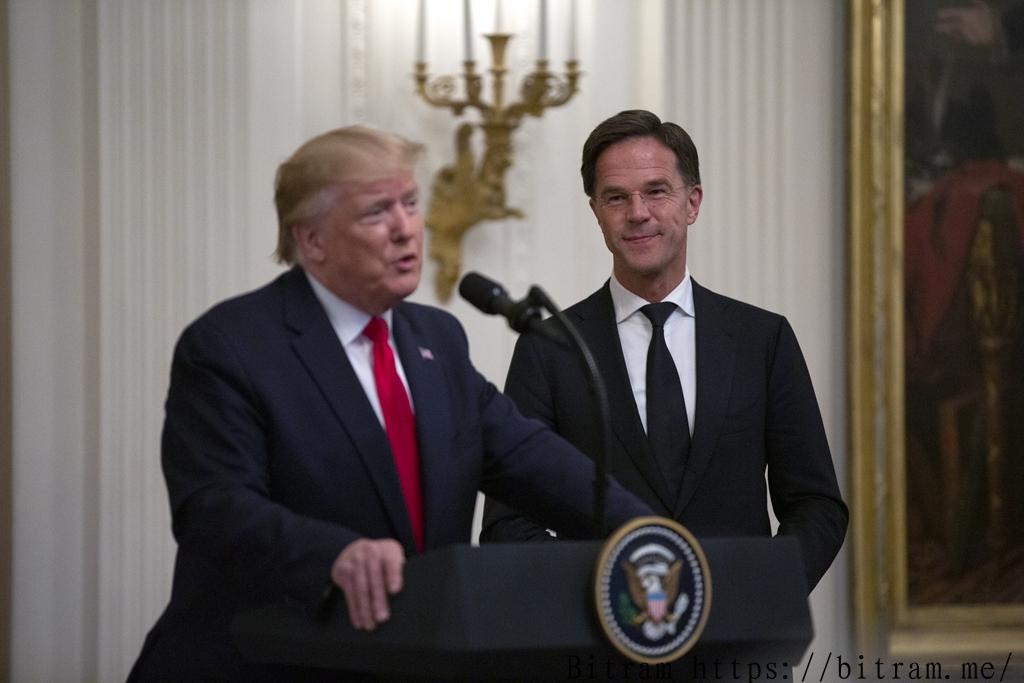
霍尔木兹海峡局势最新进展正在深刻影响全球大宗商品与金融市场走势。美国总统特朗普在白宫发表强硬声明,宣称美方在对伊行动中已"取得胜利",伊朗军事力量"已被彻底削弱",不具备有效的海军、空军及防御能力。与此同时,美方正积极推动一份包含15项核心条件的停火方案,局势发展牵动着原油、黄金、白银等核心资产的剧烈波动。
市场反应:避险情绪驱动资产大幅分化
原油市场首当其冲。 受停火谈判预期升温影响,市场对霍尔木兹海峡供应中断风险的担忧有所缓和,WTI原油开盘大幅跳水,日内跌幅超过4%,创近期单日较大跌幅。石油市场此前因地缘紧张局势积累的风险溢价正在快速回落。
与原油走势截然相反,贵金属市场强势爆发——
现货黄金单日涨幅逾1.4%,价格突破4500美元/盎司大关;现货白银涨幅超2.3%。期货市场表现更为强劲,COMEX黄金大涨近3%,COMEX白银涨幅逾4%。
黄金白银的同步拉升,折射出市场在地缘不确定性尚未完全消除背景下,对实物避险资产的持续偏好。值得关注的是,谈判结果未定、制裁解除时间表不明朗,这些因素都为贵金属价格提供了中期支撑。
谈判方案解读:条件苛刻,前景存变数
美方向伊朗提出的停火框架条件相当严苛,核心要求涵盖多个层面:
- 核能力层面:要求伊朗彻底解除现有核设施,拆除纳坦兹、伊斯法罕及福尔多等主要核点位,移交高丰度浓缩铀库存,并接受国际原子能机构(IAEA)全面核查
- 地区影响力层面:要求伊朗停止向地区盟友武装提供资金、武器及指挥支持
- 军事能力层面:限制弹道导弹的规模与射程,仅允许用于防御目的,并保证霍尔木兹海峡持续开放
作为对价,伊朗有望获得国际制裁全面解除、民用核项目获美国支持,以及废除"快速恢复制裁"机制。据悉,特朗普顾问团队正考虑先推动为期一个月的停火,以争取更多谈判空间。
股票市场方面,不确定性持续压制风险偏好。美股三大指数全线收跌,道指、标普500、纳指分别下跌0.18%、0.37%和0.84%。中概股同样承压,纳斯达克中国金龙指数跌0.43%,禾赛科技、哔哩哔哩等个股跌幅居前。A股方面,分析人士认为,随着外部地缘局势逐步明朗,A股有望从防御姿态转入进攻阶段,结构性机会值得关注。
综合来看,霍尔木兹海峡局势演变、特朗普最新表态与美伊核谈判进展,是当前影响原油、黄金、白银及全球股市的核心变量。投资者宜密切跟踪谈判结果与制裁政策动向,在资产配置上保持灵活应对。
Strait of Hormuz in Focus: Trump's Hard Line Sends Gold Past $4,500 While Oil Crashes Over 4%
The latest developments in the Strait of Hormuz are sending shockwaves through global commodity and financial markets. U.S. President Donald Trump delivered a forceful statement at the White House, declaring that America has "achieved victory" in its operations against Iran and that Iran's military has been "completely degraded," lacking effective naval, air, and defensive capabilities. Meanwhile, the U.S. is actively pushing a 15-point ceasefire framework, and the unfolding situation is driving sharp swings across oil, gold, and silver markets.
Market Reaction: Risk Sentiment Splits Assets Sharply
Oil markets bore the brunt of the news. As ceasefire negotiations gained traction, fears of a supply disruption through the Strait of Hormuz eased, sending WTI crude tumbling more than 4% at the open — one of its largest single-day drops in recent weeks. The risk premium that had built up in oil prices amid escalating geopolitical tensions is now rapidly unwinding.
Precious metals told the opposite story, staging a powerful rally:
Spot gold surged over 1.4%, breaking through the key $4,500 per ounce level; spot silver climbed more than 2.3%. Futures markets were even stronger, with COMEX gold jumping nearly 3% and COMEX silver rising over 4%.
The synchronized surge in gold and silver reflects persistent investor demand for safe-haven assets at a time when geopolitical uncertainty has not fully dissipated. With negotiation outcomes still unclear and a sanctions-removal timeline yet to be established, the medium-term backdrop for precious metals remains supportive.
Breaking Down the Deal: Tough Terms, Uncertain Outlook
The ceasefire framework the U.S. has put forward carries steep conditions across several dimensions:
- Nuclear capabilities: Iran would be required to fully dismantle its nuclear infrastructure — including key facilities at Natanz, Isfahan, and Fordow — surrender stockpiles of highly enriched uranium, and permit comprehensive IAEA inspections
- Regional influence: Iran must halt financial, weapons, and command support to allied armed groups across the region
- Military constraints: Ballistic missile capacity and range would be capped to defensive use only, with a guarantee to keep the Strait of Hormuz open to international shipping
In exchange, Iran stands to gain full relief from international sanctions, U.S. support for civilian nuclear development, and the elimination of the "snapback" sanctions mechanism. Trump's advisers — including Jared Kushner and Steve Witkoff — are reportedly pushing for a one-month ceasefire to create space for broader negotiations.
In equity markets, lingering uncertainty continued to weigh on risk appetite. All three major U.S. indices closed lower, with the Dow Jones falling 0.18%, the S&P 500 down 0.37%, and the Nasdaq declining 0.84%. Chinese ADRs were also under pressure — the Nasdaq Golden Dragon China Index slipped 0.43%, with notable declines in Hesai Technology, Bilibili, and others. For China's A-share market, analysts suggest that once external geopolitical uncertainty clears, A-shares could shift from a defensive to an offensive posture, with selective structural opportunities worth monitoring.
In summary, the trajectory of the Strait of Hormuz standoff, Trump's latest hawkish stance, and the progress of U.S.-Iran nuclear negotiations represent the central variables driving oil prices, gold, silver, and global equity markets right now. Investors would be well-served to track negotiation outcomes and sanctions policy shifts closely, maintaining flexible positioning across asset classes.
发表评论