外卖平台烧钱大战愈演愈烈,监管与市场双重压力下行业洗牌在即

外卖补贴大战持续升温,美团、饿了么等平台陷入无序竞争漩涡。经济日报发声呼吁终结外卖价格战,监管压力与市场理性共同推动行业回归健康轨道。本文深度分析外卖大战的本质、危害与未来走向,探讨平台经济可持续发展路径。
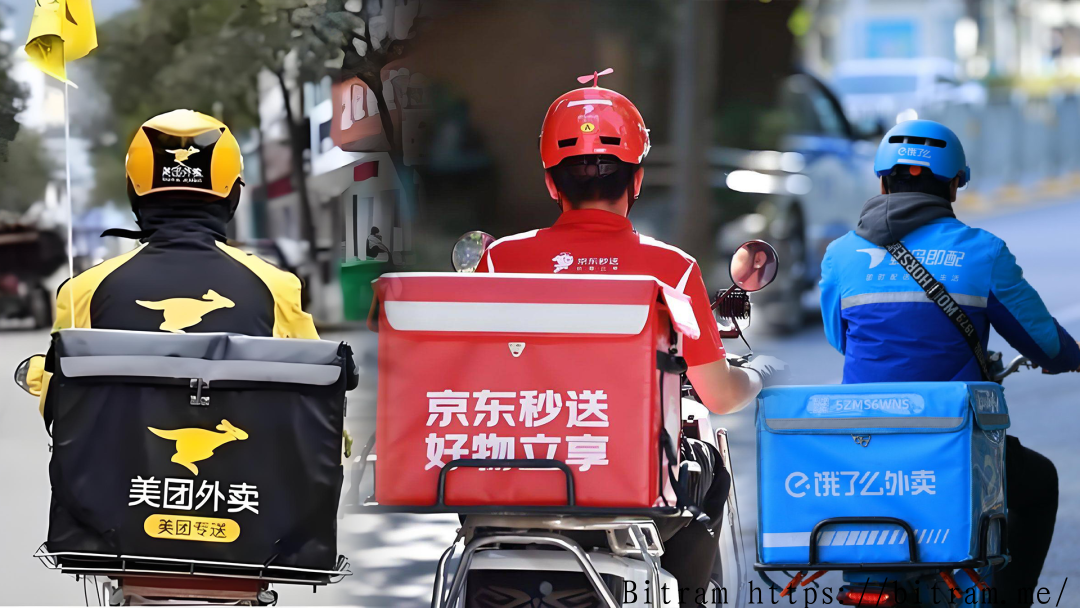
近期,外卖平台之间的补贴大战再度升温,各家平台争相推出大额优惠券、免配送费等促销手段,短期内吸引了大量消费者眼球。然而,这场看似热闹的外卖价格战背后,隐藏着一条难以为继的商业逻辑——当补贴成为唯一竞争武器,整个行业的健康生态正在被悄然侵蚀。
外卖大战本质上是平台资本的消耗游戏。头部玩家凭借雄厚资金持续"烧钱",中小平台和骑手群体却在这场游戏中承受着最直接的压力。与此同时,餐饮商户被迫接受更高的抽佣比例或更低的入驻门槛,盈利空间被层层压缩,行业整体陷入"越卷越穷"的困境。
无序竞争的代价:谁在买单?
表面上看,消费者是补贴战的最大受益者。但外卖平台恶性竞争的长期代价,最终仍会转嫁回市场:
- 骑手权益受损:为压缩成本,配送费被不断摊薄,骑手收入下滑,劳动保障愈发脆弱
- 餐饮商户失血:高抽佣叠加强制促销,大量中小餐饮商家利润所剩无几
- 食品安全隐患:商家为维持利润压缩食材成本,消费者"低价"背后存在质量风险
- 市场格局固化:大额补贴筑起资本壁垒,新进入者难以竞争,反而加速垄断形成
当一个行业的竞争只剩下"谁更能烧钱",市场效率与消费者福祉都将在长期受损。
监管出手,行业回归理性的窗口期已到
平台经济的无序扩张从来不是孤立事件,监管层对此保持着高度关注。此轮外卖行业监管收紧,核心指向正是平台以不正当竞争手段扰乱市场秩序的行为。限制低于成本价的倾销式补贴、规范平台与商户的合同关系、完善骑手劳动保障机制——这些议题已从行业讨论走向政策层面的实质推动。
从更宏观的视角看,平台经济可持续发展离不开合理的商业模式支撑。靠补贴换增长、靠规模压成本的打法已经走到瓶颈。真正能穿越周期的竞争力,应当建立在服务质量、配送效率、数据能力和生态协同之上,而非无底线的价格厮杀。
外卖大战终将走向终结,这不是某一方的失败,而是整个行业走向成熟的必经之路。监管的边界与市场的理性,共同划定了这场消耗战的终点线。对消费者而言,短暂的补贴狂欢之后,一个更健康、更可持续的外卖生态,才是真正值得期待的结果。
China's Food Delivery Price War Must End: Regulatory and Market Pressures Force Industry Reckoning
China's food delivery platforms have once again ramped up their subsidy wars, flooding users with heavy discount coupons and free delivery promotions. While the offers may look attractive on the surface, the underlying logic of this food delivery price war is unsustainable — when subsidies become the only competitive weapon, the health of the entire industry is being quietly undermined.
At its core, the food delivery platform war is a capital attrition game. Well-funded giants can afford to "burn cash" indefinitely, but it is the smaller platforms, delivery riders, and restaurant partners who absorb the most direct pressure. Merchants face rising commission rates and shrinking margins, while the industry as a whole spirals into a race to the bottom where competing harder only means earning less.
The Hidden Cost of Cutthroat Competition
Consumers may appear to be the biggest winners of the subsidy battle. But the long-term consequences of predatory competition among food delivery apps will eventually circle back to the market:
- Rider welfare erosion: Delivery fees are squeezed to cut costs, leaving riders with lower pay and weakening labor protections
- Restaurant profitability collapse: High commission rates combined with mandatory discounts leave little profit for small and mid-sized eateries
- Food safety risks: Merchants cutting ingredient costs to survive creates quality risks hidden behind "low prices"
- Market consolidation: Massive subsidies erect capital barriers that block new entrants and accelerate monopolistic dominance
When the only metric of competition is "who can burn more cash," both market efficiency and long-term consumer welfare are the real losers.
The Regulatory Window Has Opened — Time for the Industry to Recalibrate
The unchecked expansion of platform economies has never gone unnoticed by regulators. The current wave of food delivery industry oversight is squarely aimed at platforms that distort market order through unfair competitive practices. Cracking down on below-cost predatory pricing, standardizing platform-merchant contractual relationships, and strengthening labor protections for delivery riders — these issues have moved from industry debate to concrete policy action.
From a broader perspective, the sustainable development of platform economies cannot rely on subsidy-driven growth or scale-based cost compression. That playbook has hit a wall. True competitive resilience must be built on service quality, delivery efficiency, data capabilities, and ecosystem synergy — not endless price slashing.
The food delivery war will eventually come to an end. That outcome is not a defeat for any single player — it is the natural maturation of an entire industry. Regulatory boundaries and market rationality together define the finish line of this exhausting battle. For consumers, after the brief thrill of discount mania fades, a healthier and more sustainable food delivery ecosystem is ultimately what's worth waiting for.
发表评论