日本自卫队现役人员强闯中国使馆:专家警告日本右倾化加速,危害不可低估

3月24日,一名日本自卫队现役人员翻墙强闯中国驻日使馆,威胁杀害中国外交人员,严重违反《维也纳外交关系公约》。中国外交部提出强烈抗议,专家指出此事件折射出日本国内右翼化思潮持续蔓延,加之日本加速推进再军事化,对地区安全构成深刻威胁。
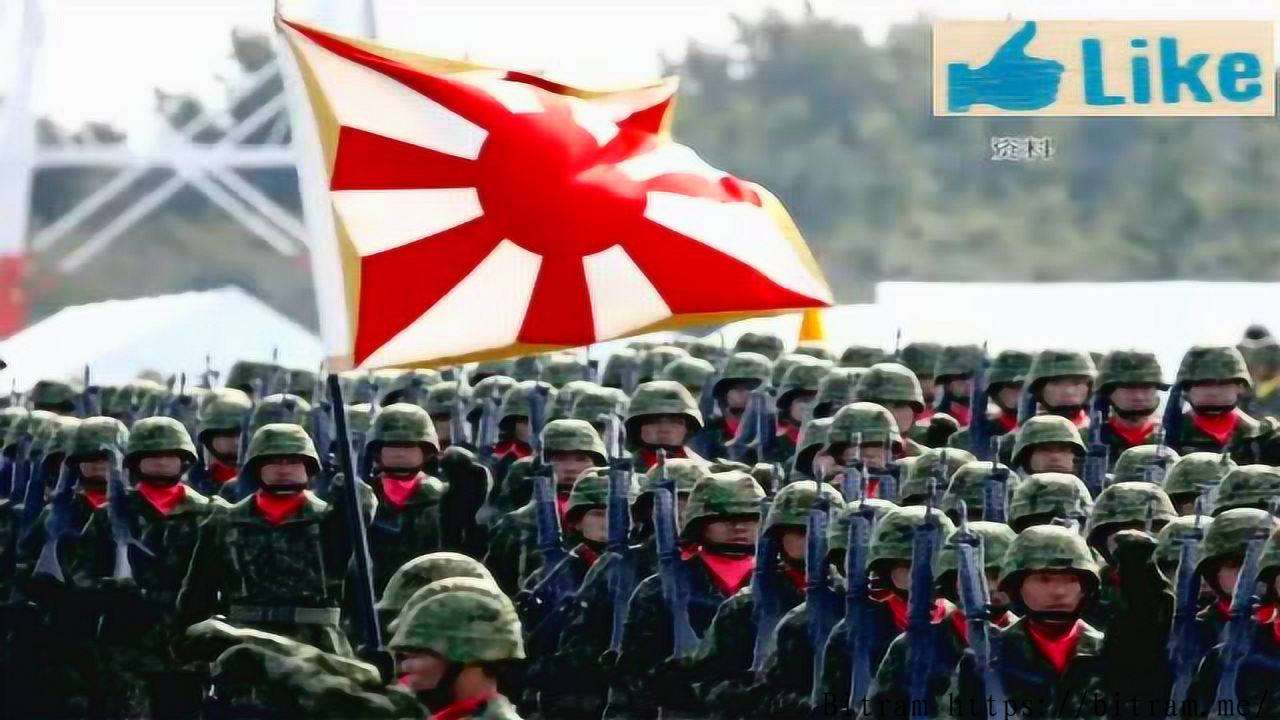
3月24日上午,一名日本自卫队现役军官翻越围墙,强行闯入中国驻日本大使馆,并扬言以"神的名义"杀死中国外交人员。此人事后承认其行为违法,但闯入的目的性之强、手段之恶劣,令外界高度警惕。中国外交部随即在当天下午的例行记者会上表达强烈谴责,发言人林剑指出,此事件严重违反《维也纳外交关系公约》,严重威胁中方外交人员及外交设施的安全,性质极为恶劣,已向日方提出严正交涉。
围绕这一中日外交安全事件,中国国际问题研究院专家苏晓晖发出明确警告:不应将此次闯馆事件简单定性为偶发个案。从闯入者的身份、行为方式到事后供词,均显示出清晰的目的性与预谋性,背后折射出的是日本国内右翼、极右翼思潮的不断蔓延,以及这种思潮对中日关系乃至日本社会自身造成的深层侵蚀。
日本右翼思潮与军事化提速,地区安全面临新压力
此次事件并非孤立存在。就在事发前一日,日本自卫队完成一轮大规模组织调整,涵盖扩编海上力量、建立太空部队及情报部队等重要举措。与此同时,日本自民党安全保障调查会也在讨论年内修订"安保三文件"的计划,为解除武器出口限制、乃至向交战国输出致命武器预留空间。
从更宏观的视角审视日本再军事化进程,一系列动向值得高度关注:
- 防卫预算突破9万亿日元,提前实现GDP占比2%目标,资金重点流向远程打击与无人作战等进攻性领域
- 拟开征"防卫特别所得税",筹建"国家情报局",加速打造新型军工复合体
- 修订安保政策框架,系统性突破战后和平主义约束
专家指出,右翼思潮的危害在于煽动非理性情绪、刻意制造仇恨,若任由其蔓延侵蚀中日关系根基,势必引发更危险的连锁反应。
中方立场:理性应对,敦促日方纠偏
面对上述局面,中方的基本立场是保持理性克制,同时态度鲜明地要求日本切实反思。外交部多次强调,日方的实际行动难以取信于亚洲邻国和国际社会,敦促日本恪守宪法和平主义条款,履行中日四个政治文件中的承诺,不要在错误道路上越走越远。
苏晓晖同时指出,中方推行爱国主义教育,出发点在于共同维护地区和平,而非制造对立与仇恨——这与日本右翼煽动性的极端民族主义有着本质区别。
此次事件的警示意义,不止于一起外交安全事故本身。它是观察日本右倾化走向、研判中日关系风险走势的重要窗口。日本能否在军事扩张冲动与地区和平责任之间保持清醒,将深刻影响东亚格局的未来走向。
Active Japan SDF Member Intrudes Chinese Embassy: Experts Warn of Accelerating Right-Wing Shift
On the morning of March 24, an active-duty member of Japan's Self-Defense Forces (SDF) scaled the perimeter wall and forcibly entered the Chinese Embassy in Tokyo, threatening to kill Chinese diplomatic staff "in the name of God." The intruder later admitted the act was illegal, but the calculated nature of the intrusion — from his methods to his stated intent — has set off serious alarm bells. At that afternoon's regular press briefing, Chinese Foreign Ministry spokesperson Lin Jian issued a sharp condemnation, stating that the incident constitutes a grave violation of the Vienna Convention on Diplomatic Relations, poses a direct threat to the safety of Chinese diplomats and diplomatic premises, and that Beijing has lodged a formal and stern protest with Tokyo.
Commenting on this China-Japan diplomatic security incident, Su Xiaohui, a researcher at the China Institute of International Studies, issued a clear warning: this intrusion must not be dismissed as an isolated, spontaneous act. The intruder's identity, conduct, and subsequent testimony all point to deliberate premeditation. The incident, Su argues, is a symptom of a deeper malaise — the steady rise of right-wing and far-right ideologies within Japan, and the corrosive effect that these currents are having on both China-Japan relations and Japanese society itself.
Japan's Right-Wing Drift and Military Build-Up Put Regional Security Under Strain
The embassy intrusion did not occur in a vacuum. Just one day earlier, Japan's SDF completed a sweeping organizational overhaul, including a major expansion of its maritime capabilities, the establishment of a space force unit, and the creation of dedicated intelligence formations. Simultaneously, the Liberal Democratic Party's Security Research Committee convened to discuss revising the country's "three security documents" within the year — a move that would clear the way for lifting arms export restrictions, potentially allowing the sale of lethal weapons to countries at war.
Zooming out, Japan's re-militarization trajectory warrants close scrutiny across several dimensions:
- The defense budget has surpassed 9 trillion yen, hitting the 2% of GDP target ahead of schedule, with funds channeled into offensive domains such as long-range strike capabilities and unmanned warfare systems
- Plans are underway to levy a "special defense income tax" and establish a "National Intelligence Agency," accelerating the construction of a new military-industrial complex
- Security policy frameworks are being systematically revised to erode the post-war pacifist constraints embedded in Japan's constitutional order
Experts warn that right-wing ideology is dangerous precisely because it stokes irrational sentiment and deliberately fosters hatred. If left unchecked, its erosion of the foundation of China-Japan relations will inevitably trigger more dangerous consequences down the line.
China's Position: Rational Restraint, Clear Demands for Course Correction
China's response has been one of measured resolve — maintaining calm while making its expectations of Japan unmistakably clear. The Foreign Ministry has repeatedly stressed that Japan's actions have failed to earn the trust of its Asian neighbors or the international community, urging Tokyo to honor the commitments enshrined in the four China-Japan political documents, uphold the pacifist principles of its own constitution, and stop advancing further down a path that leads nowhere good.
Su Xiaohui also drew an important distinction: China's patriotic education, he emphasized, is oriented toward the shared goal of preserving regional peace — not toward manufacturing hostility. This stands in fundamental contrast to the inflammatory ultranationalism propagated by Japan's right wing.
The significance of this incident extends well beyond a single diplomatic security breach. It serves as a critical lens through which to observe Japan's rightward drift and assess the evolving risk landscape of China-Japan relations. Whether Japan can maintain a clear-eyed sense of responsibility for regional stability — amid mounting pressure from its own hawkish factions — will have profound implications for the future of East Asia's security order.
发表评论