军工腐败大案:涉案超7亿"军工虎"谭瑞松被判死刑缓期执行

中国军工领域重大腐败案件宣判,"军工虎"谭瑞松因受贿等罪名涉案金额超7亿元,被法院判处死刑缓期两年执行。本文梳理案件核心信息,深度分析军工领域反腐形势及此案的警示意义。
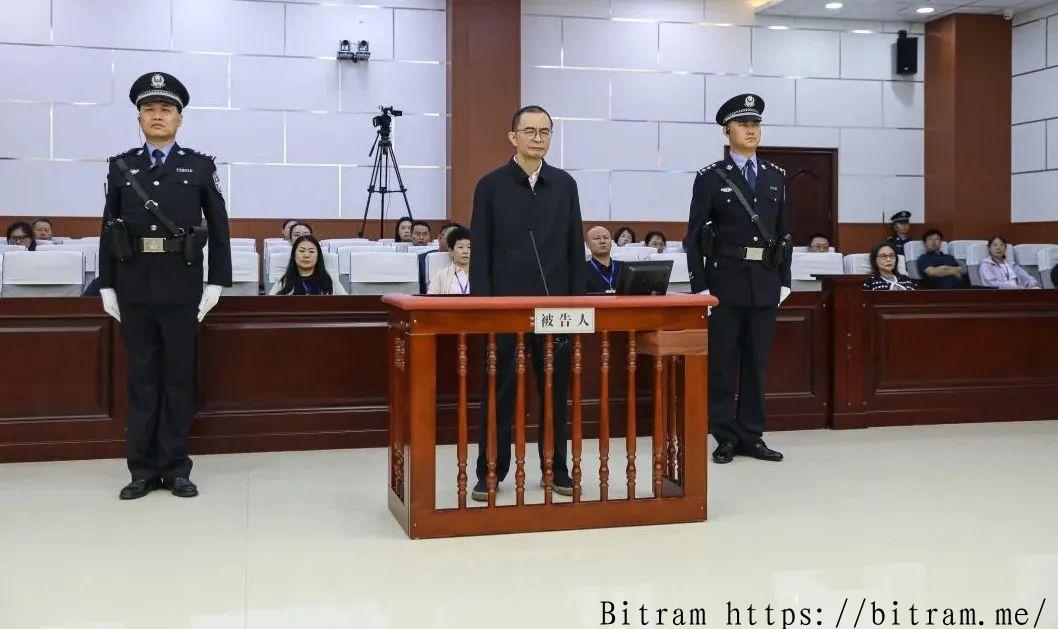
又一只"军工虎"落网并迎来最终审判。谭瑞松,曾任中国航天科工集团有限公司党组书记、董事长,因严重违纪违法,涉案金额高达超7亿元,被法院以受贿罪等罪名判处死刑,缓期两年执行,同时剥夺政治权利终身,并处没收个人全部财产。这一判决,是近年来军工央企领域涉案金额最高、震动最大的腐败案件之一。
谭瑞松案之所以被广泛关注,不仅在于其超7亿元的惊人涉案规模,更在于其所处位置的特殊性。航天科工集团作为中国国防与航天工业的核心力量,承担着大量军事装备和战略项目的研发生产任务。一旦核心领导层出现腐败问题,其危害远不止于经济层面,更可能对国家安全和军事能力产生深远的负面影响。
从"一把手"到阶下囚:权力失控的典型样本
谭瑞松长期执掌航天科工集团,手握人事、采购、项目审批等核心权力。权力高度集中而监督机制缺失,正是滋生此类腐败的温床。根据司法机关的调查,其违法行为时间跨度长、涉及领域广,包括利用职务便利在企业经营、工程承揽、人员任用等方面为他人谋取利益,并收受巨额财物。
这与近年来查处的多名央企"一把手"腐败案呈现出高度相似的规律:
- 权力边界模糊:在央企体制内,董事长兼党委书记的"双肩挑"模式使权力过度集中
- 监督形同虚设:内部审计与外部监督长期处于弱势,难以对高层形成有效制约
- 利益输送链条隐蔽:通过关联企业、亲属经营等方式构建利益输送网络,隐蔽性强
死缓判决背后的司法逻辑与警示意义
死刑缓期执行,在中国司法实践中意味着罪行极其严重,但具备从轻情节——通常包括主动配合调查、如实供述、积极退赃等表现。谭瑞松案的判决结果,体现了宽严相济的刑事司法政策,既彰显了对腐败行为的零容忍态度,也保留了法律弹性空间。
涉案超7亿元的体量,使谭瑞松案成为近年军工领域反腐力度的一个缩影,也再次印证了"不敢腐"高压态势的持续存在。
军工领域的反腐,历来是中国整体反腐战略的重中之重。从此前的郭伯雄、房峰辉等军队系统腐败案,到如今谭瑞松等军工央企领导层的相继落马,反腐的触角正在持续向权力最敏感、资源最集中的领域延伸。对于同类企业的管理者而言,谭瑞松案无疑是一次极为深刻的警示:在高度敏感的军工领域,任何以权谋私的行为都将付出沉重代价。
谭瑞松被判死缓,标志着这起军工腐败大案的司法程序进入收尾阶段,也再次提示社会各界:制度性反腐与个案追责并重,方能从根本上遏制腐败滋生的土壤。
China's "Military-Industrial Tiger" Tan Ruisong Sentenced to Death with Reprieve in 700 Million Yuan Corruption Case
Another "military-industrial tiger" has been brought to justice. Tan Ruisong, former Party Secretary and Chairman of China Aerospace Science and Industry Corporation (CASIC), has been sentenced to death with a two-year reprieve on charges including bribery, with a total amount involved exceeding 700 million yuan (approximately $97 million USD). The court also imposed lifelong deprivation of political rights and confiscation of all personal assets. This verdict stands as one of the most significant corruption cases ever prosecuted within China's state-owned defense enterprises.
The case has drawn widespread attention not only because of the staggering sum exceeding 700 million yuan, but also due to the sensitive nature of Tan's former role. CASIC serves as a cornerstone of China's national defense and aerospace industry, responsible for developing and producing critical military equipment and strategic systems. Corruption at the highest level of such an organization carries consequences far beyond financial loss — it poses a genuine threat to national security and military readiness.
From Top Executive to Defendant: A Textbook Case of Unchecked Power
Tan Ruisong exercised sweeping authority over CASIC for years, with direct control over personnel appointments, procurement decisions, and major project approvals. The concentration of power without effective oversight created fertile ground for the abuses that followed. Investigators found that his misconduct spanned an extended period and covered multiple areas, including using his position to benefit others in business operations, project contracting, and staff promotions — in exchange for enormous sums.
This pattern closely mirrors that of other high-profile state-owned enterprise (SOE) corruption cases in recent years:
- Blurred boundaries of authority: The "dual role" model — where the chairman also serves as Party secretary — concentrates power to a dangerous degree
- Supervision that exists only on paper: Internal audits and external oversight mechanisms have consistently failed to hold top-level executives accountable
- Sophisticated networks of illicit gain: Benefits were channeled through affiliated companies and family members, making the schemes difficult to detect
The Legal Logic Behind the Death Reprieve — and Its Broader Warning
A death sentence with a two-year reprieve, under Chinese judicial practice, reflects an extremely serious crime paired with mitigating factors — typically including cooperation with investigators, honest confession, and proactive return of illegal gains. The outcome in Tan's case reflects a balanced criminal justice policy that signals zero tolerance for corruption while retaining a degree of legal flexibility.
With over 700 million yuan involved, the Tan Ruisong case encapsulates the sustained intensity of China's anti-corruption campaign in the defense sector, reaffirming that the high-pressure deterrence environment shows no signs of easing.
Anti-corruption efforts in the defense and military-industrial sphere have always occupied a central place in China's broader anti-graft strategy. From earlier cases involving military figures such as Guo Boxiong and Fang Fenghui, to the more recent downfall of executives across major defense conglomerates, the anti-corruption dragnet continues to reach into the most power-dense and resource-rich corners of the system. For executives in similar positions, the Tan Ruisong case sends an unmistakable message: in a sector as sensitive as military industry, exploiting public office for private gain will exact an irreversible cost.
The death reprieve handed down to Tan Ruisong brings the judicial proceedings of this landmark corruption case toward a close, while serving as a broader reminder that lasting progress against corruption requires both systemic institutional reform and rigorous individual accountability — working in tandem to eliminate the conditions that allow such abuses to take root.
发表评论