伊朗宣称向美军林肯号航母发射导弹,中东局势再度骤然升温

伊朗宣称向美国海军林肯号航空母舰发射导弹,此举引发国际社会高度关注。事件背后折射出伊美两国长期战略博弈与中东地区持续紧张态势。本文深度分析此次事件的背景、可信度及其对中东局势的潜在影响,带你快速读懂这场危机的来龙去脉。
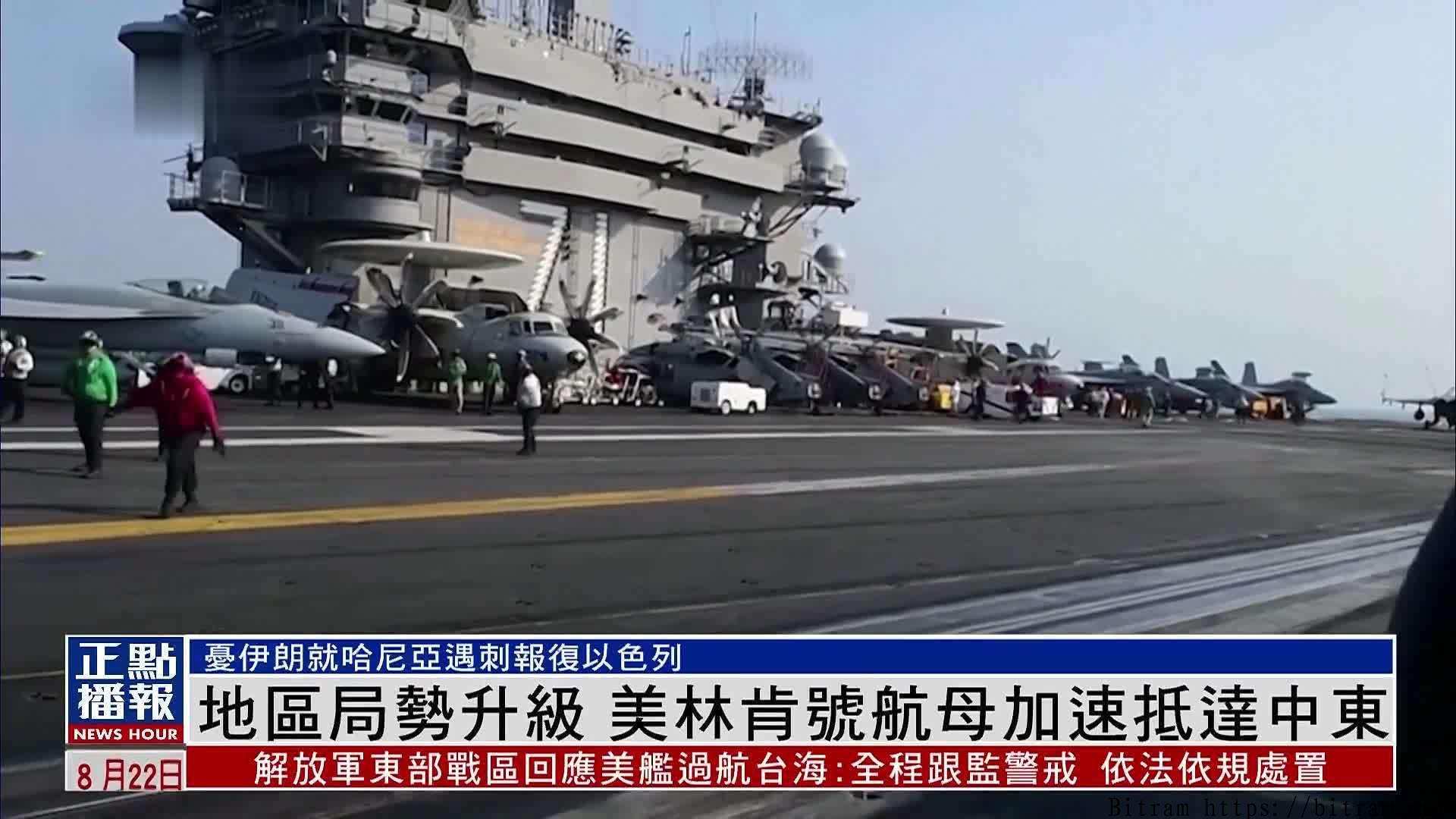
伊朗近日公开宣称,其军事力量向部署在中东海域的美国海军林肯号航空母舰发射了导弹。这一声明迅速在国际社会引发强烈震动,也将本已高度敏感的伊美关系再度推向聚光灯下。尽管美方目前尚未证实相关攻击造成实质性损失,但这一事件本身已足以令全球局势观察者高度警惕。
值得注意的是,林肯号航母(USS Abraham Lincoln,CVN-72)长期活跃于波斯湾及阿拉伯海一带,是美国在中东地区军事存在的重要象征。伊朗选择将矛头直指这艘旗舰级战舰,其政治信号意义远大于军事层面的实际效果。
事件背景:伊美博弈的又一个节点
伊朗与美国之间的结构性矛盾由来已久,核协议谈判陷入僵局、美国对伊制裁持续收紧、伊朗在也门和黎巴嫩等地区代理势力的扩张,都是此次紧张态势的深层根源。近年来,波斯湾海域的无人机与导弹对峙事件频发,伊朗革命卫队与美军之间的摩擦早已不是新鲜事。
此次宣称发射导弹,是伊朗在外交受阻、经济承压背景下,向国内外释放强硬信号的惯用手段之一。
从战略角度分析,伊朗的这一行动具有多重目的:
- 对内:提振国内民族情绪,转移经济困境带来的社会压力
- 对外:向美国及其盟友传递"伊朗不会坐以待毙"的警告信息
- 谈判筹码:在可能重启的核谈判中增加自身的要价砝码
局势研判:冲突升级还是舆论博弈?
目前最关键的问题,是此次事件的真实性与后续走向。伊朗军方的单方面声明历来存在夸大成分,美军方面若无相应损失确认,则事件的破坏性可能远低于声明所暗示的烈度。然而,即便是"未遂"或"象征性"的导弹发射行为,在当前中东火药桶般的环境下,也足以引发连锁反应。
与此同时,国际油价与能源市场对此类事件高度敏感。中东局势每一次明显升温,都会推动原油价格出现波动,进而影响全球供应链与通货膨胀预期。
综合来看,伊朗此番宣称对林肯号航母发动导弹攻击,无论其军事效果如何,已在政治与舆论层面制造了显著冲击。中东局势的走向,仍将是未来数周全球战略界与金融市场共同密切追踪的焦点议题。
Iran Claims Missile Strike on USS Abraham Lincoln: Middle East Tensions Escalate Again
Iran has publicly claimed that its military forces launched missiles at the USS Abraham Lincoln, a U.S. Navy aircraft carrier deployed in Middle Eastern waters. The announcement sent immediate shockwaves through the international community, once again thrusting the already volatile Iran-U.S. relationship into the global spotlight. While American authorities have yet to confirm any significant damage resulting from the alleged strike, the declaration alone has put global security analysts on high alert.
It is worth noting that the USS Abraham Lincoln (CVN-72) has long been a fixture in the Persian Gulf and Arabian Sea, serving as a powerful symbol of American military presence in the region. Iran's decision to target this flagship carrier carries far greater political significance than any tangible military impact.
Background: Another Flashpoint in the Iran-U.S. Rivalry
The structural tensions between Iran and the United States have deep roots — stalled nuclear deal negotiations, tightening U.S. sanctions, and Iran's expanding influence through proxy forces in Yemen and Lebanon have all fueled the current standoff. Incidents involving drone and missile confrontations in the Persian Gulf have become increasingly frequent in recent years, making friction between the Islamic Revolutionary Guard Corps and U.S. forces a recurring feature of the region's security landscape.
This claimed missile launch is one of Iran's go-to tactics for projecting strength both domestically and internationally when diplomacy stalls and economic pressure mounts.
Viewed through a strategic lens, Iran's action serves multiple purposes:
- Domestically: Boosting nationalist sentiment and diverting public attention from economic hardship
- Externally: Signaling to the U.S. and its allies that Iran will not remain passive under pressure
- As leverage: Strengthening its bargaining position ahead of any potential resumption of nuclear talks
Assessment: Escalation or Propaganda?
The most pressing question now is whether the incident is genuine and what comes next. Unilateral claims from Iranian military officials have historically been prone to exaggeration, and without U.S. confirmation of damage, the actual destructive impact may be far lower than the statement implies. That said, even an unsuccessful or symbolic missile launch carries serious weight in today's powder-keg environment across the Middle East.
At the same time, global oil prices and energy markets are acutely sensitive to such events. Every significant spike in Middle Eastern tensions tends to drive crude oil price volatility, with downstream effects on global supply chains and inflation expectations.
In summary, regardless of the military outcome, Iran's claim of a missile strike against the USS Abraham Lincoln has already created a significant political and media shockwave. The trajectory of Middle East tensions will remain a top priority for global strategists and financial markets alike in the weeks ahead.
发表评论