特朗普宣称对伊朗实现"政权更迭":伊方已承诺永远放弃核武器

特朗普3月24日接受采访时宣称,美国已在伊朗取得"巨大胜利",实现政权更迭,且伊朗方面已同意永远不会拥有核武器。此番表态引发国际社会广泛关注,伊朗核问题谈判走向再度成为焦点,美伊关系最新动态值得持续观察。
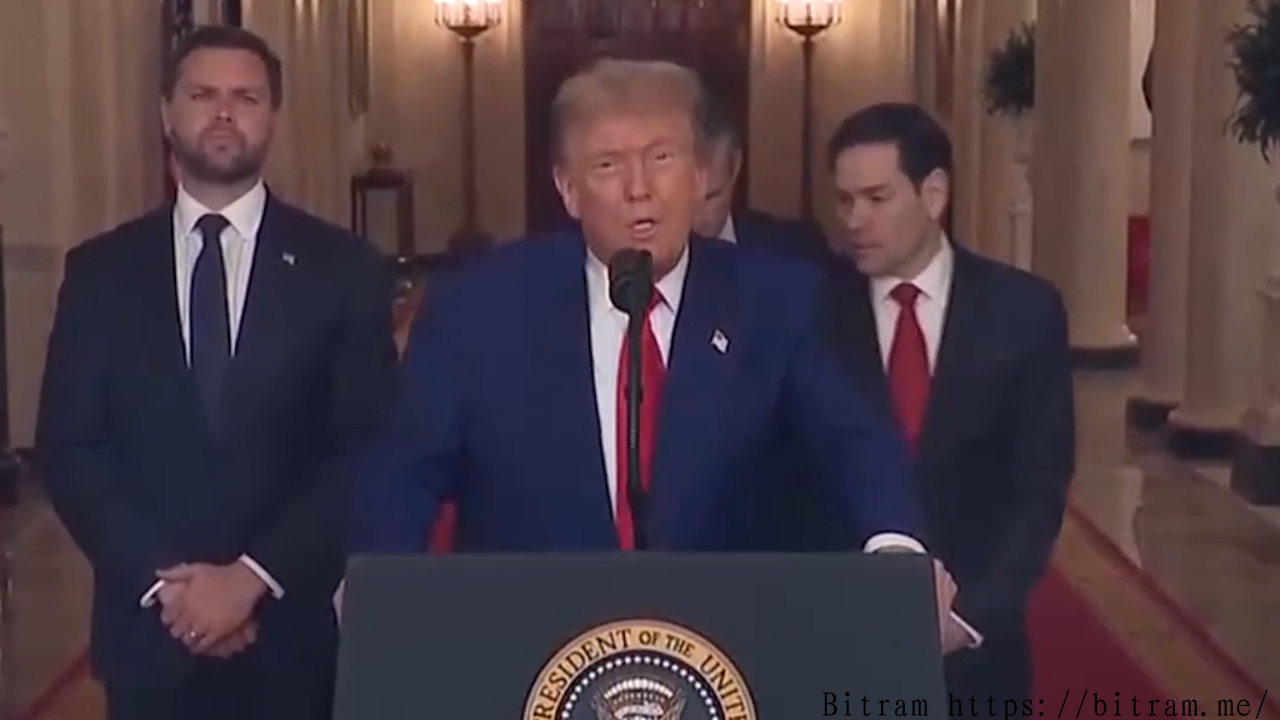
特朗普日前在一次媒体采访中抛出了一个震惊国际舆论的说法——他声称美国已经在伊朗完成了"政权更迭",并取得了所谓的"巨大胜利"。更令外界瞩目的是,他进一步表示,伊朗方面已经明确同意"永远不会拥有核武器"。这一系列表态,让本就扑朔迷离的美伊关系再度站上风口浪尖。
值得注意的是,就在特朗普发出上述声明之前,伊朗方面曾公开否认与美国存在任何直接对话。两国官方说辞之间的明显矛盾,不禁让外界对这场所谓"突破性进展"的真实性打上问号。伊朗核问题谈判究竟进展到哪一步,目前仍难以从独立渠道得到证实。
特朗普"胜利外交"的一贯风格
回顾特朗普的执政历史,这种以"我赢了"定性外交成果的表达方式并不陌生。无论是对朝鲜、对中国还是对中东盟友,他惯于在谈判尚未落地时便率先对外宣布胜利,以塑造强硬且高效的领导人形象。这种外交叙事策略固然能在短期内提振国内支持率,但也多次导致盟友困惑、对手否认的尴尬局面。
此次涉及伊朗的表态同样遵循这一模式。"政权更迭"措辞本身极为敏感——在国际关系语境中,这通常意味着一国政府通过外部力量被推翻或根本性改变。特朗普究竟在何种意义上使用这一说法,是字面意思还是修辞夸张,目前尚不明朗。
伊朗核问题的关键走向
从更宏观的视角来看,美国对伊制裁与核协议谈判之间的博弈已持续多年。自2018年特朗普第一任期内单方面退出伊核协议(JCPOA)以来,美伊双方关系持续恶化,多轮间接谈判也未能达成实质突破。
如果伊朗真的同意放弃核武器研发,这将是中东地区地缘政治格局的重大转折点,其影响不亚于当年利比亚主动放弃核计划。然而,在任何书面协议签署并经过多方核实之前,此类单方面宣称都应保持审慎态度。
- 特朗普方面:以胜利者姿态宣布重大外交成果,为国内政治加分
- 伊朗方面:官方此前否认对话,后续立场仍需观察
- 国际社会:普遍持观望态度,等待实质性协议文本出现
综合来看,特朗普关于伊朗"政权更迭"和"弃核承诺"的表态,目前更像是一种政治宣示而非经过核实的外交事实。美伊关系的真实走向,仍需等待双方官方的进一步确认与行动落地。国际社会对伊朗核问题的持续关注,也将是衡量这场"胜利"是否名副其实的最终标准。
Trump Claims "Regime Change" in Iran Achieved: Tehran Allegedly Agrees to Permanently Abandon Nuclear Weapons
During a recent media interview, Donald Trump made a statement that sent shockwaves through international circles — claiming that the United States had successfully achieved "regime change" in Iran and secured what he called a "tremendous victory." Even more striking was his assertion that Iran had explicitly agreed it would "never possess nuclear weapons." These remarks have thrust the already volatile US-Iran relations back into the global spotlight.
What makes the situation particularly puzzling is that prior to Trump's announcement, Iranian officials had publicly denied any direct dialogue with the United States. The glaring contradiction between the two governments' official positions raises serious questions about the authenticity of this so-called "breakthrough." The actual state of Iran nuclear negotiations remains impossible to independently verify at this stage.
Trump's Signature "Victory Diplomacy" Playbook
Looking back at Trump's political track record, this pattern of declaring diplomatic wins before deals are finalized is nothing new. Whether dealing with North Korea, China, or Middle Eastern allies, he has consistently favored announcing victories ahead of any concrete agreements — a strategy designed to project an image of strength and decisive leadership. While this diplomatic narrative approach may boost domestic approval ratings in the short term, it has repeatedly left allies confused and adversaries issuing flat denials.
The latest statements about Iran follow the same playbook. The term "regime change" itself is extraordinarily loaded in the context of international relations — it typically implies that a government has been overthrown or fundamentally transformed through external pressure or intervention. Whether Trump used the phrase literally or as rhetorical hyperbole remains unclear.
What This Means for the Iran Nuclear File
Stepping back for a broader perspective, the tug-of-war between US sanctions on Iran and nuclear deal negotiations has dragged on for years. Since Trump unilaterally withdrew from the Joint Comprehensive Plan of Action (JCPOA) during his first term in 2018, US-Iran relations have deteriorated sharply, with multiple rounds of indirect talks failing to produce any substantive breakthrough.
If Iran had genuinely agreed to abandon its nuclear weapons program, it would represent a seismic shift in Middle Eastern geopolitics — comparable in significance to Libya's voluntary disarmament in the early 2000s. However, until a written agreement is signed and verified by multiple independent parties, unilateral claims of this magnitude warrant considerable skepticism.
Key takeaways from the current situation:
- Trump's position: Declaring a major diplomatic win to score political points at home
- Iran's position: Previously denied any dialogue; future stance remains to be seen
- International community: Largely in wait-and-see mode, looking for a tangible agreement
In summary, Trump's claims about "regime change" in Iran and a commitment to abandon nuclear weapons currently resemble political posturing more than verified diplomatic fact. The true trajectory of US-Iran relations will only become clear through official confirmation from both sides and concrete follow-through actions. How the international community continues to respond to the Iran nuclear issue will ultimately serve as the real measure of whether this claimed "victory" holds any substance.
发表评论