航空工业原董事长谭瑞松一审宣判:受贿逾6亿获死缓,贪污内幕交易罪并罚

2026年3月25日,大连市中级人民法院对中国航空工业集团原董事长谭瑞松作出一审判决:以受贿罪判处死刑缓期两年执行,贪污近9000万元、受贿逾6亿元,并涉内幕交易。法院综合考量其自首、立功、退赃等情节,最终未予立即执行死刑。
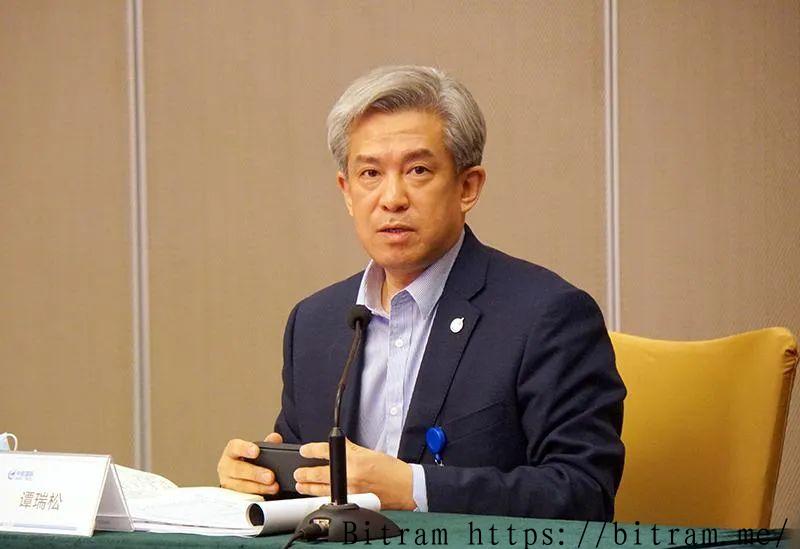
一审宣判:死缓背后的庞大涉案金额
2026年3月25日,大连市中级人民法院对中国航空工业集团有限公司原党组书记、董事长谭瑞松作出一审判决。法院认定其犯有贪污罪、受贿罪、内幕交易及泄露内幕信息罪,依法数罪并罚,最终决定执行死刑缓期两年执行,并剥夺政治权利终身、没收个人全部财产。
此案涉案金额之巨令人震惊。经法院审理查明:
- 贪污:2003年至2010年间,谭瑞松利用职务便利非法侵占公共财物约8993万元人民币;
- 受贿:跨越1998年至2024年长达26年的时间,累计非法收受财物折合人民币6.13亿余元,为相关企业在并购重组、项目承揽等方面提供便利;
- 内幕交易:自2012年至2023年间,多次在内幕信息敏感期买卖证券,并向他人泄露内幕信息,情节被认定为特别严重。
谭瑞松的仕途横跨国内多家重要航空央企,从哈尔滨东安发动机到航空工业集团董事长,其权力运作周期之长、涉案时间跨度之广,折射出长期监管盲区的隐患。
为何判"死缓"而非立即执行?
这一判决结果在反腐案件中具有一定代表性。法院在认定谭瑞松罪行极其严重的同时,也综合考量了多项从宽情节:
- 受贿犯罪中存在犯罪未遂情节;
- 到案后如实供述,并主动交代侦查机关尚未掌握的贪污及部分受贿事实;
- 贪污罪依法构成自首,且具有重大立功表现;
- 认罪悔罪态度明确,贪污、受贿所得及孳息已全部追缴。
从反腐败司法实践的角度看,"坦白从宽"与"退赃换命"的逻辑在此案中得到了充分体现。死缓判决既保持了对严重腐败行为的高压震慑,也为后续追缴违法所得留下了制度空间。该案的庭审于2025年10月30日开庭,谭瑞松当庭表示认罪悔罪。
反腐高压下的央企警示
谭瑞松案是近年来央企高管腐败案中涉案金额最高的案例之一,受贿金额超过6亿元,时间跨度超过25年,充分说明权力长期缺乏有效约束的严重后果。在内幕交易层面,其利用掌握的信息优势操纵证券市场,对资本市场公平秩序构成直接破坏,这也是该案与一般腐败案件的显著区别之处。
此案对国有企业治理、资本市场监管以及党纪国法的协同执行,均具有重要的警示意义。谭瑞松案一审宣判,标志着对这位昔日航空工业掌门人长达数年调查的正式司法收官。
Former AVIC Chairman Tan Ruisong Sentenced to Death with Reprieve for Bribery Exceeding 600 Million Yuan
First-Instance Verdict: The Staggering Figures Behind a Death Reprieve
On March 25, 2026, the Dalian Intermediate People's Court delivered its first-instance verdict against Tan Ruisong, former Party Secretary and Chairman of Aviation Industry Corporation of China (AVIC). The court found him guilty of embezzlement, bribery, insider trading, and disclosure of inside information. Under a combined sentencing for multiple offenses, Tan was ultimately sentenced to death with a two-year reprieve, stripped of political rights for life, and subject to full confiscation of personal assets.
The financial scale of the case is staggering. According to the court's findings:
- Embezzlement: Between 2003 and 2010, Tan illegally appropriated approximately 89.93 million yuan in public assets by exploiting his official positions;
- Bribery: Spanning 26 years from 1998 to 2024, Tan accepted illicit payments totaling over 613 million yuan, facilitating corporate mergers, acquisitions, and project contracts for various parties;
- Insider trading: From 2012 to 2023, Tan repeatedly traded securities during sensitive periods when he possessed inside information, and disclosed that information to others — conduct the court deemed especially egregious.
Tan's career traversed several of China's most important state-owned aviation enterprises, from Harbin Dongan Engine to the chairmanship of AVIC itself. The extraordinary duration of his misconduct and the breadth of his influence point to prolonged gaps in oversight and accountability.
Why a Reprieve Rather Than Immediate Execution?
The verdict carries significance within the broader context of China's anti-corruption jurisprudence. While the court found Tan's crimes to be extremely serious, it also weighed several mitigating factors:
- Some bribery acts remained at the attempted stage and were not fully completed;
- After being taken into custody, Tan truthfully confessed and voluntarily disclosed facts investigators had not yet uncovered;
- His embezzlement offense qualified as a voluntary surrender, and he rendered major meritorious service;
- Tan expressed genuine remorse, and all proceeds from embezzlement and bribery — including accrued interest — have been fully recovered.
From the standpoint of anti-corruption legal practice, this case is a textbook illustration of the principle that confession and asset recovery can influence the severity of punishment. The death reprieve maintains a strong deterrent against serious corruption while preserving the institutional framework for continued asset recovery. The trial was held on October 30, 2025, during which Tan expressed his guilt and remorse before the court.
A Warning to State-Owned Enterprises Under Anti-Corruption Pressure
The Tan Ruisong case stands among the highest-value SOE executive corruption cases in recent years. With bribery alone exceeding 613 million yuan over a span of more than 25 years, the case lays bare the grave consequences of unchecked power over an extended period. What sets this case apart from conventional corruption prosecutions is the insider trading dimension — Tan exploited privileged information to manipulate securities markets, directly undermining the fairness and integrity of China's capital markets.
This case carries important lessons for state-owned enterprise governance, capital market regulation, and the coordinated enforcement of Party discipline and national law. The first-instance verdict in the Tan Ruisong case marks the formal judicial conclusion of a years-long investigation into one of China's most senior aviation industry executives.
发表评论