柯文哲一审被判17年!京华城案与政治献金案四大罪名全面解析

台湾民众党前主席柯文哲因涉京华城案及政治献金案,于2025年1月26日被台北地方法院一审判处17年有期徒刑,四大罪名全部成立。本文深度解析案件背景、判决要点及其对台湾政治生态的深远影响,带你全面了解这一重大司法事件。
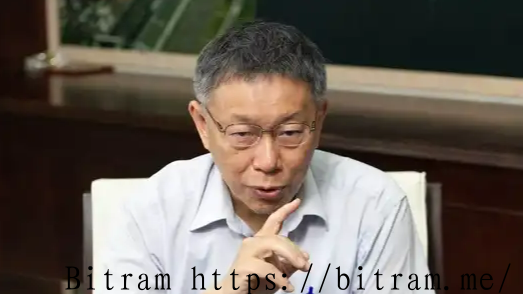
台湾政坛再度震动。台湾民众党前主席柯文哲于1月26日下午迎来一审宣判,台北地方法院就其所涉京华城案及政治献金案等多项指控作出裁决,认定四大罪名全部成立,合计判处有期徒刑17年。这一判决结果,不仅是柯文哲个人政治生涯的重大转折,也在台湾社会引发广泛讨论。
柯文哲曾任台北市长逾八年,并于近年创立台湾民众党,一度被视为台湾政坛的"第三势力"代表人物。然而,随着司法调查的深入推进,涉及重大商业开发利益输送的京华城案将其推上了法庭被告席。此案核心争议,在于相关商业开发项目是否存在不当的政商利益勾连。
判决焦点:四大罪名逐一击破
此次一审判决涵盖多项指控,综合来看涉及以下核心层面:
- 京华城容积率异常审批:司法认定相关开发案存在违规提高容积率的问题,柯文哲被指在其担任市长期间对此负有直接责任。
- 政治献金违规:检方指控其竞选及党务资金存在不透明的财务操作,涉嫌违反相关政治献金法规。
- 图利特定对象:通过行使职权,被认定存在为特定利益方谋取不当利益的行为。
- 其他相关罪名:法院综合案情认定的额外违规事项。
台北地方法院一审宣判柯文哲四大罪名成立,合并处以17年有期徒刑,创下近年台湾政治人物司法判决的高度关注纪录之一。
判决背后:台湾政治生态的深层信号
柯文哲案的政治献金争议折射出台湾政党政治中长期存在的资金透明度困境。无论最终司法结果如何演变,此案已对台湾民众党的政治版图造成实质性冲击,党内路线与领导层的重整压力随之骤增。
值得关注的是,一审判决并非终点。依据台湾司法程序,柯文哲方面有权提起上诉,案件将进入二审程序,最终定罪与否仍有变数。但无论上诉走向如何,17年的一审重判已然释放出明确信号:台湾司法机构对政商勾连问题保持高度警觉,对涉案政治人物不存在"豁免区"。
此案的深远意义或许不止于柯文哲本人。随着案件持续发酵,台湾选民对政治人物财务透明度与权力边界的关注度势必进一步提升,这对台湾未来的政治生态走向具有不可忽视的示范效应。
柯文哲京华城案一审宣判17年,是台湾近年来最受瞩目的政治司法事件之一,其后续走向值得持续关注。
Ko Wen-je Sentenced to 17 Years in Prison: Breaking Down the Four Charges in the Jing Hua Cheng and Campaign Finance Cases
Taiwan's political landscape was shaken once again. On the afternoon of January 26, Ko Wen-je, former chairman of the Taiwan People's Party (TPP), received his first-instance verdict at the Taipei District Court. The court found him guilty on all four counts related to the Jing Hua Cheng development case and campaign finance violations, handing down a combined sentence of 17 years in prison. The ruling marks a dramatic turning point in Ko's political career and has sparked widespread debate across Taiwanese society.
Ko Wen-je served as Taipei's mayor for over eight years and founded the Taiwan People's Party in recent years, once regarded as the leading voice of Taiwan's political "third force." However, as judicial investigations intensified, the Jing Hua Cheng case—centered on alleged illicit ties between political power and commercial real estate interests—brought him before the court as a defendant. At the heart of the case lies the question of whether improper political-business dealings influenced a major commercial development project.
The Verdict: Breaking Down the Four Counts
The first-instance ruling encompasses multiple charges, with the core allegations covering the following areas:
- Improper floor area ratio (FAR) approvals for Jing Hua Cheng: The court determined that regulatory violations occurred in the project's FAR elevation, holding Ko directly responsible for decisions made during his tenure as mayor.
- Campaign finance irregularities: Prosecutors alleged that funds related to his election campaigns and party operations involved non-transparent financial practices in violation of campaign finance laws.
- Abuse of authority for private gain: Ko was found to have used his official powers to secure improper benefits for specific interest parties.
- Additional related offenses: Further violations identified by the court based on the comprehensive circumstances of the case.
The Taipei District Court found Ko Wen-je guilty on all four counts in the first instance, issuing a combined sentence of 17 years in prison—one of the most closely watched judicial rulings involving a Taiwanese political figure in recent years.
Beyond the Verdict: What This Means for Taiwan's Political Landscape
The campaign finance controversy surrounding Ko Wen-je reflects a long-standing challenge of financial transparency within Taiwan's party politics. Regardless of how the case evolves through the appeals process, the verdict has already dealt a significant blow to the TPP's political standing, intensifying internal pressure for strategic realignment and new leadership direction.
It is worth noting that a first-instance ruling is not the final word. Under Taiwan's judicial system, Ko's legal team retains the right to appeal, and the case will proceed to a second instance—leaving the ultimate outcome still open to change. Nevertheless, the severity of the 17-year sentence sends a clear message: Taiwan's judiciary maintains a sharp vigilance against political-business collusion and extends no immunity to implicated officials, regardless of their political stature.
The broader significance of this case may extend well beyond Ko Wen-je himself. As the case continues to unfold, Taiwanese voters are likely to place even greater scrutiny on the financial transparency and boundaries of power among their elected officials—a precedent with meaningful implications for the future shape of Taiwan's democracy.
The 17-year first-instance sentence in the Ko Wen-je Jing Hua Cheng case stands as one of the most consequential political-judicial events in Taiwan in recent memory, and its trajectory deserves continued close attention.
发表评论