网课退费被拒后找律所维权,消费者反陷"套娃式"收费连环套路

消费者程桦因网课退费纠纷委托律师事务所维权,却先后被收取立案费、保全费、律师费等共10680元,而该律所已被申报吊销执照。网课退费维权陷阱频现,"网推所"乱收费问题引发广泛关注,消费者如何避坑成为焦点。
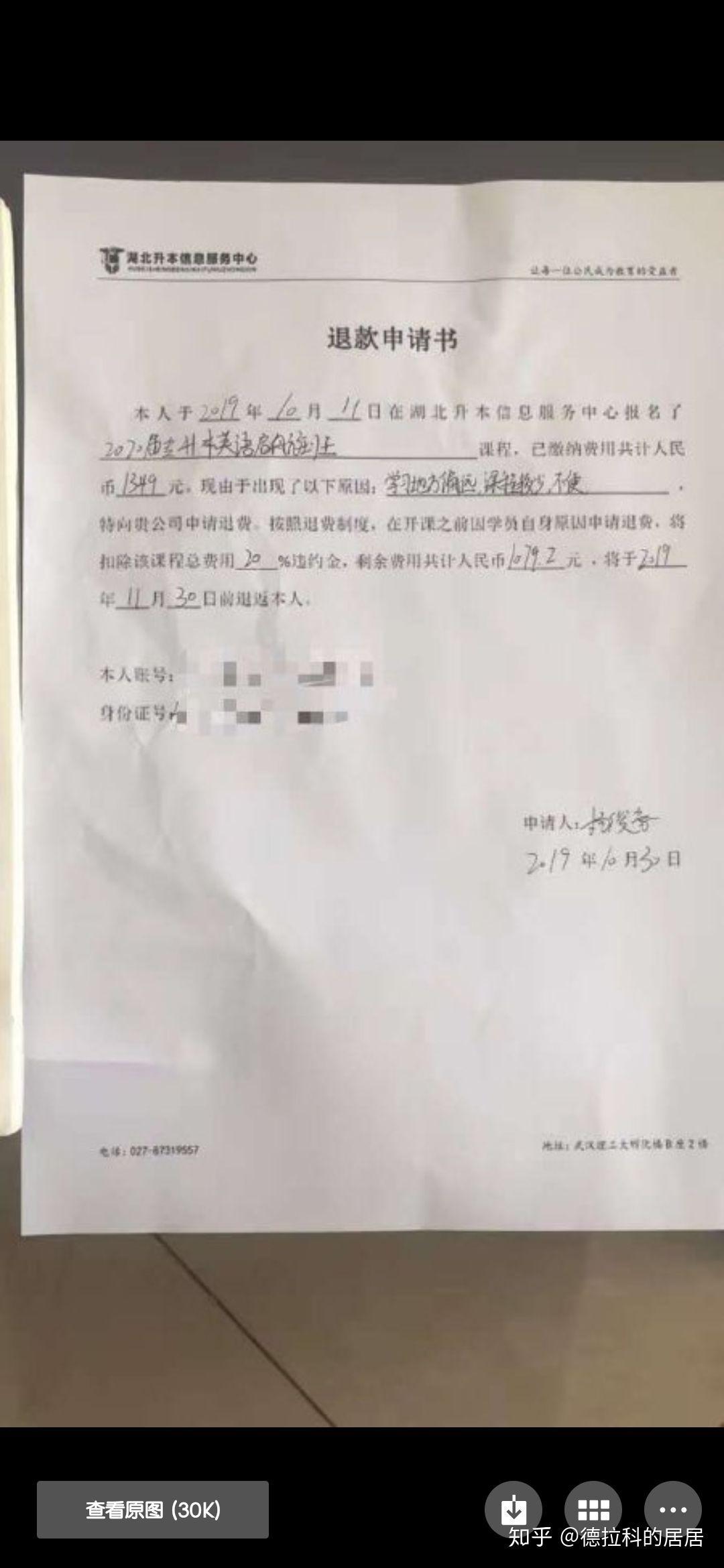
花近万元买网课却退费无门,转而求助律所维权,结果又被收走近万元——这听起来像是一个荒诞的故事,却是西安市民程桦(化名)真实经历的遭遇。这起网课退费维权事件,将近年来野蛮生长的"网推所"乱象推到了公众视野之前。
2025年2月,程桦在网上看到一则成人学历培训广告,缴纳10980元购买了行政管理课程。然而缴费后,对方始终未提供任何实质性课程服务,程桦多次要求退款均遭拒绝。无奈之下,他选择通过网络寻找律师介入维权,却没想到,麻烦才刚刚开始。
从"维权"到"被套":费用一路叠加
程桦先是被一家法律服务公司欺骗,随后又接触到湖南北岩(武汉)律师事务所。该所工作人员以热情的态度与他沟通,在电话中给他留下了良好印象,促使他决定签约委托。值得注意的是,双方签订的并非正式委托合同,而是一份名为《诉讼指导服务协议》的文件,服务内容以"代写文书""指导立案"为主,措辞模糊。
此后,律所套路收费的流程逐步展开:
- 签约当日:缴纳法律服务费 1680元
- 11月17日:缴纳保全费 3000元
- 11月19日:缴纳律师费 4000元
三笔费用合计 8680元,加上此前支出,程桦累计向律所交付 10680元。而该律所给出的理由始终如一:这些费用事后都可以"主张对方承担"。
"你这种案件,不用担心输的问题。"——律所徐助理在群中对程桦如此承诺。
然而,群里有13名工作人员"服务"程桦,却没有一人标注为律师身份,而且还存在一个致命的程序性问题:程桦与培训机构签订的合同明确约定纠纷解决方式为仲裁,而非诉讼,律所却始终推进的是法院起诉流程。几个月过去,案件毫无进展。
投诉施压,律所退款了事?
察觉被套路后,程桦对律所提出投诉。该所随后陆续退还了10300元,但同时要求程桦撤销投诉。为减少损失,程桦被迫答应。对于这一结局,律所工作人员的态度颇为轻描淡写——"钱已经退了,就没有纠纷了"。
律师事务所违规收费投诉的处理结果也已浮出水面:武汉市司法局已向湖北省司法厅报请吊销该律所的执业证书,但结果尚未落地。
这起案例折射出当前法律服务市场监管漏洞的现实。部分"网推所"以低门槛吸引消费者,随后通过模糊合同、分阶段收费的方式层层套取费用,本质上与其所针对的消费欺诈行为如出一辙。对于普通消费者而言,遭遇网课退费纠纷时,建议优先通过消费者协会、市场监管部门等正规渠道投诉,委托律师前务必核实其执业资质,警惕任何要求提前支付多笔费用的法律服务机构。
Seeking Legal Help After Online Course Refund Denial, Consumer Falls Into Law Firm's Layered Fee Trap
Paying nearly 10,000 yuan for an online course only to be denied a refund — then handing over almost the same amount to a law firm supposedly fighting for justice. It sounds absurd, yet this is exactly what happened to Cheng Hua (pseudonym), a worker in Xi'an. His experience with an online course refund dispute has thrown a spotlight on the growing misconduct of so-called "online-acquisition law firms" (网推所) in China.
In February 2025, Cheng was drawn in by an adult education advertisement online and paid 10,980 yuan for an administrative management course. After payment, the company provided no actual instruction or support. Repeated refund requests were denied. Desperate for help, Cheng turned to the internet to find legal representation — and that's when his troubles truly began.
From Seeking Justice to Being Scammed: A Cascade of Fees
After first being deceived by a legal services company, Cheng connected with Hunan Beiyan (Wuhan) Law Firm. A staff member won him over during a phone call, and he agreed to sign a contract. Notably, the agreement was not a standard legal representation contract, but a vaguely worded "Litigation Guidance Services Agreement" covering document drafting and filing assistance — leaving significant room for interpretation.
What followed was a textbook case of layered fee extraction by a law firm:
- Day of signing: Legal service fee of 1,680 yuan
- November 17: Asset preservation fee of 3,000 yuan
- November 19: Attorney's fee of 4,000 yuan
The three payments totaled 8,680 yuan, bringing Cheng's cumulative payments to the firm to 10,680 yuan. Each time, staff assured him these costs could be "claimed back from the opposing party."
"You don't need to worry about losing this case." — Staff member "Xu" reassured Cheng in a group chat.
The WeChat group created to "serve" Cheng included 13 law firm employees — none of whom were identified as licensed attorneys. A critical procedural flaw also went unaddressed: Cheng's original contract with the training company specified arbitration, not litigation, as the dispute resolution method. Yet the firm proceeded with court filings. Months passed without any case progress.
Complaint Filed, Refund Issued — Case Closed?
Once Cheng realized he had been manipulated, he filed a formal complaint against the firm. The law firm subsequently refunded 10,300 yuan — but demanded that Cheng withdraw his complaint in return. Facing further losses, he reluctantly agreed. The firm's response to the whole ordeal was dismissive: "The money has been returned, so there's no dispute."
The regulatory response to this illegal fee collection by a law firm has also been set in motion: the Wuhan Bureau of Justice has submitted a request to the Hubei Provincial Department of Justice to revoke the firm's operating license, though a final decision is still pending.
This case exposes a broader problem: regulatory gaps in China's legal services market. Some online-first law firms use low-barrier entry points to attract vulnerable consumers, then extract fees through ambiguous contracts and phased billing — ironically mirroring the very consumer fraud they claim to fight. For individuals facing online course refund disputes or similar issues, the safer path is to file complaints through official channels such as consumer protection associations or market regulators, verify any attorney's credentials before signing anything, and treat any firm requesting multiple upfront payments with serious caution.
发表评论