猪价跌至近七年新低:每斤仅5元多,养猪户还能撑多久?

2024年国内生猪价格跌至近七年最低点,每斤售价仅5元多,养猪户陷入亏损困境。本文分析猪价下跌的深层原因、对猪农和消费者的双面影响,以及未来猪肉价格走势研判,带你读懂这轮"猪周期"底部的真实处境。
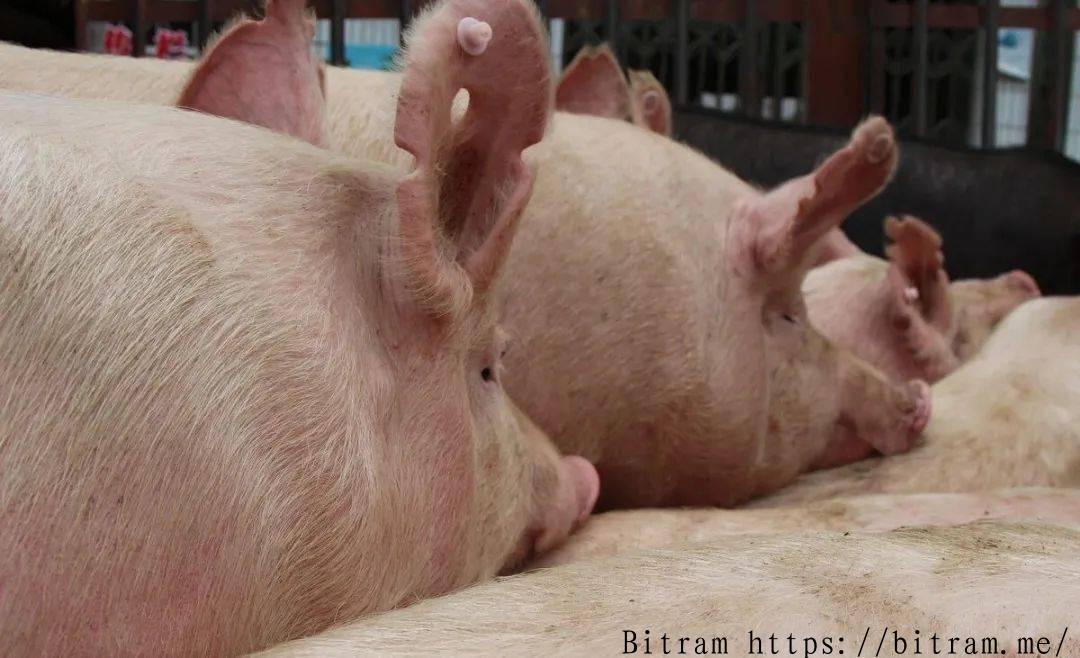
生猪价格近期持续走低,部分地区出栏价已跌破每斤5.5元,创下近七年以来的价格低点。这一数字对普通消费者而言或许意味着餐桌上的实惠,但对于千千万万的养猪户来说,却是一场难以为继的消耗战。
当前每斤5元多的生猪价格,已经低于多数规模养殖场的盈亏平衡线。业内普遍估算,目前养一头猪的综合成本折合出栏价约在每斤7至8元区间,这意味着每出栏一头标准体重的生猪,养殖户的亏损可能高达数百元。猪价创近七年新低,正在将行业推向新一轮深度洗牌的边缘。
为什么猪价会跌到这个地步?
这一轮猪价下跌,根源在于供需两端的严重失衡。
- 产能过剩是核心矛盾:2021至2022年猪价短暂高位期间,大量资本涌入养猪行业,规模化猪场扩产明显,产能积累在2023至2024年集中释放,市场供给远超需求。
- 消费端增长乏力:居民猪肉消费习惯正在悄然改变,鸡肉、牛肉、水产品等替代蛋白持续分流需求,整体猪肉消费量增速趋于平缓。
- 出口渠道有限:与大豆、玉米等农产品不同,生猪和猪肉的出口规模十分有限,国内过剩产能难以通过外部市场消化。
猪肉价格下跌对CPI有直接拉低作用,这在一定程度上也反映出当前国内消费价格整体偏弱的宏观背景。
猪农如何自救?行业拐点何时到来?
面对生猪养殖亏损的困境,中小散户的退出速度正在加快,部分地区能繁母猪存栏量已出现下降信号——这通常被视为猪价触底回升的先行指标。从历史上看,猪周期的底部往往伴随着大规模去产能,随后价格才会逐步修复。
当前形势下,养殖户能做的选择并不多:
- 主动压缩产能,减少补栏数量,降低持续亏损的敞口;
- 提升饲料转化效率,通过精细化管理压缩养殖成本;
- 等待周期反转,但这需要足够的现金流和抗风险能力来支撑。
对于消费者而言,短期内猪肉价格仍将维持相对低位,是"猪肉自由"难得的窗口期。但若产能去化如期推进,2025年下半年猪价存在阶段性反弹的可能性,届时零售端价格也将随之上行。
猪价跌至近七年低位,折射出的不只是一个行业的周期性困境,更是农业供给侧结构性调整的真实缩影。如何在低谷期保住有效产能、避免"一放就涨、一涨就进、一进就亏"的怪圈重演,是整个行业和政策层面共同面对的课题。
Pork Prices Hit 7-Year Low in China: Can Pig Farmers Survive at 5 Yuan Per Jin?
Live pig prices in China have continued to slide, with farmgate prices in some regions falling below 5.5 yuan per jin (500 grams) — the lowest level in nearly seven years. For ordinary consumers, this may translate into cheaper pork at the dinner table. But for the country's millions of pig farmers, it represents an increasingly unsustainable war of attrition.
At just over 5 yuan per jin, the current live pig price has already fallen below the break-even point for most commercial farms. Industry estimates suggest that the all-in cost of raising a pig to market weight works out to roughly 7–8 yuan per jin, meaning farmers are losing hundreds of yuan on every single hog they sell. Pork prices at a near seven-year low are pushing the industry toward another round of deep structural shakeout.
Why Have Prices Fallen This Far?
The current price slump stems from a severe imbalance between supply and demand.
- Overcapacity is the core issue: When prices briefly spiked in 2021–2022, a wave of capital flooded into the sector and large-scale farms aggressively expanded. That accumulated capacity hit the market in full force in 2023–2024, flooding supply well beyond what consumers could absorb.
- Sluggish demand growth: Chinese consumption habits are quietly shifting, with chicken, beef, and seafood increasingly substituting for pork. Overall pork consumption growth has flattened considerably.
- Limited export channels: Unlike soybeans or corn, live pigs and pork have minimal export capacity, leaving domestic oversupply with nowhere to go.
The decline in pork prices is directly weighing on China's CPI, reflecting a broader macroeconomic backdrop of subdued consumer price growth.
Can Farmers Survive? When Will the Cycle Turn?
Faced with persistent losses in pig farming, smaller and independent operators are exiting at an accelerating pace. In some regions, the number of breeding sows has already begun to decline — typically an early indicator that prices are approaching a bottom. Historically, the trough of the pig cycle is accompanied by significant capacity reduction, after which prices gradually recover.
For farmers still in the game, the options are limited:
- Proactively cut capacity — reduce restocking to limit ongoing losses;
- Improve feed conversion efficiency — use more precise management to squeeze down production costs;
- Wait for the cycle to turn — though this requires sufficient cash flow and financial resilience to hold on.
For consumers, pork prices are likely to remain relatively low in the near term, making this a rare window of affordable pork. However, if capacity reduction proceeds as expected, there is a possibility of a cyclical price rebound in the second half of 2025, which would eventually push retail prices higher.
Pork prices hitting a near seven-year low reflect more than just a cyclical crisis in one industry — they mirror the structural growing pains of China's agricultural supply side. How to preserve viable production capacity during the downturn, and break the recurring pattern of "prices rise, farmers rush in, farmers lose money," remains a shared challenge for the industry and policymakers alike.
发表评论