特朗普拟5月中旬访华与中国领导人会晤,中美元首外交重启在即

美国总统特朗普宣布计划于5月14日至15日访问中国,并与中国领导人举行会晤。中国外交部发言人林剑证实,中美双方就特朗普访华事宜保持沟通,并强调元首外交对中美关系具有不可替代的战略引领作用。此次访问若成行,将是近年来中美关系的重要外交节点。
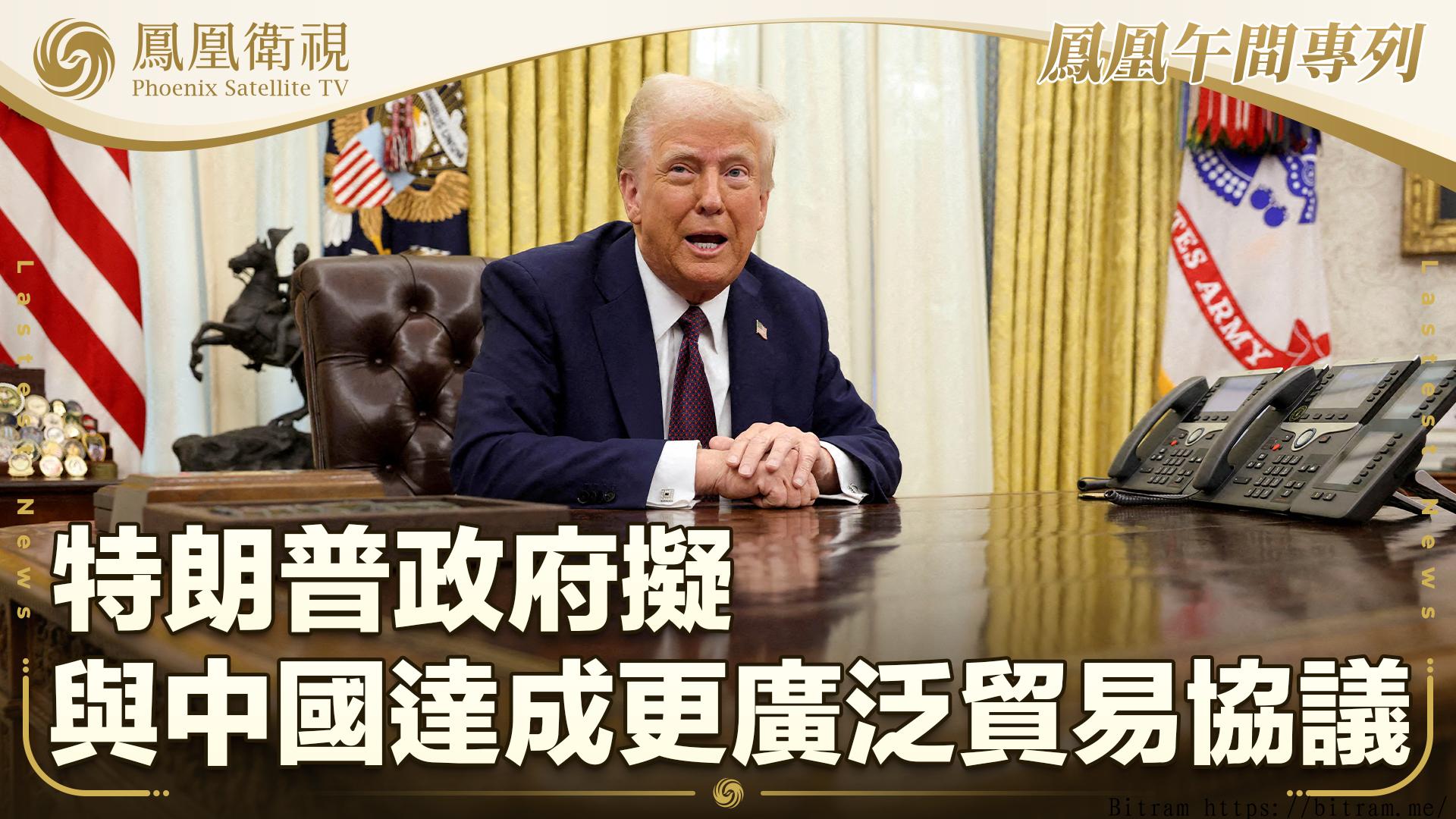
近日,美国总统特朗普对外透露,他计划于5月14日至15日前往中国访问,并在北京与中国领导人举行正式会晤。这一消息迅速引发国际社会广泛关注。对此,中国外交部发言人林剑在3月26日的例行记者会上作出回应,明确表示中美双方目前正就特朗普访华一事保持积极沟通,措辞审慎而务实。
林剑同时强调,元首外交对推动中美关系发展发挥着不可替代的战略引领作用。这一表述意味着,北京方面并未否认此次访问的可能性,而是以外交惯例语言为双方留下了足够的协商空间。
中美关系的关键节点
如果此次访问最终成行,将成为近年来中美高层外交互动的重要里程碑。近年来,受多重因素影响,中美关系在贸易、科技、地缘政治等领域持续承压。两国领导人的直接会晤,历来被视为稳定双边关系、管控分歧的最有效途径之一。
值得关注的是,特朗普本人主动对外公布访华计划,在外交惯例上较为罕见——通常此类访问会在双方充分磋商并确认细节后才对外正式宣布。这或许反映出特朗普政府在对华政策上的一种主动姿态,也可能是其惯用的公开施压与谈判风格的延续。
访问背后的外交信号
从更宏观的视角来看,中美元首外交此时重新提上日程,背景颇为复杂:
- 中美贸易摩擦持续,双方在关税问题上尚存较大分歧
- 台湾、南海等地缘政治敏感议题依然高度关注
- 全球经济不确定性上升,两国均面临稳定外部环境的现实需求
- 特朗普政府执政以来,已与多国领导人密集展开外交互动
"元首外交对中美关系发挥着不可替代的战略引领作用。"——外交部发言人 林剑
这句表态言简意深。它一方面肯定了峰会外交的价值,另一方面也隐含着:唯有最高层的直接沟通,才能真正推动当前复杂的中美双边关系走向稳定。
目前,访问的具体日程和议题尚未得到双方官方正式确认。外界将持续关注后续外交动向,以判断这次潜在的中美峰会能否如期举行,以及将释放怎样的政策信号。总体而言,无论结果如何,此次沟通本身已传递出一个积极信号:在当前复杂的国际局势下,中美两国仍在寻求通过对话管理分歧、稳定关系。
Trump Plans Mid-May Visit to China for Summit Talks, Beijing Confirms Ongoing Communication
US President Donald Trump has publicly announced his intention to visit China on May 14–15, with plans to hold a formal summit meeting with Chinese leadership in Beijing. The announcement quickly drew international attention. In response, Chinese Foreign Ministry spokesperson Lin Jian addressed the matter at a routine press briefing on March 26, confirming that the two sides are currently maintaining communication regarding the proposed visit — a carefully worded but meaningful acknowledgment.
Lin Jian also emphasized that summit diplomacy plays an irreplaceable strategic role in guiding the overall trajectory of China-US relations. By framing the situation this way, Beijing neither confirmed nor denied the visit outright, leaving ample room for further diplomatic negotiation through established channels.
A Potential Milestone in China-US Relations
Should the visit ultimately take place, it would mark a significant milestone in China-US high-level diplomatic engagement in recent years. Bilateral relations have faced sustained pressure across trade, technology, and geopolitical fronts. Direct leader-to-leader meetings have historically been regarded as one of the most effective mechanisms for stabilizing ties and managing deep-rooted disagreements.
Notably, Trump's decision to publicly announce the trip before formal confirmation from both sides is somewhat unusual in diplomatic practice — such visits are typically announced only after extensive back-channel consultations. This may reflect the Trump administration's assertive posture on China policy, or simply be consistent with Trump's well-documented style of using public announcements as a negotiating tool.
The Diplomatic Signals Behind the Visit
Viewed against a broader backdrop, the prospect of China-US summit diplomacy returning to the agenda comes amid considerable complexity:
- Ongoing trade frictions, with significant gaps remaining on tariff-related issues
- Persistent sensitivities around Taiwan, the South China Sea, and other geopolitical flashpoints
- Rising global economic uncertainty, creating shared incentives for both nations to stabilize the external environment
- The Trump administration's active pursuit of high-level diplomatic engagement with multiple world leaders since taking office
"Summit diplomacy plays an irreplaceable strategic role in guiding China-US relations." — Foreign Ministry Spokesperson Lin Jian
This statement, though brief, carries considerable weight. It affirms the value of leader-level dialogue while implying that only direct communication at the highest level can meaningfully move China-US bilateral relations toward greater stability.
At this stage, neither the specific agenda nor the official schedule has been formally confirmed by either government. The international community will be watching closely to see whether this potential China-US summit proceeds as signaled — and what policy messages it may carry. Regardless of the outcome, the very fact that both sides are communicating on this matter sends a constructive signal: even amid a complex and often contentious relationship, both Washington and Beijing continue to seek dialogue as a means of managing differences and maintaining a degree of stability.
发表评论