柯文哲京华城案一审宣判:被判17年,四大罪名坐实政商弊案始末

台湾民众党前主席柯文哲因涉京华城容积率弊案及政治献金公益侵占等四大罪名,于2025年一审被台北地方法院判处17年有期徒刑。本文梳理案件始末,分析此案对台湾政坛的深远影响,以及柯文哲从政治明星到阶下囚的跌落轨迹。
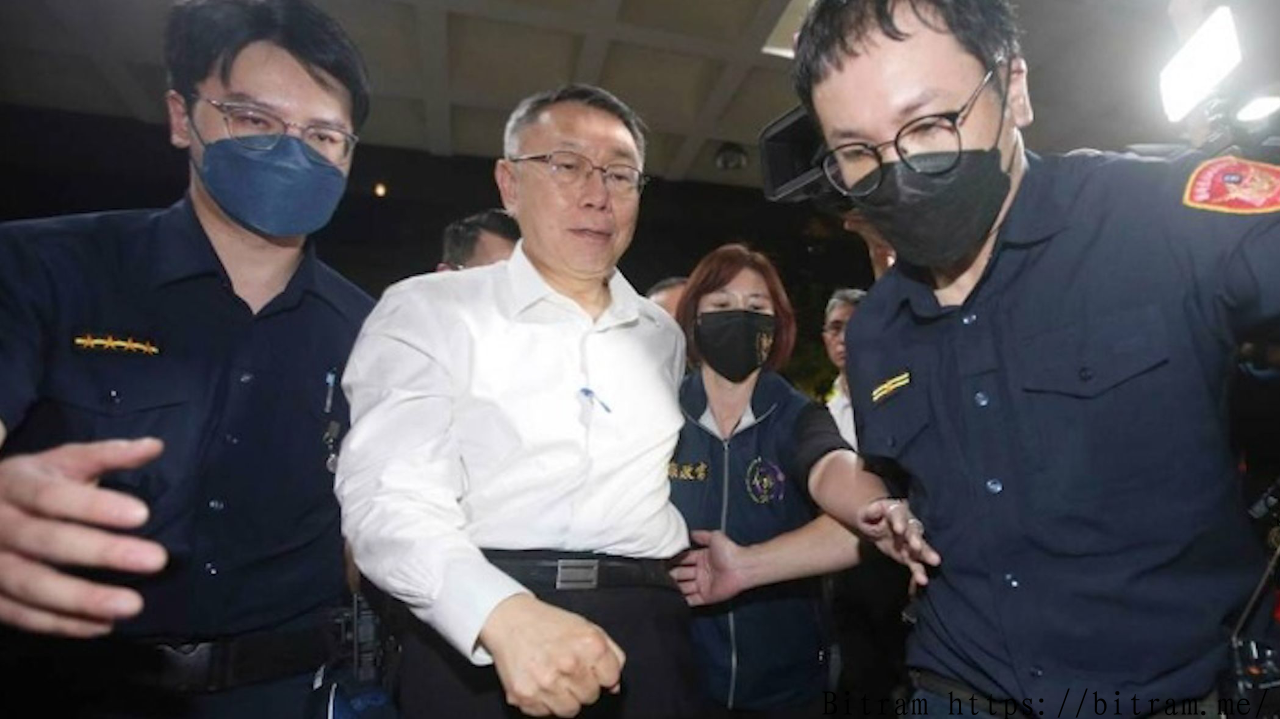
台湾政坛震荡。台北地方法院就柯文哲涉京华城容积率弊案、政治献金公益侵占案作出一审判决,前台湾民众党主席柯文哲被裁定四项罪名成立,判处有期徒刑17年。这一判决结果,为这场持续近一年的重大司法案件画下了阶段性句号,也标志着这位曾经的台湾政治明星正式以罪犯身份载入史册。
案件的核心,是柯文哲在担任台北市长期间,被指控介入京华城商业开发项目的容积率审批,涉嫌为特定开发商违规提高建筑容积奖励,从而谋取不当利益。与此同时,其名下的政治献金账目亦被查出涉嫌公益侵占,资金流向与用途均存在重大疑点。
从逮捕到起诉:案件关键时间线
这场法律风暴来势汹汹,进展之迅速令外界瞩目:
- 2024年8月30日:检廉单位同步搜查柯文哲住所、办公室及民众党中央党部
- 2024年8月31日:柯文哲遭当庭逮捕,震惊岛内政坛
- 2024年9月5日:台北地方法院裁定对其羁押禁见,切断与外界联系
- 2024年12月26日:台北地检署宣告侦查终结,以违背职务收贿、图利、公益侵占、背信等四项罪名正式起诉柯文哲等11名被告,检察官求刑高达28年6个月
检方的求刑力度之重,折射出检察官对案情严重性的高度判断。最终法院判决的17年虽低于求刑,但仍属重刑,足以令其在政治上彻底出局。
政治明星的陨落与台湾政治生态的警示
柯文哲曾以"素人从政"的清廉形象打动无数台湾选民,两度赢得台北市长选举,并于2023年创立台湾民众党,一度在2024年台湾地区领导人选举中获得相当声势。然而,京华城弊案的曝光彻底撕开了这层形象包装,将其推向了截然相反的命运轨道。
此案不仅是对柯文哲个人的司法审判,更是对台湾政坛长期存在的"政商勾连"潜规则的一次正面冲击。
值得关注的是,政治献金监管漏洞问题在此案中被进一步放大。政治献金本应受到严格法规约束,但相关账目的不透明操作显示,现行制度在执行层面仍存明显短板。这或将推动台湾立法机构重新审视并强化相关监管法规。
一审判决之后,案件预计将进入二审程序,最终结果仍有变数。但无论后续司法走向如何,柯文哲案已成为台湾战后政治史上最具标志性的腐败案件之一,其深远影响将持续发酵。柯文哲京华城案的一审宣判,既是个人政治生命的终结,也是台湾司法独立性的一次重要检验。
Ko Wen-je Sentenced to 17 Years in Prison: Taipei Court Delivers Verdict on Jing Hua City Corruption Case
Taiwan's political landscape has been sent into turmoil. The Taipei District Court has delivered its first-instance verdict in the case involving former Taiwan People's Party (TPP) chairman Ko Wen-je, finding him guilty on four counts related to the Jing Hua City floor area ratio scandal and the misappropriation of political donations. Ko Wen-je has been sentenced to 17 years in prison, marking a watershed moment in what has been one of Taiwan's most high-profile political corruption cases in recent memory — and sealing the fate of a man who once styled himself as a clean-handed political outsider.
At the heart of the Ko Wen-je corruption case is the allegation that, during his tenure as Taipei City mayor, Ko improperly intervened in the approval process for Jing Hua City's commercial development project, allegedly facilitating unlawfully inflated floor area ratio bonuses for specific developers in exchange for personal gain. Separately, his political donation accounts were found to contain evidence of misappropriation, with serious questions raised over the movement and use of funds.
Key Timeline: From Arrest to Conviction
The legal proceedings unfolded at a striking pace, drawing intense public scrutiny at every turn:
- August 30, 2024: Prosecutors and anti-corruption investigators simultaneously raided Ko's residence, offices, and TPP party headquarters
- August 31, 2024: Ko Wen-je was arrested in court, sending shockwaves through Taiwan's political circles
- September 5, 2024: The Taipei District Court ordered Ko held in detention incommunicado, severing his contact with the outside world
- December 26, 2024: The Taipei District Prosecutors Office announced the conclusion of its investigation, formally indicting Ko and 10 co-defendants on four charges — breach of duty bribery, profiteering, misappropriation of public interest funds, and breach of trust — seeking a combined sentence of 28 years and 6 months
The severity of the prosecution's sentencing demand reflected its assessment of the case's gravity. While the court's final verdict of 17 years fell short of the maximum sought, it nonetheless constitutes a heavy sentence that effectively ends Ko's political career for good.
The Fall of a Political Star — and a Warning to Taiwan's Political Ecosystem
Ko Wen-je once captivated Taiwan's voters with an image built on civic integrity and outsider credentials, winning the Taipei mayoral race twice before founding the Taiwan People's Party in 2023 and mounting a notable campaign in the 2024 presidential election. Yet the exposure of the Jing Hua City scandal shattered that carefully cultivated image, sending him down a radically different path.
This case is not merely a legal judgment against one individual — it represents a direct confrontation with the entrenched culture of political-business collusion that has long plagued Taiwan's governance.
The case has also thrown a spotlight on systemic loopholes in political donation oversight. While political contributions are nominally subject to strict regulations, the opaque handling of funds revealed in this case exposes persistent gaps in enforcement. There is growing expectation that Taiwan's legislature will face renewed pressure to review and strengthen the relevant regulatory framework.
With the first-instance ruling now delivered, the case is expected to proceed to appeal, leaving the final outcome still uncertain. But regardless of how future proceedings unfold, the Ko Wen-je case has already secured its place as one of the most consequential political corruption cases in postwar Taiwan history. The first-instance verdict in the Ko Wen-je Jing Hua City case marks not only the end of a political career, but a significant test of Taiwan's judicial independence.
发表评论