胡塞武装首次导弹袭击以色列,专家警告中东战火加速向外蔓延

也门胡塞武装于3月28日首次对以色列发动导弹袭击,军事专家分析指出,此举是伊朗盟友体系向外界发出的明确警告信号。若中东局势持续升级,胡塞武装或将扩大红海行动,并不排除封锁霍尔木兹海峡与曼德海峡,对全球能源与航运体系构成严重威胁。
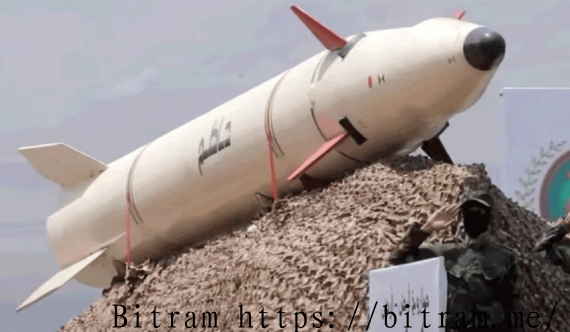
3月28日,也门胡塞武装宣布首次对以色列境内目标发动弹道导弹袭击,声称打击对象为以色列境内的"重要军事目标"。胡塞武装将此次行动定性为对当前地区局势升级的回应,并特别点名黎巴嫩、伊朗、伊拉克和巴勒斯坦所受到的军事打压。这是胡塞武装在本轮中东冲突中首次直接向以色列动手,标志着中东战局的烈度出现新的拐点。
强硬信号背后:胡塞武装意在传递什么?
在伊朗所领导的"抵抗轴心"中,也门胡塞武装被普遍认为是综合军事实力最强的成员。此次导弹袭击的实际战术意义或许有限,但其政治与战略信号价值不可小觑。军事分析人士指出,胡塞武装此举意在清晰表态:一旦美国和以色列继续对伊朗及其盟友展开军事打击,胡塞武装将在红海区域全面介入,与伊朗形成联动作战态势。
这一表态不仅是立场的宣示,更是实力的展示。胡塞武装已具备持续向以色列境内发射导弹与无人机的能力,并在过去数月内对红海国际航运造成了实质性干扰。此次袭击进一步证明,红海航运安全风险正在与以巴冲突深度捆绑,任何地区局势的升级都可能在海上通道产生连锁反应。
最坏情景:封锁双峡,冲击全球能源与航运
分析人士提出了一个值得高度警惕的极端情景:若美国对伊朗采取地面军事行动,伊朗与胡塞武装可能协调联动,同时关闭霍尔木兹海峡与曼德海峡。
这两条水道的战略价值极为突出:
- 霍尔木兹海峡:全球约20%的石油贸易经此通道,一旦封锁,国际油价将面临剧烈冲击
- 曼德海峡:连接红海与印度洋,是欧亚贸易的关键节点,封锁将迫使大量船只绕行非洲南端,航运成本大幅攀升
中东地区的战火已显现出向外快速蔓延的明显趋势,局势的复杂程度与不确定性远超单一冲突的范畴。
当前局势的核心矛盾在于:以色列与伊朗之间的直接对抗,叠加美国的深度介入,已逐步将胡塞武装、黎巴嫩真主党等区域力量全部卷入同一冲突轨道。中东地区能否避免一场更大规模的多方战争,将在很大程度上取决于各方是否还存在谈判与克制的意愿。若局势继续失控,全球能源市场、国际航运体系乃至大国博弈格局都将面临深刻重塑。
Houthis Launch First Missile Strike on Israel: Experts Warn Middle East Conflict Is Spreading Beyond Borders
On March 28, Yemen's Houthi forces announced their first-ever ballistic missile strike against targets inside Israel, describing the attack as hitting "significant military targets." The group framed the operation as a direct response to escalating regional tensions, specifically citing military actions against Lebanon, Iran, Iraq, and Palestine. As the Houthis' first direct strike on Israel in this round of Middle East conflict, the attack signals a new and dangerous inflection point in the broader regional war.
The Strategic Message Behind the Strike
Within the Iran-led "Axis of Resistance," the Houthis are widely regarded as the most capable military force. While the tactical impact of a single missile strike may be limited, its political and strategic significance is substantial. Military analysts suggest the move sends an unmistakable message: should the United States and Israel continue military operations against Iran and its allies, the Houthis stand ready to escalate full-scale in the Red Sea, operating in coordination with Iranian forces.
This is not merely a declaration of intent — it is a demonstration of capability. The Houthis have already proven their ability to sustain drone and missile attacks toward Israeli territory, and have caused significant disruption to international shipping in the Red Sea over recent months. The latest strike reinforces a troubling reality: Red Sea maritime security is now deeply intertwined with the Israeli-Palestinian conflict, meaning any regional escalation risks triggering cascading effects across vital sea lanes.
Worst-Case Scenario: Dual Chokepoint Closure and Global Disruption
Analysts have raised a scenario that demands serious attention: if the United States launches ground military operations against Iran, Tehran and the Houthis could coordinate to simultaneously close both the Strait of Hormuz and the Bab el-Mandeb Strait.
The strategic significance of these two waterways cannot be overstated:
- Strait of Hormuz: Approximately 20% of global oil trade passes through this chokepoint — a blockade would send international energy prices into freefall
- Bab el-Mandeb Strait: The gateway between the Red Sea and the Indian Ocean, this corridor is critical to Eurasian trade; closure would force vessels to reroute around the southern tip of Africa, dramatically increasing shipping costs and timelines
The fires of conflict in the Middle East have already begun to spread beyond the region's borders at an alarming pace, with a complexity and uncertainty that far exceeds any single bilateral confrontation.
The core tension driving current events is this: the direct confrontation between Israel and Iran, compounded by deep U.S. involvement, has gradually drawn the Houthis, Hezbollah, and other regional actors into a single, interlocking conflict. Whether the Middle East can avoid a far larger, multi-party war will depend largely on whether the key players retain any willingness to negotiate and exercise restraint. Should the situation continue to spiral, global energy markets, international shipping networks, and the broader dynamics of great-power competition all face the prospect of profound and lasting disruption.
发表评论