楼市止跌回暖,经济学家建议年轻人抓住时机积极考虑买房

知名经济学家贾康在2025年中关村论坛上指出,当前房地产市场已出现止跌回暖信号,30城新房成交量同比上涨18%。对于有购房需求的年轻人来说,这或许是一个值得认真考量的入场时机。本文分析楼市现状与购房建议。
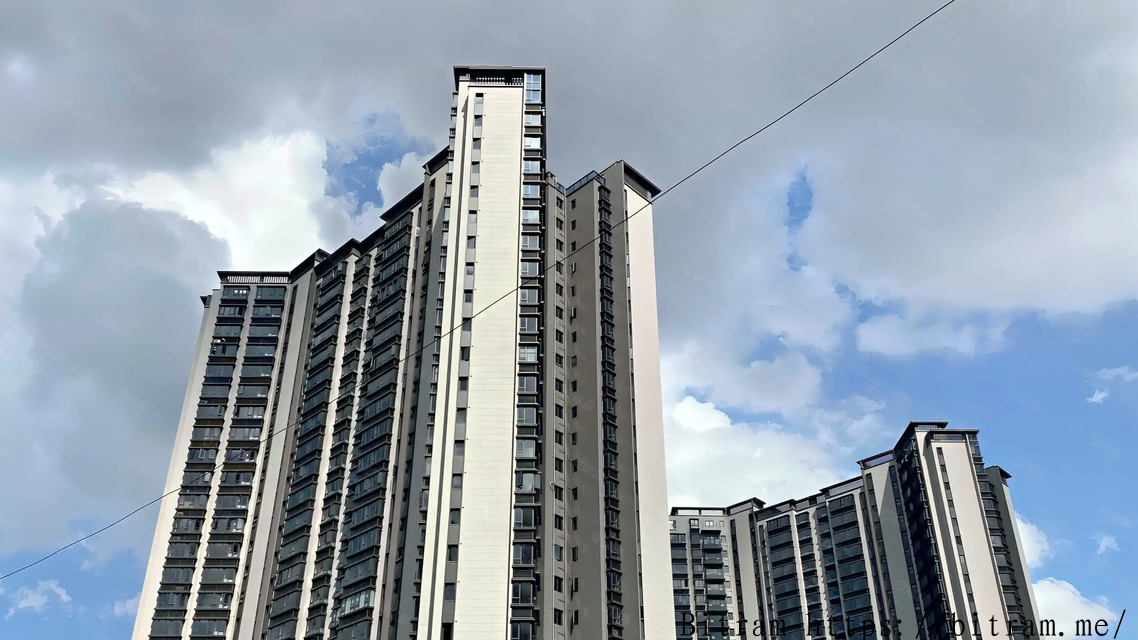
在经历了近两年的持续调整之后,中国房地产市场正在释放出一些值得关注的积极信号。经济学家贾康在近期举办的中关村论坛上公开表态:对于手头有自有资金、且有真实居住需求的年轻人而言,当前是积极考虑购房入市的合适时机。这一判断的背后,有一组数据在支撑——全国30个重点城市新房成交量同比增幅达到18%,楼市止跌回暖的趋势初步形成。
这不是一句简单的"快去买房",而是一个基于市场周期的理性判断。楼市回暖信号的出现,意味着此前压制市场的悲观预期正在边际改善,部分城市的成交量与价格已率先企稳。对于此前因观望而迟迟未动的刚需购房者来说,持续等待的机会成本正在悄然上升。
数据说话:楼市底部特征正在显现
观察一轮完整的房地产周期,底部往往不是某一个精确的时间点,而是一段"磨底"区间。当前市场呈现出几个值得关注的底部特征:
- 成交量先于价格回升:30城新房成交同比上涨18%,量的修复通常领先于价格的稳定
- 政策面持续发力:限购放开、房贷利率下调、以旧换新等措施持续推进,购房门槛明显降低
- 房企库存压力缓释:部分核心城市去化周期开始收缩,供需关系趋于改善
成交量的回升是楼市企稳最直接的先行指标,18%的同比增幅意味着真实购买需求正在被激活。
当然,"回暖"并不等于"全面反弹"。城市之间的分化依然明显,一线及强二线城市的修复节奏远快于三四线城市。首次置业的年轻人在选择城市和区域时,仍需保持审慎,避免在需求支撑不足的市场盲目跟风。
年轻人该怎么看这个建议?
贾康的表态之所以引发关注,在于他明确强调了两个前提:自有资金与心仪住房。这两个词背后藏着重要的逻辑——这不是在鼓励加杠杆炒房,而是在提醒有真实居住需求、且资金已经准备好的年轻人,不必再过度等待市场触底的那个"完美时刻"。
对于年轻人购房决策而言,有几点值得独立思考:
- 需求是否真实:是自住刚需还是投资冲动,买房前需要想清楚
- 资金是否健康:首付比例、月供压力是否在可承受范围内,避免因过度负债影响生活质量
- 城市是否有支撑:选择有人口净流入、产业基础扎实的城市,资产保值的逻辑更为稳固
房地产市场从来都不是非此即彼的选择题。贾康的建议提供了一个思考维度,但最终的购房决策仍需结合个人的财务状况、生活规划和城市判断综合权衡。楼市止跌回暖的窗口期或许已经开启,但理性入市永远比抢先入市更重要。
Housing Market Shows Signs of Recovery: Economist Advises Young Buyers to Consider Entering the Market
After nearly two years of sustained correction, China's real estate market is sending out encouraging signals worth paying attention to. At a recent Zhongguancun Forum, economist Jia Kang made a public statement that for young people who have their own funds ready and a genuine need for housing, now is an appropriate time to seriously consider entering the property market. Supporting this view is a telling statistic: new home transaction volumes in 30 major cities rose 18% year-on-year, suggesting the market's downward trend is beginning to reverse.
This isn't a simple call to "go buy a house." It's a rational assessment grounded in market cycle analysis. The emergence of housing market recovery signals indicates that the pessimistic sentiment that had been suppressing the market is gradually improving at the margin, with transaction volumes and prices in some cities already stabilizing. For first-time buyers who have been sitting on the sidelines, the opportunity cost of continued waiting is quietly rising.
The Data Speaks: Signs of a Market Bottom Are Emerging
In a complete real estate cycle, the bottom is rarely a single precise moment — it's typically a prolonged "bottoming out" phase. The current market is displaying several characteristics consistent with a cyclical low:
- Transaction volumes recovering ahead of prices: The 18% year-on-year increase in new home sales across 30 cities signals that volume typically leads price stabilization
- Sustained policy support: Measures including the relaxation of purchase restrictions, lower mortgage rates, and trade-in programs have meaningfully reduced barriers to homeownership
- Easing inventory pressure: In some core cities, the inventory absorption cycle is beginning to shorten, pointing to improving supply-demand dynamics
The rebound in transaction volume is the most direct leading indicator of market stabilization. An 18% year-on-year increase suggests that genuine purchasing demand is being reactivated.
That said, "recovery" does not mean "across-the-board rebound." Divergence between cities remains significant, with Tier 1 and strong Tier 2 cities recovering far more quickly than Tier 3 and Tier 4 markets. First-time buyers should remain cautious when choosing a city or district, and avoid following trends blindly in markets where underlying demand is insufficient.
How Should Young People Interpret This Advice?
What made Jia Kang's remarks stand out was his explicit emphasis on two preconditions: personal funds and a desirable property. These two phrases carry important logic — this is not an encouragement to leverage up and speculate, but rather a reminder to young people who have a genuine housing need and are financially prepared that there's little reason to keep waiting for that "perfect" market bottom.
When it comes to home-buying decisions for young people, a few questions are worth thinking through independently:
- Is the need genuine? Clarify whether the motivation is for actual living purposes or driven by investment impulse
- Is the financial position healthy? Ensure that the down payment ratio and monthly mortgage payments are manageable, without compromising quality of life through excessive debt
- Does the city have solid fundamentals? Cities with net population inflows and strong industrial foundations offer more reliable long-term asset value
Real estate has never been a black-and-white decision. Jia Kang's comments offer one useful perspective, but any final home-buying decision should be weighed carefully against personal financial circumstances, life plans, and a clear-eyed view of the chosen city. The window of a stabilizing housing market may well be opening — but buying rationally will always matter more than buying first.
发表评论