伊朗革命卫队发出威胁:美以大学将成"合法袭击目标",中东局势再度升级

伊朗伊斯兰革命卫队公开宣称,以色列和美国在西亚地区的大学将成为"合法的袭击目标",起因是伊朗科技大学遭受空袭。此次威胁标志着中东局势进一步升温,美伊以三方对抗态势持续加剧,国际社会高度关注局势走向。
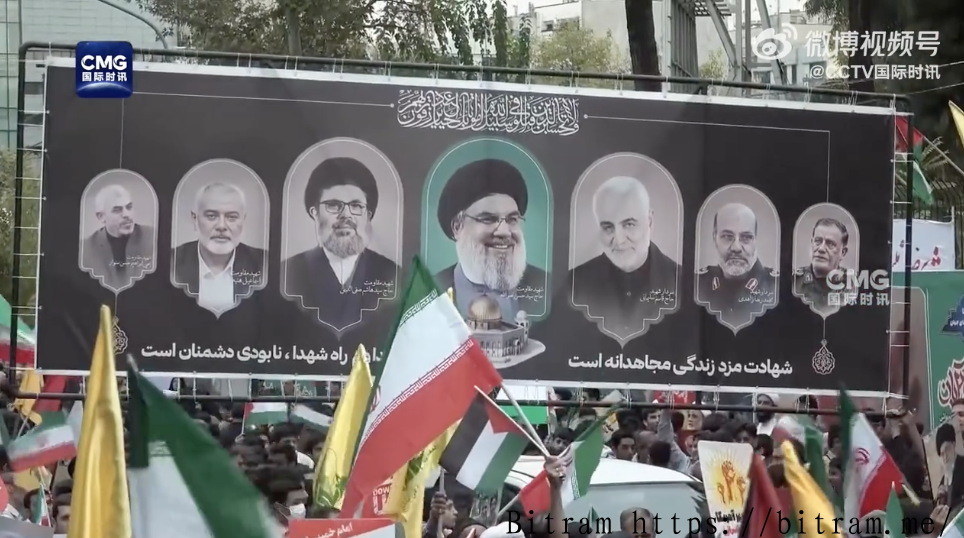
伊朗伊斯兰革命卫队于当地时间29日凌晨正式发布公告,明确将以色列和美国在西亚地区的大学列为"合法的袭击目标"。这一强硬表态发生在德黑兰伊朗科技大学遭受空袭后不足24小时,措辞之激烈、指向之明确,令国际社会为之警惕。
此次威胁的直接导火索,是28日凌晨针对伊朗科技大学的空袭行动。这所位于德黑兰的高等学府在袭击中受损,伊朗方面将矛头直接指向美国与以色列。革命卫队的逻辑是:既然伊朗的教育与科研机构已成为打击对象,那么美以两国在该地区的同类机构也理应承担相同风险。
威胁背后的战略信号
从战略层面来看,将大学列为"合法目标"并非单纯的情绪性回应,而是一种经过计算的威慑升级。大学往往承担着军事科研、技术人才培养等战略功能,将其纳入打击框架,实际上是在向对方传递"我方具备更广泛报复能力"的信号。
值得关注的长尾影响包括以下几点:
- 地区安全格局重塑:西亚地区的美军基地、以色列相关设施长期处于伊朗导弹射程内,大学目标的加入意味着潜在打击范围进一步扩大
- 外交斡旋空间收窄:此类公开声明一旦发出,将对任何可能进行的幕后谈判造成压力,双方都难以轻易后退
- 平民设施安全风险上升:大学属于民用教育机构,将其列为军事目标在国际法层面本身存在争议,可能引发更广泛的国际谴责
中东局势的结构性矛盾
此次事件并非孤立存在。近期中东地区的紧张态势持续累积——美以对伊朗军事及核相关设施的打压、伊朗代理力量在多国的活动、以及国际社会调停力量的相对失位,共同构成了这场危机的深层背景。
伊朗革命卫队的公开威胁,折射出德黑兰在战略受压情况下选择"以强硬对强硬"的一贯路径。然而,将教育机构纳入冲突框架,不仅模糊了军事与民用目标之间的界限,也可能将原本相对局部的冲突推向更难以管控的方向。
当大学成为战场上的筹码,受伤的不仅是建筑,更是国际秩序中关于平民保护的基本共识。
综合来看,伊朗革命卫队威胁美以大学一事是中东地区矛盾激化的最新缩影。局势能否降温,取决于各方是否有意愿在公开对抗升级之前重新打开对话窗口——而目前来看,这扇窗正在变得越来越窄。
Iran's IRGC Threatens US and Israeli Universities as "Legitimate Targets" Amid Escalating Middle East Tensions
In the early hours of the 29th local time, Iran's Islamic Revolutionary Guard Corps (IRGC) issued an official statement explicitly designating universities operated by Israel and the United States in the West Asia region as "legitimate targets for attack." This hardline declaration came less than 24 hours after a strike on the Iran University of Science and Technology in Tehran, sending a stark warning to the international community.
The immediate trigger was an airstrike in the early morning hours of the 28th that struck the Iran University of Science and Technology in the Iranian capital. Tehran placed direct blame on the United States and Israel. The IRGC's reasoning was straightforward: if Iran's educational and scientific institutions are being targeted, then comparable institutions belonging to the US and Israel in the region should face the same risk.
The Strategic Signal Behind the Threat
From a strategic perspective, designating universities as "legitimate targets" is not merely an emotional reaction — it represents a calculated escalation of deterrence. Universities often serve strategic functions, including military research and the cultivation of technical talent. By incorporating them into a potential strike framework, Iran is effectively signaling that it possesses a broader capacity for retaliation.
Key downstream implications include:
- Reshaping regional security dynamics: US military installations and Israeli-affiliated facilities in West Asia have long been within range of Iranian missiles; adding universities to the target list signals an even wider potential strike radius
- Narrowing diplomatic space: Once such public declarations are made, they place enormous pressure on any behind-the-scenes negotiations, making it harder for either side to back down
- Rising risk to civilian infrastructure: Universities are civilian educational institutions, and designating them as military targets is legally contentious under international law, likely inviting broader international condemnation
The Structural Contradictions Driving the Middle East Crisis
This incident does not exist in a vacuum. Tensions in the region have been steadily building — US and Israeli pressure on Iran's military and nuclear-related facilities, the activities of Iranian proxy forces across multiple countries, and the relative absence of effective international mediation together form the deeper backdrop to this crisis.
The IRGC's public threat reflects Tehran's consistent approach of responding to strategic pressure with its own show of force. However, drawing educational institutions into the framework of armed conflict not only blurs the line between military and civilian targets, but risks pushing what might otherwise be a contained conflict into far more unpredictable territory.
When universities become bargaining chips on the battlefield, the damage extends far beyond buildings — it strikes at the foundational international consensus on the protection of civilians.
In summary, the IRGC's threat to target US and Israeli universities is the latest manifestation of deepening tensions across the Middle East. Whether the situation can be de-escalated depends on whether all parties are willing to reopen channels for dialogue before public confrontation spirals further — and for now, that window appears to be closing fast.
发表评论