中东战事引爆全球氦气价格暴涨50%,韩国芯片巨头紧急抢购库存

中东局势持续紧张,霍尔木兹海峡航运受阻导致全球氦气供应链承压,氦气现货价格飙升超50%。三星、SK海力士等韩国半导体巨头正不惜高价抢购库存,氦气供应危机正向芯片制造、医疗设备等多个高端产业蔓延,市场短期内难以恢复平衡。
中东地区持续升温的冲突局势,正在以意想不到的方式冲击全球高科技供应链。其中,氦气价格暴涨超过50% 成为近期大宗商品市场最受关注的异动之一。这场价格风暴的核心导火索,是霍尔木兹海峡的航运安全问题——这条承担着全球重要能源及特种气体运输任务的咽喉水道,因战事风险而严重受阻,直接切断了部分关键氦气货源的供给通道。
氦气并非普通工业气体,它在半导体晶圆制造、MRI医疗设备、光纤生产及航天技术等高精尖领域不可替代。全球氦气资源高度集中,卡塔尔、美国和俄罗斯合计占据绝大部分产能,任何一个关键节点的中断都可能对下游产业造成连锁冲击。
芯片巨头率先承压,不惜代价保供
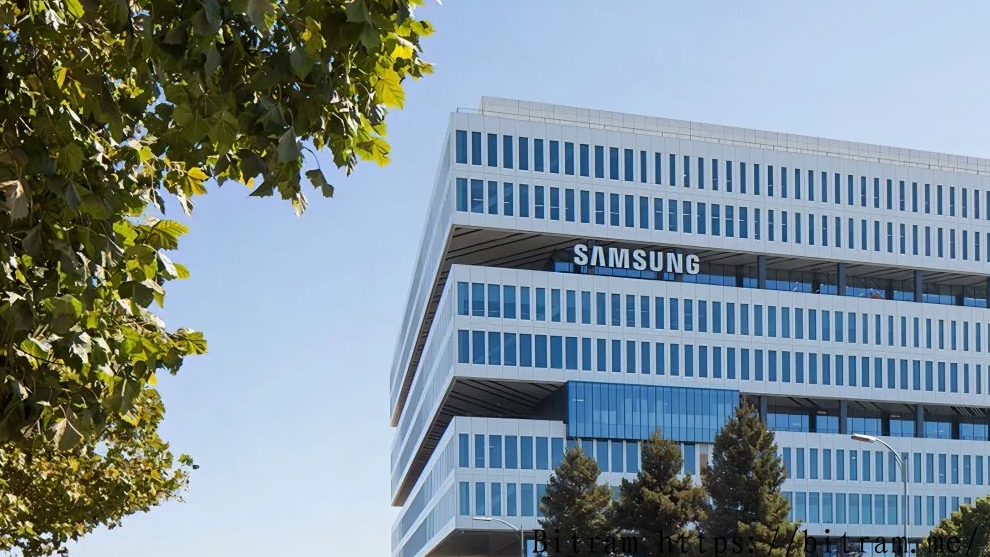
面对氦气现货价格的急速攀升,三星电子和SK海力士这两家全球顶级存储芯片制造商已率先感受到压力。芯片晶圆的蚀刻与清洁工艺对氦气纯度和供应稳定性要求极高,任何断供都可能直接导致生产线停摆。为此,两家企业正以高于市场正常水平的价格积极锁定库存,试图在价格进一步上涨或供应进一步收紧之前建立足够的安全缓冲。
这种"不计成本"的抢购行为,反过来进一步推高了市场价格,形成一定程度的恐慌性囤积效应。对于中小型企业和新兴市场的采购方而言,被大客户挤出市场的风险正在加剧。
供应危机如何向更广泛产业蔓延
氦气价格的剧烈波动,其影响远不止于半导体行业:
- 医疗行业:MRI设备依赖液态氦进行超导磁体冷却,医院采购成本将显著上升
- 光纤通信:光纤拉丝过程需要氦气作为保护气体,电信基础设施建设成本面临抬升
- 航空航天:火箭燃料系统的吹扫和检测同样依赖高纯氦气,商业航天成本压力加大
- 科研机构:高校和实验室的氦气使用预算将受到明显挤压
氦气是地球上少数无法通过化学合成获得的资源之一,一旦扩散到大气层便永久流失,其战略稀缺性往往在危机时刻才被充分认知。
从更宏观的视角来看,此次氦气价格波动是地缘政治风险向全球精密产业链传导的又一典型案例。单一航运通道的安全风险,足以在数周内重塑跨越多个行业的成本结构。各国政府和跨国企业对于关键特种气体的供应链多元化布局,已从战略议题变成了紧迫的现实课题。
本次氦气价格暴涨事件深刻揭示:在全球化深度交织的供应链体系下,地缘冲突的影响早已突破能源和粮食领域,延伸至半导体、医疗、通信等现代文明的核心支柱产业。如何构建更具韧性的关键原材料供应体系,是摆在各国决策者和企业管理者面前的共同挑战。
Middle East Conflict Triggers 50% Helium Price Surge as Korean Chipmakers Rush to Stock Up
The escalating conflict in the Middle East is sending shockwaves through global high-tech supply chains in ways few anticipated. Among the most striking developments in commodity markets is a surge of over 50% in helium spot prices — a dramatic spike with wide-ranging consequences. The immediate trigger is the disruption of shipping through the Strait of Hormuz, a critical chokepoint for global energy and specialty gas transport. With maritime risks mounting due to regional hostilities, key helium shipment routes have been effectively severed, tightening supply at a time when demand shows no signs of slowing.
Helium is far from an ordinary industrial gas. It is irreplaceable in high-precision applications including semiconductor wafer fabrication, MRI medical imaging, fiber optic production, and aerospace technology. Global helium reserves are heavily concentrated — Qatar, the United States, and Russia together account for the vast majority of world output — meaning any disruption at a critical node can trigger cascading effects across downstream industries.
Chipmakers Feel the Heat, Scramble for Supply
Samsung Electronics and SK Hynix, two of the world's leading memory chip manufacturers, are among the first to feel the squeeze. Semiconductor fabrication processes — particularly wafer etching and cleaning — demand extremely high purity helium and a stable, uninterrupted supply. A shortage could halt production lines outright. Both companies are now actively securing inventory at prices well above normal market rates, racing to build safety stockpiles before costs climb further or supplies tighten even more.
This aggressive, cost-insensitive buying behavior is itself amplifying price pressures, creating a degree of panic-driven hoarding in the market. For smaller buyers and emerging-market purchasers, the risk of being crowded out by deep-pocketed corporate giants is becoming very real.
How the Crisis Ripples Across Industries
The impact of volatile helium prices extends well beyond semiconductors:
- Healthcare: MRI machines rely on liquid helium to cool superconducting magnets; hospital procurement costs are set to rise significantly
- Fiber Optics: Helium is used as a shielding gas during fiber drawing, pushing up costs for telecommunications infrastructure
- Aerospace: High-purity helium is essential for purging and testing rocket fuel systems, adding pressure to commercial spaceflight economics
- Research Institutions: Universities and laboratories face mounting budget strain as helium expenses climb
Helium is one of the few resources on Earth that cannot be synthetically produced. Once it escapes into the atmosphere, it is lost forever — a strategic scarcity that tends to be fully appreciated only in moments of crisis.
From a broader perspective, this helium price shock is yet another textbook example of how geopolitical risk transmits through precision global supply chains. A security threat along a single shipping lane can restructure cost dynamics across multiple industries within a matter of weeks. For governments and multinationals alike, diversifying supply chains for critical specialty gases has shifted from a long-term strategic consideration to an urgent operational necessity.
The helium price crisis serves as a stark reminder that in today's deeply interconnected global economy, the shockwaves of regional conflicts reach far beyond energy and food — they now strike at the core pillars of modern civilization, including semiconductors, healthcare, and communications. Building more resilient supply chains for critical raw materials is a challenge that policymakers and corporate leaders can no longer afford to defer.
发表评论