飞天茅台"双价齐调":合同价涨至1269元、零售价涨至1539元,渠道商和消费者如何应对?

2026年3月31日起,飞天茅台销售合同价上调至1269元/瓶(涨幅8.55%),自营体系零售价上调至1539元/瓶(涨幅2.67%)。这是茅台时隔近两年半再次调整合同价,也是1499元零售指导价执行近九年后首度上调。本文解读此次"双价齐调"背后的市场逻辑、对渠道商利润的影响及白酒行业的深远意义。
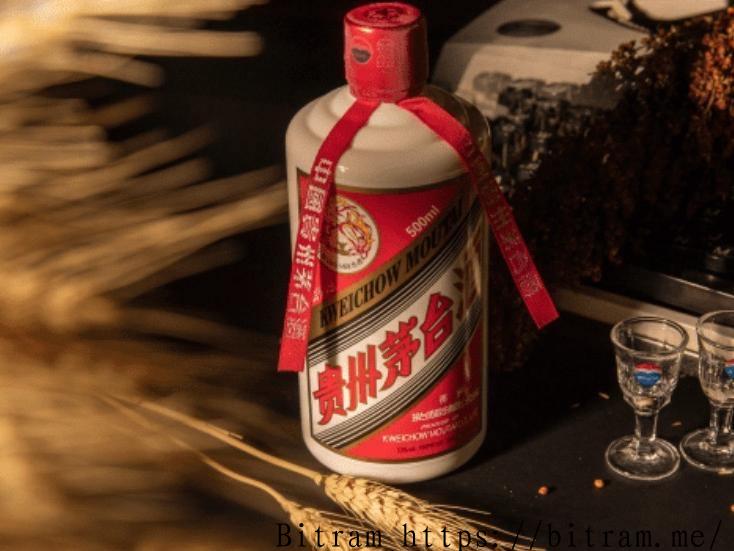
贵州茅台于2026年3月30日正式公告:自3月31日起,飞天53%vol 500ml贵州茅台酒的销售合同价由1169元上调至1269元,每瓶涨幅约8.55%;自营体系零售价由1499元上调至1539元,每瓶上调40元,涨幅约2.67%。这是飞天茅台销售合同价时隔近两年半的首次调整,也是其市场零售指导价自2018年确定以来,时隔近九年的首度上移,市场将此次变动称为"双价齐调"。
值得注意的是,就在公告发布当天,第三方平台数据显示,飞天茅台散瓶批价已同步上涨至约1545元/瓶,市场对此次调价的反应迅速而直接。
此次调价,茅台在下一盘什么棋?
从时间节点来看,此次调整并非偶然。贵州茅台自2025年底便持续推进市场化改革:今年1月,1499元飞天茅台正式登陆i茅台直销平台,同期官方明确提出"随行就市、相对平稳"的价格动态调整机制,这被业内视为茅台打破传统"固定出厂价"模式的关键一步。如今的双价联动,是这一改革逻辑的延续。
酒类分析师蔡学飞指出,在白酒行业整体价格承压的背景下,茅台选择逆势上调,本质上是要在批发市场真实交易价与官方建议零售价之间重新建立平衡点——一方面稳住渠道信心,另一方面通过直销放量收回定价主导权,逐步摆脱过去依赖渠道囤货炒作的旧模式。
"此次价格调整,标志着茅台正转向由真实消费和官方直营驱动的新价格形成机制。"——蔡学飞
对渠道商和消费者意味着什么?
对于长期承受渠道利润压缩之苦的经销商而言,此次合同价上调幅度虽然不小(8.55%),但结合零售指导价的同步上移,新的价格区间事实上为渠道商留出了更合理的利润空间,有助于稳定基本盘。
对于普通消费者而言,影响则相对有限,但需关注以下几点:
- i茅台渠道:零售价仅上调40元,日常购买成本增幅可控,但抢购难度依然较高——一季度近1400万新用户涌入,产品仍频频售罄。
- 线下渠道:批价已率先跟涨,实际到手价格可能高于官方零售价。
- 收藏投资属性:长远看,官方价格体系的规范化有助于抑制投机炒作,使茅台价格回归理性。
行业意义:头部品牌的逆势信号
在整体白酒消费下行、多个品牌面临去库存压力的当下,茅台此次"双价齐调"向市场释放了一个明确信号:头部品牌仍有能力通过市场化手段主动调节供需,这对提振行业信心具有重要示范效应。
飞天茅台价格调整的核心意义,不仅在于数字本身的变化,更在于它标志着贵州茅台的价格治理逻辑正在发生根本性转变——从行政式定价走向市场化定价,从渠道主导走向直营驱动。这一转变的成效,将在未来数个季度的销售数据和批价走势中得到检验。
Moutai's "Dual Price Hike": Contract Price Rises to ¥1,269, Retail Price to ¥1,539 — What It Means for Distributors and Consumers
On March 30, 2026, Kweichow Moutai officially announced that starting March 31, the contract price of its flagship product — Feitian Moutai (53% vol, 500ml) — would rise from ¥1,169 to ¥1,269 per bottle, an increase of approximately 8.55%. Simultaneously, the official retail price in Moutai's self-operated channels would increase from ¥1,499 to ¥1,539, up ¥40 per bottle, or roughly 2.67%. The contract price adjustment comes after nearly two and a half years without a change, while the retail guidance price had remained fixed since 2018 — nearly nine years. The market has dubbed this move a "dual price hike."
Notably, on the same day the announcement was made, third-party market data showed that the wholesale spot price of Feitian Moutai had already climbed to around ¥1,545 per bottle — a swift and direct market reaction.
What Is Moutai's Strategic Play?
This pricing move is far from accidental. Since late 2025, Kweichow Moutai has been steadily advancing its market-oriented reform agenda. In January 2026, the ¥1,499 Feitian Moutai was officially listed on the i-Moutai direct sales platform, accompanied by an official commitment to a "market-responsive, relatively stable" dynamic pricing mechanism — widely seen as a pivotal step away from Moutai's traditionally rigid fixed-price model. This dual price adjustment is a natural continuation of that reform logic.
Spirits industry analyst Cai Xuefei noted that against a backdrop of broad price pressure across the baijiu sector, Moutai's decision to raise prices runs counter to the trend. The core objective, he argues, is to re-establish equilibrium between real wholesale transaction prices and the official suggested retail price — shoring up distributor confidence on one hand, while reclaiming pricing authority through expanded direct sales on the other, gradually phasing out the old model of relying on channel stockpiling and speculative trading.
"This price adjustment signals that Moutai is transitioning to a new price-formation mechanism driven by genuine consumption and official direct sales." — Cai Xuefei
What Does This Mean for Distributors and Consumers?
For distributors who have long suffered from squeezed channel margins, the contract price hike of 8.55% is significant. But paired with the upward revision of the official retail price, the new pricing range effectively restores a more reasonable profit margin for the distribution network, helping stabilize Moutai's commercial foundation.
For everyday consumers, the direct impact is relatively modest — but several factors are worth watching:
- i-Moutai channel: The retail price increase of just ¥40 keeps the cost increment manageable, though availability remains tight. In Q1 2026 alone, nearly 14 million new users joined the platform and products continue to sell out regularly.
- Offline channels: Wholesale prices have already moved higher, meaning actual purchase prices may exceed the official retail guidance.
- Collectible and investment value: In the long run, a more formalized official pricing structure should help curb speculative behavior and guide Moutai's market price back toward rational levels.
Industry Significance: A Contrarian Signal from a Market Leader
At a time when overall baijiu consumption is softening and many brands are grappling with inventory destocking, Moutai's dual price hike sends an unmistakable message to the market: leading premium brands still possess the ability to proactively manage supply and demand through market-based tools. This carries significant confidence-boosting implications for the broader industry.
The deeper significance of this pricing adjustment lies not just in the numbers themselves, but in what they represent: a fundamental shift in Kweichow Moutai's pricing governance philosophy — from administratively set prices to market-driven pricing, and from channel-dominated distribution to direct-sales-led operations. Whether this transition succeeds will be put to the test in the sales figures and wholesale price trends of the quarters ahead.
发表评论