具身智能行业首份标准正式发布,机器人产业规范化进入新阶段

具身智能领域首份行业标准正式发布,标志着这一前沿科技赛道从技术竞速迈向规范化发展阶段。本文解读标准发布的背景意义、核心内容方向,以及对机器人产业链、AI硬件落地和企业竞争格局的深远影响,带你全面了解具身智能标准化进程。
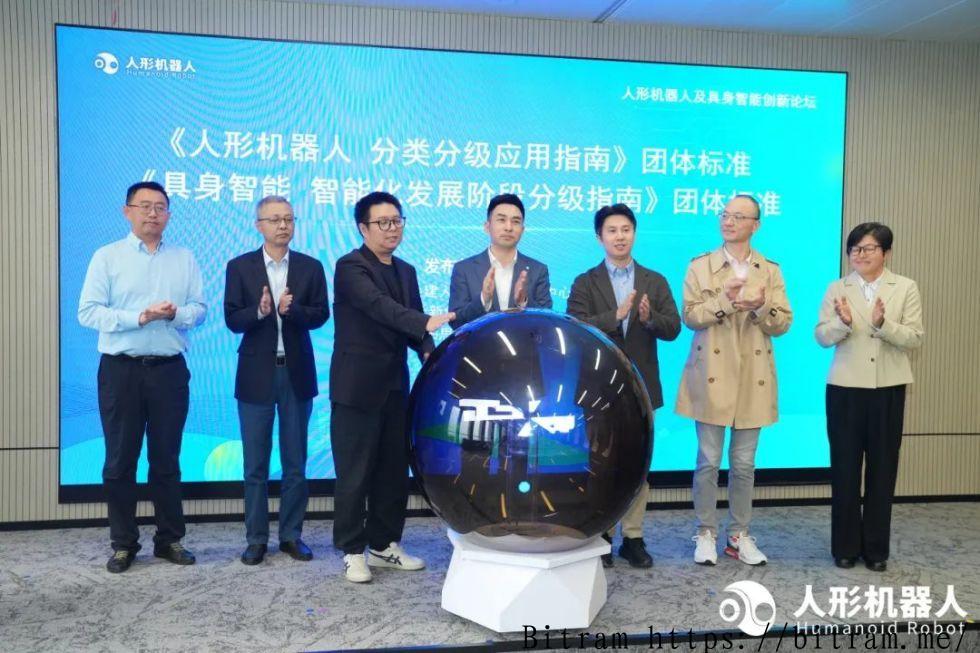
具身智能行业迎来历史性节点——领域内首份行业标准正式落地。这份标准的发布,不仅是技术层面的里程碑,更是整个具身智能产业从"野蛮生长"走向有序竞争的重要信号。对于正处于高速扩张期的机器人与AI融合赛道而言,标准的出现意味着游戏规则开始被重新定义。
所谓具身智能,是指将人工智能能力嵌入具有物理实体的机器人或设备中,使其能够感知环境、理解指令并执行复杂任务。近年来,随着大语言模型与机器人硬件的加速融合,具身智能被视为继"大模型热潮"之后最具商业潜力的AI落地方向之一。然而,快速发展也带来了标准缺失、互通性差、安全边界模糊等行业痛点。
标准发布的核心价值
此次行业标准的出台,预计将围绕以下几个维度建立基础框架:
- 接口与通信协议统一:解决不同厂商设备之间的兼容性难题,降低系统集成成本
- 安全与可靠性规范:明确机器人在公共场所、工业环境及家庭场景中的行为边界
- 数据与隐私保护要求:针对具身智能设备采集的环境数据、用户行为数据提出合规指引
- 测试与认证体系:为产品进入市场提供可量化的评估标准
行业标准的缺位,曾是制约具身智能规模化落地的隐性壁垒。标准的建立,将直接推动供应链协同与下游应用的加速普及。
对于机器人产业链上下游企业而言,标准的出台是一把双刃剑:一方面,合规成本在短期内可能有所上升;另一方面,统一标准将打破市场碎片化格局,帮助头部企业获得更大的规模效应优势。中小型创业公司则需要尽快调整技术路线,向标准靠拢,否则可能在未来的市场准入环节遭遇障碍。
产业影响与未来走向
从更宏观的视角来看,此次标准发布是国内推动AI硬件落地与实体经济深度融合的政策信号之一。近年来,制造业数字化转型、养老服务机器人、人形机器人商业化等议题持续升温,监管层的态度也从观望转向主动引导。
标准化进程的加速,往往预示着一个行业正式进入成熟期前的关键准备阶段。参照新能源汽车行业的发展路径,早期的技术标准奠定了后来规模化竞争的基础,而最终在标准制定过程中拥有话语权的企业,往往也是日后市场格局的主导者。这一逻辑,在具身智能领域同样适用。
综合来看,具身智能首份行业标准的发布标志着这一赛道正式告别无序扩张,进入以规范为前提的高质量发展新周期。对投资者、从业者和技术研究者而言,理解并跟踪标准化进程,将是把握这一行业下一阶段机遇的关键所在。
First Industry Standard for Embodied Intelligence Released, Robotics Sector Enters New Era of Regulation
The embodied intelligence sector has reached a historic milestone — the field's first official industry standard has been formally released. This development is not merely a technical landmark; it signals a broader shift for the entire embodied AI industry, moving away from unchecked expansion toward structured, orderly competition. For a sector racing to merge robotics with artificial intelligence, the arrival of an industry standard means the rules of the game are being rewritten.
Embodied intelligence refers to the integration of AI capabilities into physically embodied robots or devices, enabling them to perceive their environment, interpret instructions, and execute complex tasks. In recent years, the accelerating convergence of large language models and robotic hardware has positioned embodied AI as one of the most commercially promising frontiers following the large-model boom. Yet this rapid growth has also exposed persistent pain points: the absence of standards, poor interoperability between systems, and ambiguous safety boundaries.
The Core Value of This Standard
The newly released industry standard is expected to establish a foundational framework across several key dimensions:
- Unified interfaces and communication protocols: Addressing compatibility challenges between devices from different manufacturers and reducing system integration costs
- Safety and reliability specifications: Defining behavioral boundaries for robots operating in public spaces, industrial environments, and home settings
- Data and privacy protection requirements: Providing compliance guidelines for environmental and user behavioral data collected by embodied AI devices
- Testing and certification systems: Establishing measurable evaluation benchmarks for products seeking market entry
The absence of industry standards had long been a hidden barrier to the large-scale deployment of embodied intelligence. Establishing these norms will directly accelerate supply chain coordination and downstream application adoption.
For companies across the robotics industry chain, the standard's release is a double-edged sword. In the short term, compliance costs may rise. Over the longer term, however, unified standards will break down market fragmentation, allowing leading companies to achieve greater economies of scale. Smaller startups, meanwhile, will need to realign their technical roadmaps quickly — or risk running into obstacles at the market-entry stage.
Industry Impact and Future Outlook
From a broader perspective, this standard release is one of several policy signals encouraging the deep integration of AI hardware deployment with the real economy. In recent years, topics such as manufacturing digitalization, elder-care robotics, and the commercialization of humanoid robots have gained significant momentum, and regulators have shifted from a wait-and-see posture to active guidance.
The acceleration of standardization often indicates that an industry is entering a critical preparatory phase before full maturity. Looking at the trajectory of the new energy vehicle sector, early technical standards laid the groundwork for large-scale competition — and the companies that shaped those standards often became the dominant players in the market that followed. The same logic applies to embodied intelligence.
In summary, the release of the first industry standard for embodied intelligence marks the sector's formal departure from unregulated expansion and the beginning of a new cycle of high-quality, standards-driven development. For investors, industry practitioners, and researchers alike, tracking the standardization process will be essential to identifying and seizing the next wave of opportunities in this rapidly evolving field.
发表评论