长鹰-8大型货运无人机首飞成功:3.5吨载重、3000公里航程重新定义低空运输

2025年3月31日,长鹰-8(NORINCO LUCA)大型运投无人机在郑州上街机场首飞成功,成为目前全球最大货运无人机。该机最大载重3.5吨、航程超3000公里,可在高原、海岛等复杂地形起降,标志着中国7吨级智能无人运输平台领域取得重要突破,将加速低空经济商业化进程。
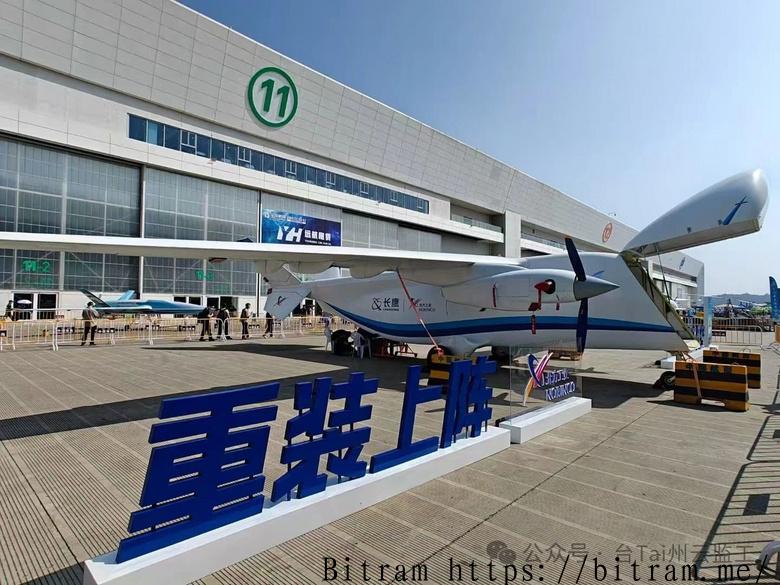
3月31日,一架外形低调却意义非凡的无人机从郑州上街机场缓缓滑行加速,仅需280米的滑跑距离便腾空而起——这就是长鹰-8(NORINCO LUCA),一款被外界称为"无人空中重卡"的大型货运无人机。此次首飞持续约30分钟,飞行姿态平稳,智能飞控、航电、动力等各系统均通过关键科目验证,最终精准着陆,任务圆满完成。长鹰-8也由此成为全球迄今首飞成功的最大货运无人机,中国在7吨级智能无人运输平台领域实现了重要突破。
值得关注的是,长鹰-8并非一款普通的商业无人机,它严格参照大型货运无人机适航标准及GJB军用规范体系进行设计。这意味着其在可靠性和环境适应性上的要求,远超当前市面上大多数商用无人机产品,也为后续顺利推进适航取证奠定了坚实基础。
三项核心性能,打破行业边界
长鹰-8的技术参数颇具冲击力,几乎在每一个关键维度上都树立了新的行业标杆:
- 超重载能力:最大载货重量达 3.5吨,足以胜任大宗物资、应急救援物资乃至工业设备的空中运输任务
- 全地形部署:起降距离不超过500米,可适应简易土跑道、高原机场乃至海岛环境,大幅降低对基础设施的依赖
- 超远航程:最大航程突破 3000公里,具备跨区域、长距离点对点运输能力
起降距离小于500米 + 最大航程超3000公里,这一组合意味着长鹰-8可以在中国绝大多数偏远地区实现"门到门"的空中货运覆盖。
对比目前主流的大型货运无人机产品,长鹰-8在载重与航程的综合表现上均处于第一梯队,尤其是在高原、岛链等特殊地理条件下的部署能力,更具战略价值。
低空经济的关键拼图
近年来,低空经济作为国家战略性新兴产业被持续加码扶持,从eVTOL到物流无人机,整个赛道正快速从技术验证走向规模化商业落地。长鹰-8的成功首飞,恰好填补了这一赛道中"重型货运"环节的关键空白。
相比轻小型无人机,吨级以上的货运无人机面临更高的技术门槛和更严苛的适航审定要求,市场上真正具备竞争力的产品屈指可数。长鹰-8的出现,不仅丰富了国内低空运输的产品矩阵,也为无人机物流商业化提供了一个可落地的重载解决方案。
按照规划,长鹰-8将在首飞之后推进适航取证和批量交付流程。一旦实现商业化运营,其潜在应用场景涵盖:偏远地区应急物资投送、岛屿补给、大型工程项目的设备运输,以及未来可能的商业快递干线运输。
长鹰-8的成功首飞,是中国无人运输装备体系迈向高端化、系列化的一个缩影。随着适航取证进程推进与商业订单落地,这款"无人空中重卡"能否真正跑通从实验室到市场的最后一公里,值得持续关注。
China's NORINCO LUCA-8 Cargo Drone Completes Maiden Flight: 3.5-Ton Payload and 3,000 km Range Redefine Low-Altitude Logistics
On March 31, a large unmanned cargo aircraft quietly taxied down the runway at Zhengzhou Shangjie Airport, lifted off after just 280 meters of ground roll, and made history. This was the NORINCO LUCA-8 — a heavy-lift cargo drone dubbed the "unmanned aerial heavy truck." The maiden flight lasted approximately 30 minutes, during which the aircraft demonstrated stable flight characteristics and successfully validated all key onboard systems, including intelligent flight control, avionics, and propulsion. Upon landing smoothly and precisely, the LUCA-8 became the largest cargo drone in the world to have completed a successful maiden flight, marking a significant milestone in China's development of 7-ton-class intelligent unmanned transport platforms.
What sets the LUCA-8 apart from typical commercial drones is its design pedigree. The aircraft was developed in strict accordance with large cargo drone airworthiness standards and the GJB military specifications system — requirements that far exceed those applied to most commercial UAVs on the market today. This rigorous design foundation is also expected to expedite the aircraft's airworthiness certification process going forward.
Three Core Capabilities That Redefine the Industry
The LUCA-8's technical specifications are striking, setting new benchmarks across nearly every critical performance dimension:
- Heavy-lift capacity: Maximum payload of 3.5 metric tons, capable of transporting bulk supplies, emergency relief cargo, and industrial equipment
- All-terrain deployment: Takeoff and landing distance under 500 meters, enabling operations from unpaved airstrips, high-altitude airports, and island environments — dramatically reducing infrastructure dependency
- Ultra-long range: Maximum range exceeding 3,000 kilometers, enabling cross-regional, point-to-point cargo delivery
A takeoff roll under 500 meters combined with a range of over 3,000 km means the LUCA-8 can effectively provide air freight coverage to virtually any remote region across China.
Compared with existing large cargo drone solutions on the market, the LUCA-8 ranks among the top tier in terms of combined payload and range performance. Its ability to operate in demanding environments — high plateaus, island chains, and other geographically challenging areas — gives it particular strategic significance.
A Critical Piece of the Low-Altitude Economy Puzzle
In recent years, low-altitude economy has been elevated to a national strategic priority in China, with the sector rapidly transitioning from technical demonstration to large-scale commercial deployment — spanning eVTOL aircraft, logistics drones, and beyond. The LUCA-8's successful maiden flight fills a critical gap in this landscape: the heavy-cargo segment.
Compared with lightweight drones, ton-class cargo UAVs face significantly higher technical barriers and more stringent airworthiness certification requirements. Truly competitive products in this category remain rare. The LUCA-8's arrival not only expands China's low-altitude transport product portfolio but also delivers a viable, heavy-lift solution for commercial drone logistics.
According to current plans, NORINCO will pursue airworthiness certification and move toward batch deliveries following the successful maiden flight. Once commercial operations begin, potential use cases include: emergency supply delivery to remote areas, island resupply missions, equipment transport for large-scale infrastructure projects, and potentially long-haul commercial freight corridors in the future.
The LUCA-8's maiden flight is a reflection of China's broader push to advance its unmanned transport capabilities toward higher-end, more diversified platforms. As the certification process moves forward and commercial orders materialize, all eyes will be on whether this "unmanned aerial heavy truck" can successfully bridge the gap from the test flight to the marketplace.
发表评论