美伊谈判迷雾:特朗普的"可控不确定性"策略与巴基斯坦中间人角色解析

美伊谈判陷入迷雾,特朗普宣称伊朗已准备"达成协议",但双方表态截然相反。巴基斯坦主动请缨担任中间人,美方提出15项停战条件涵盖核设施拆除与制裁解除。分析人士指出,特朗普策略意在制造"可控不确定性",以色列的阻挠与美国的军事增兵使谈判前景充满变数。
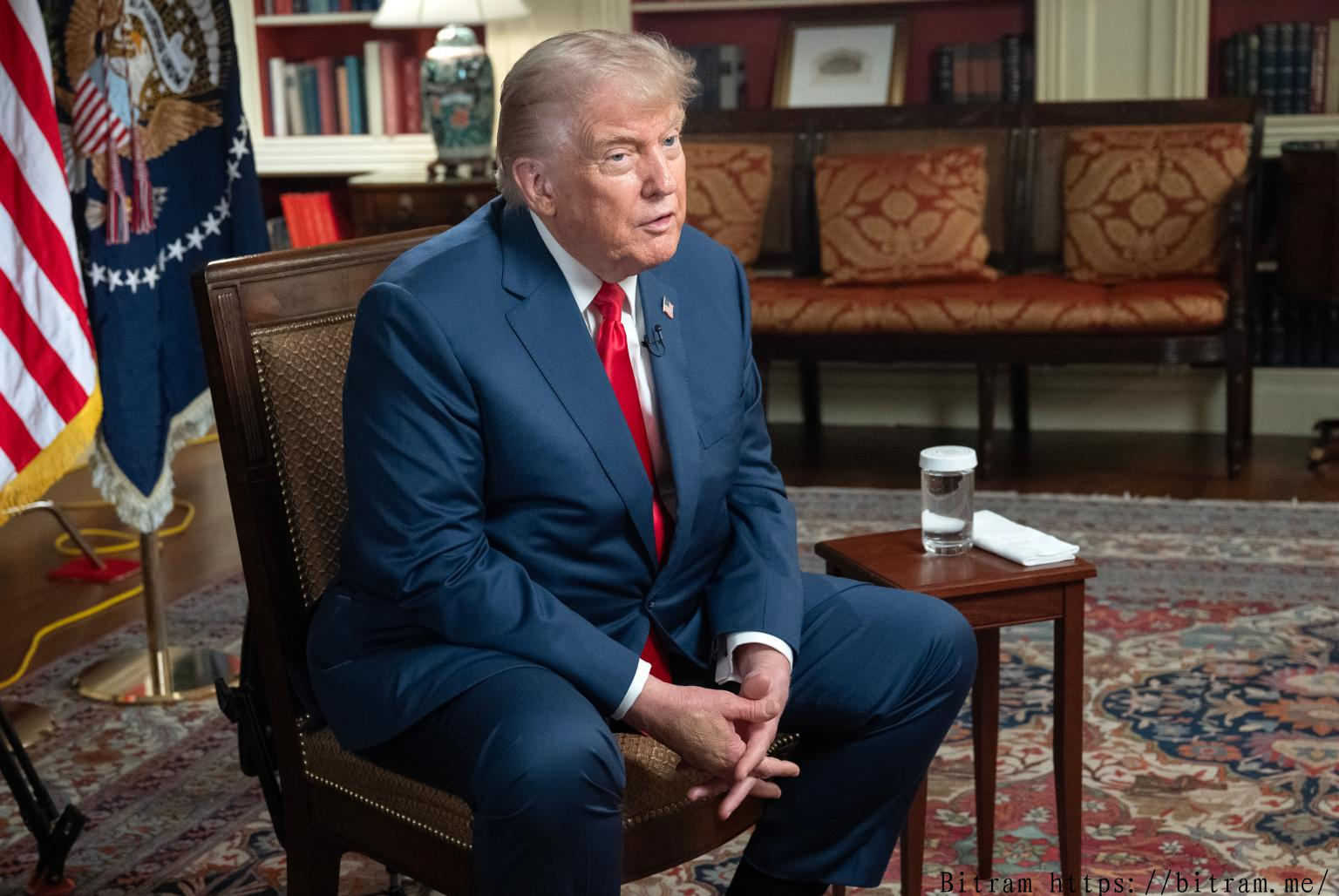
各说各话:美伊谈判的真实状态
美伊之间是否真的在谈判?这个问题目前没有一个简单的答案。特朗普近日高调宣称已与伊朗形成"协议要点",并在椭圆形办公室发表讲话,称伊朗已"准备好达成协议"。然而伊朗方面的表态与此大相径庭——德黑兰承认通过"友好国家"收到了美方的谈判请求,并已作出回应,但明确否认双方举行了任何正式谈判。
这种截然对立的表述,恰恰揭示了美伊核谈判当前的真实处境:双方都在通过公开表态争夺叙事主导权,而非坐在同一张谈判桌前。巴基斯坦在其中扮演了关键的传话角色——总理夏巴兹·谢里夫已公开表示,巴方随时准备主办美伊会谈,埃及与土耳其同样在斡旋之列。
15项停战条件:美国开出了多高的价码?
美方通过巴基斯坦向伊朗传递的方案,涉及15项停战条件,覆盖范围极广:
- 核领域:拆除纳坦兹、伊斯法罕、福尔多等核设施,移交约60%高丰度浓缩铀库存,禁止本土铀浓缩,并接受国际原子能机构全面核查
- 军事领域:限制弹道导弹规模与射程,仅用于防御目的,确保霍尔木兹海峡航行自由
- 地区影响力:停止向伊朗支持的地区武装组织提供资金、武器和指挥支持
作为交换,伊朗有望获得全面解除国际制裁,并获得美国在民用核项目上的支持。
英国《卫报》援引知情外交官员指出,上述条件不过是去年"十二日战争"爆发前核谈判旧案的"重新包装",暗示美方在此轮谈判中的诚意存疑。
值得关注的是,伊朗方面同样提出了自己的停火条件:美国和以色列承诺不再发动军事行动,关闭美军在海湾地区的所有军事基地,支付战争赔偿,并建立新的霍尔木兹海峡法律框架。两份条件清单的差距,清晰地勾勒出谈判的真实难度。
特朗普的真实算盘:军事增兵与外交并行
理解这场谈判迷雾的关键,在于理解特朗普的决策逻辑。分析人士普遍认为,他刻意营造的"可控不确定性"并非失误,而是一种策略:模糊的表态既能安抚能源市场,为军事行动留有余地,也能在外交上保持最大灵活性。
然而,外交言辞之外,美军正悄然加速向中东增兵——包括两栖攻击舰和约2200名海军陆战队员在内的兵力正从美国本土和日本驰援中东。这一军事动作与谈判声明并行不悖,恰好诠释了"以压促谈"的逻辑。
昆西研究所分析人士指出,这场战争反而意外强化了伊朗的谈判筹码——制裁的实际执行力减弱,伊朗石油出口量不降反升,价格翻番。这意味着,在制裁正式解除之前,伊朗几乎没有动力签署任何协议。
以色列同样是谈判路上不可忽视的变量。内塔尼亚胡政府明显不希望战争以谈判方式收场,而是寻求通过军事战果实现更彻底的战略目标。这与海湾国家及美国希望尽快结束冲突的诉求形成了直接矛盾。
综合来看,美伊停战谈判目前仍处于高度不确定的试探阶段:外交接触已经开始,但距离实质性协议还有相当距离。巴基斯坦等中间人能否搭建起真正的对话平台,特朗普是否具备推进外交妥协的政治意愿,将是决定局势走向的两个核心变量。
US-Iran Talks in the Fog: Trump's "Controlled Uncertainty" Strategy and Pakistan's Role as Mediator
A Divided Narrative: What's Really Happening in US-Iran Talks
Are the United States and Iran actually negotiating? At this point, there's no simple answer. Trump recently made high-profile claims that the two sides had reached the "elements of a deal," declaring in a speech from the Oval Office that Iran was "ready to make a deal." Yet Tehran told a very different story — Iranian officials confirmed they had received a US request for talks through a "friendly country" and had responded, but flatly denied that any formal negotiations had taken place.
This stark contradiction reveals the true state of US-Iran nuclear negotiations: both sides are fighting for control of the narrative rather than sitting across a table from each other. Pakistan has emerged as a pivotal go-between, with Prime Minister Shehbaz Sharif publicly announcing Islamabad's readiness to host direct talks. Egypt and Turkey are also playing active mediating roles.
The 15-Point Ceasefire Proposal: How High Is Washington's Ask?
Through Pakistan, the US reportedly relayed a sweeping 15-point framework covering three main areas:
- Nuclear: Dismantling facilities at Natanz, Isfahan, and Fordow; surrendering roughly 60% of highly enriched uranium stockpiles; halting domestic uranium enrichment; and accepting full IAEA inspections
- Military: Capping ballistic missile capabilities for defensive use only; guaranteeing freedom of navigation through the Strait of Hormuz
- Regional influence: Ending financial, weapons, and command support for Iran-backed armed groups across the region
In return, Iran could receive the full lifting of international sanctions and US support for civilian nuclear development.
According to informed diplomatic sources cited by The Guardian, these conditions are little more than a repackaged version of proposals tabled before last year's "Twelve-Day War" — raising serious doubts about Washington's good faith in the current round of talks.
Iran has also laid out its own ceasefire conditions: binding guarantees from the US and Israel against future military strikes, closure of all US military bases in the Gulf, full war reparations, and the establishment of a new legal framework governing the Strait of Hormuz. The gulf between the two sides' demands makes clear just how difficult a deal would be to reach.
Trump's Real Calculus: Military Buildup Alongside Diplomacy
The key to decoding this fog lies in understanding Trump's decision-making logic. Analysts broadly agree that the deliberate "controlled uncertainty" he projects is not a communications failure but a calculated strategy — ambiguous statements can simultaneously soothe energy markets, preserve room for military action, and maximize diplomatic flexibility.
Yet even as the rhetoric flows, the US military is quietly reinforcing its posture in the Middle East. Amphibious assault ships carrying roughly 2,200 Marines are en route from both the continental United States and Japan. This military movement, running in parallel with diplomatic overtures, is a textbook illustration of "pressure-to-negotiate" strategy.
Analysts at the Quincy Institute note a striking irony: the war has actually strengthened Iran's negotiating hand. Sanctions enforcement has weakened, Iranian oil exports have grown, and prices have doubled since before the conflict. With sanctions already losing their bite, Tehran has little incentive to sign any agreement before they are formally lifted.
Israel adds another major wildcard. The Netanyahu government has shown little interest in a negotiated end to the conflict, preferring to press military gains toward more sweeping strategic goals — a position that puts it in direct tension with Gulf states and the United States, both of which want the fighting to stop as quickly as possible.
In sum, US-Iran ceasefire diplomacy remains highly uncertain and exploratory: contact has been established, but a substantive agreement is still a long way off. Whether mediators like Pakistan can build a genuine dialogue channel — and whether Trump has the political will to accept the diplomatic compromises a deal would require — will be the two variables that determine where this crisis goes next.
发表评论