国内成品油价格临时调控措施出台,油价走势与民生影响全解析

国家对成品油价格启动临时调控,通过设定价格上下限等手段稳定国内油价。本文解析此次临时调控的背景、政策逻辑与对居民生活、物流运输的实际影响,并展望后续油价走势,帮助读者全面了解成品油价格调控机制。
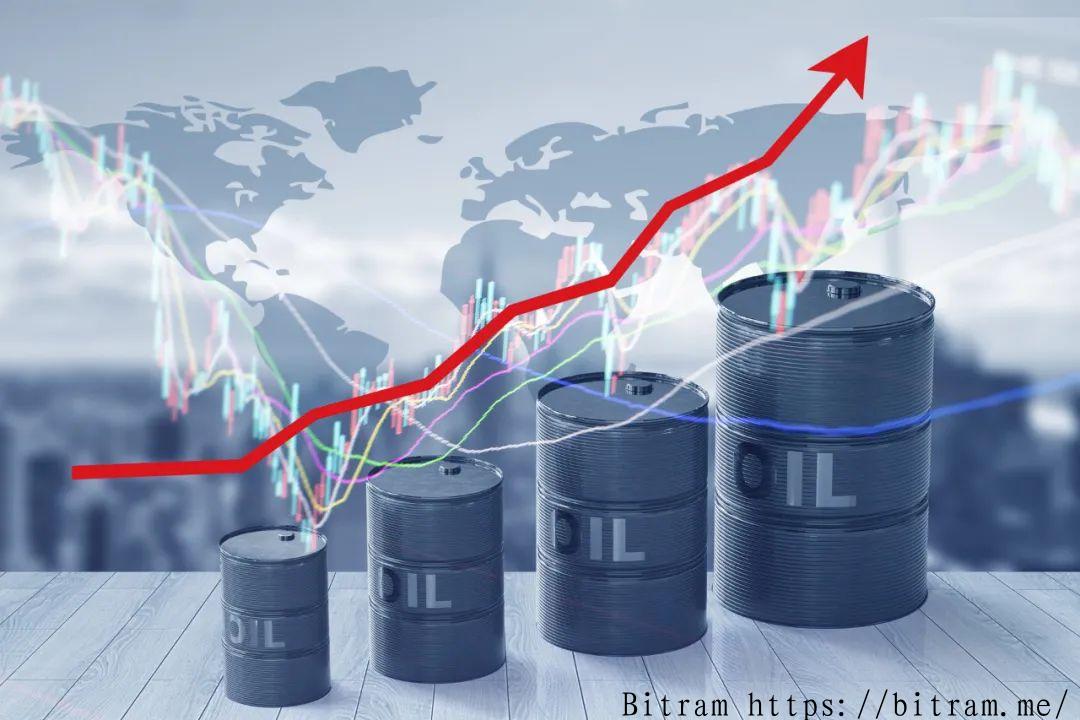
近期,国家针对国内成品油价格启动临时调控机制,通过行政手段对汽油、柴油等成品油的市场价格设定合理区间,防止价格出现大幅异常波动。这一举措在当前国际油价不确定性加剧的背景下尤为引人关注,也再次将成品油价格调控政策推上舆论焦点。
所谓"临时调控",区别于常态化的定价机制,通常是在特定市场环境下由主管部门采取的阶段性干预措施。此次出台调控举措,核心目的在于通过稳定终端油价,遏制生产成本上涨向消费端传导,从而守护普通居民的基本生活成本与实体经济的运行稳定。
为何选择此时介入?
当前,国际原油价格受地缘政治、主要产油国生产策略以及全球需求预期变化等多重因素影响,波动区间持续扩大。一旦国际油价大幅上冲,国内成品油价格若完全随行就市,将直接推高物流、运输、农业生产等多个领域的成本,形成明显的通胀传导效应。
成品油价格的每一次上涨,背后都是司机的油费、快递的运费、菜市场的菜价——调控的意义,正在于此。
在油价波动对物价影响这一链条中,柴油价格的变化尤为关键。货运、工程机械、农机作业高度依赖柴油,价格上涨会快速渗透到终端消费品价格中。此次临时调控若能有效锁定柴油价格区间,对稳定PPI(生产者价格指数)具有直接意义。
调控能带来什么,又有哪些局限?
此次临时调控的积极意义主要体现在以下几点:
- 稳预期:向市场传递明确信号,防止非理性囤油或恐慌性消费
- 护民生:短期内抑制居民出行、取暖等直接用油成本上涨
- 稳物价:阻断油价上涨向下游商品价格的快速传导
当然,行政性调控并非没有边界。成品油价格机制改革的长期方向仍是逐步与国际市场接轨,临时调控本质上是市场化改革进程中的"减震器",而非永久替代市场定价的工具。过度或长期依赖调控,可能影响行业投资意愿,甚至导致供给端的结构性问题。
综合来看,此次对国内成品油价格采取临时调控,是在外部不确定性加剧阶段保障国内经济平稳运行的务实之举。短期内有助于稳定居民生活成本与市场预期,但长期的能源价格稳定,仍有赖于多元化能源结构的建立与国际市场的整体趋稳。关注后续调控政策的退出节奏与市场反应,将是观察本轮油价调控成效的关键。
China Implements Temporary Price Controls on Refined Oil Products: What It Means for Consumers and the Economy
China has recently activated a temporary price control mechanism for domestic refined oil products, using administrative measures to set reasonable price ranges for gasoline, diesel, and other petroleum fuels to prevent abnormal market fluctuations. Against the backdrop of growing uncertainty in international oil markets, this policy intervention has drawn significant public attention and placed refined oil price regulation back at the center of economic discussion.
"Temporary controls" differ from the standard pricing mechanism — they represent phased intervention measures taken by regulatory authorities under specific market conditions. The core objective of this latest move is to stabilize end-user fuel prices, curbing the transmission of rising production costs to consumers, and thereby protecting ordinary households' basic cost of living while maintaining stable operations across the real economy.
Why Intervene Now?
International crude oil prices have been experiencing widening volatility, driven by a complex mix of geopolitical tensions, shifting production strategies among major oil-producing nations, and changing global demand expectations. If domestic refined oil prices were to fully track a sharp international price surge, it would directly push up costs across logistics, transportation, agricultural production, and other sectors, triggering a noticeable inflationary ripple effect.
Every rise in fuel prices translates into higher costs for truck drivers, delivery fees, and grocery prices at local markets — this is precisely why price controls matter.
Within the chain of fuel price impacts on consumer prices, diesel prices are particularly critical. Freight transport, construction machinery, and agricultural equipment all rely heavily on diesel. A price spike quickly permeates end-consumer goods. If this round of temporary controls can effectively cap the diesel price range, it will have a direct stabilizing effect on the PPI (Producer Price Index).
What Can Price Controls Achieve — and What Are Their Limits?
The positive contributions of this temporary intervention include:
- Anchoring expectations: Sending a clear market signal to prevent irrational fuel stockpiling or panic buying
- Protecting livelihoods: Containing short-term increases in direct fuel costs for households, including commuting and heating
- Stabilizing prices: Blocking the rapid pass-through of oil price increases to downstream consumer goods
That said, administrative controls have their boundaries. The long-term direction of refined oil pricing mechanism reform remains a gradual alignment with international market dynamics. Temporary controls are fundamentally a "shock absorber" within the broader market-oriented reform process — not a permanent substitute for market-based pricing. Excessive or prolonged reliance on controls could dampen investment appetite in the energy sector and potentially create structural imbalances on the supply side.
Overall, the decision to impose temporary controls on domestic refined oil prices is a pragmatic measure to safeguard economic stability during a period of heightened external uncertainty. In the short term, it helps contain household living costs and stabilize market expectations. However, lasting energy price stability ultimately depends on building a diversified energy mix and a broader easing of international market conditions. The key to assessing the effectiveness of this intervention will be monitoring the pace of policy withdrawal and how markets respond in the months ahead.
发表评论