霍尔木兹海峡局势最新动态:中东紧张缓和,美股强势反攻,国际油价单日暴跌逾10%

中东局势出现缓和迹象,美股三大指数集体收涨逾1%,国际油价单日暴跌超10%。霍尔木兹海峡局势成市场焦点,伊朗宣称对该海峡实施有效控制,美伊双方释放谈判信号但分歧明显。本文梳理最新动态及多方市场分析,解读地缘博弈对全球资产价格的深层影响。
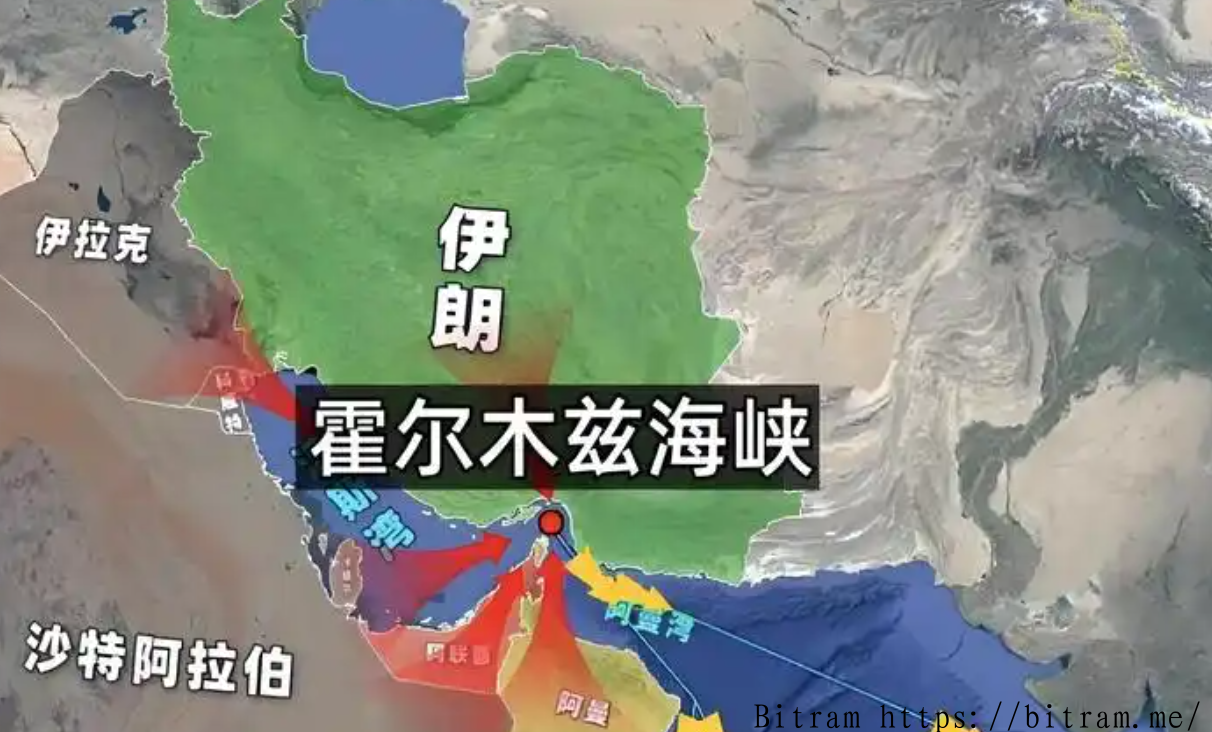
中东局势在经历数日的高度紧张后,于本周一出现明显缓和迹象,霍尔木兹海峡这一全球最重要的石油运输通道再度成为全球市场的核心焦点。受此影响,全球风险资产迅速反应——美股三大指数全线收涨逾1%,欧洲主要股指同步走高,而此前因地缘溢价大幅走高的国际油价则单日暴跌超10%,WTI原油期货收于88.13美元/桶,布伦特原油亦跌破100美元关口至99.94美元/桶。
此轮市场行情的直接导火索,是美国总统特朗普释放的一系列外交信号。他宣称与伊朗领导层进行了"富有成效的会谈",并决定将原定军事行动推迟五天,随后又表示美伊双方正在磋商能否达成更广泛协议。这一系列表态迅速缓解了市场的恐慌情绪,VIX恐慌指数收跌超2%,投资者短暂重拾风险偏好。
多空信号交织,市场分歧加剧
然而,这场"缓和"究竟是实质性外交突破,还是又一轮话术博弈,市场各方并不统一。伊朗议会议长卡利巴夫直接否认了谈判的存在,斥之为"操纵金融和石油市场的假消息";伊朗武装部队发言人则强调,伊朗已在波斯湾及阿曼湾相关海域掌握主动权,对霍尔木兹海峡实施有效控制,并表示无需布设水雷,但将在必要时采取一切必要手段。
与此同时,以色列总理内塔尼亚胡表示以色列将"继续空袭",而美国方面约2200名海军陆战队员预计本周五将进入美军中央司令部管辖范围,部分兵力后续可能向霍尔木兹海峡方向推进。军事部署与外交喊话并行,令局势走向充满不确定性。
高盛交易员Rich Privorotsky对特朗普近72小时的操作模式作出了精准描述:先释放收缩信号,再升级至最强硬立场,最后给出"五天暂停"的台阶。这一模式与其在贸易谈判中的惯用打法高度吻合,市场对此已驾轻就熟,但也因此难以判断真实意图。
油价才是核心变量
对于此轮行情能否持续,国际油价的走势或许比外交声明更具说服力。Edward Jones分析师指出,真正的去风险信号应当是霍尔木兹海峡石油实际流量的恢复,而非口头表态。彭博宏观策略师则提醒,即便股市反弹,高油价推升通胀预期的逻辑并未改变,这将制约美联储的降息空间,进而对金融条件形成压制。
"短期内没有什么比油价更重要——油价跌,股价涨,反之亦然。" —— Crossmark Global Investments首席投资官 Bob Doll
在科技股层面,此次反弹中博通大涨超4%,亚马逊涨超2%,英伟达、苹果、Meta涨超1%;中概股同样全线翻红,小鹏汽车、蔚来汽车均大涨超7%,纳斯达克中国金龙指数结束此前四连跌。
总体而言,此次美股反攻和油价暴跌,本质上是市场对"战争暂停"预期的快速定价。霍尔木兹海峡局势、美伊谈判进展与国际油价走势,将在未来数日内继续主导全球市场情绪,投资者需高度警惕局势再度反转的风险。
Strait of Hormuz Latest Update: Middle East Tensions Ease, US Stocks Rebound Sharply, Oil Prices Plunge Over 10%
After days of intense geopolitical tension, signs of de-escalation in the Middle East emerged on Monday, placing the Strait of Hormuz — the world's most critical oil chokepoint — squarely back at the center of global market attention. Risk assets responded swiftly: all three major US stock indices closed up over 1%, European equities rallied in tandem, while international oil prices collapsed by more than 10% in a single session. WTI crude settled at $88.13 per barrel, and Brent crude fell below the $100 threshold to close at $99.94 per barrel.
The immediate catalyst was a series of diplomatic signals from US President Donald Trump. He announced "productive talks" with Iranian leadership, declared a five-day delay on any planned military action, and indicated that Washington and Tehran were in discussions over a potential broader agreement. The remarks quickly eased market anxiety, with the VIX fear index falling over 2% as investors briefly rediscovered their appetite for risk.
Mixed Signals Cloud the Outlook
Yet whether this "de-escalation" represents a genuine diplomatic breakthrough or merely another round of rhetorical maneuvering remains deeply contested. Iran's parliament speaker Ghalibaf flatly denied that any negotiations had taken place, calling the reports "fake news designed to manipulate financial and oil markets." Iran's armed forces spokesperson, meanwhile, asserted that Iran had gained the initiative across the Persian Gulf and Gulf of Oman, claiming effective control over the Strait of Hormuz — and warning that all necessary measures would be taken to safeguard security if required.
Adding to the uncertainty, Israeli Prime Minister Netanyahu signaled that Israel would "continue airstrikes," while approximately 2,200 US Marines are expected to enter US Central Command's area of responsibility by Friday, with some forces potentially moving toward the Strait of Hormuz in the days that follow. Military deployments and diplomatic rhetoric are advancing simultaneously, making the trajectory of the situation highly unpredictable.
Goldman Sachs trader Rich Privorotsky offered a sharp read on Trump's playbook over the past 72 hours: signal restraint, escalate to maximum pressure, then offer a "five-day pause" as a face-saving off-ramp. This pattern closely mirrors his approach in trade negotiations — well understood by markets, yet still difficult to decode in terms of genuine intent.
Oil Prices Remain the Key Variable
When it comes to whether this market rally has legs, the actual trajectory of oil prices may speak louder than any diplomatic statement. An Edward Jones analyst noted that the true de-risking signal would be a resumption of actual oil flows through the Strait of Hormuz — not verbal assurances. A Bloomberg macro strategist cautioned that even with stocks bouncing, the core dynamic remains unchanged: elevated oil prices push inflation expectations higher, constraining the Fed's room to cut rates and tightening overall financial conditions.
"Nothing matters more in the near term than oil prices — when oil falls, stocks rise, and vice versa." — Bob Doll, Chief Investment Officer, Crossmark Global Investments
On the equity side, the rebound was led by Broadcom surging over 4%, Amazon gaining more than 2%, and Nvidia, Apple, and Meta each rising over 1%. Chinese ADRs also rebounded broadly, with Xpeng and NIO each jumping over 7%, while the Nasdaq Golden Dragon China Index snapped a four-session losing streak.
In summary, Monday's US stock surge and oil price crash reflect the market's rapid repricing of a "war pause" scenario. The Strait of Hormuz situation, US-Iran negotiation developments, and international oil price movements will continue to drive global market sentiment in the days ahead. Investors should remain highly alert to the risk of a sudden reversal should diplomatic signals deteriorate once again.
发表评论