美伊谈判真假难辨,特朗普五分钟发文引爆华尔街:油价暴跌13%,美股急涨急落

特朗普在Truth Social发文暂缓轰炸伊朗能源设施威胁,短短五分钟内引发油价暴跌逾13%、美债收益率大幅下行、美股标普500一度涨2.2%的市场剧震。尽管伊朗随即否认谈判存在,华尔街已读取到明确信号:特朗普急于为这场拖累全球经济的战争止损。本文深度解析市场波动逻辑与"TACO"交易策略的失效风险。
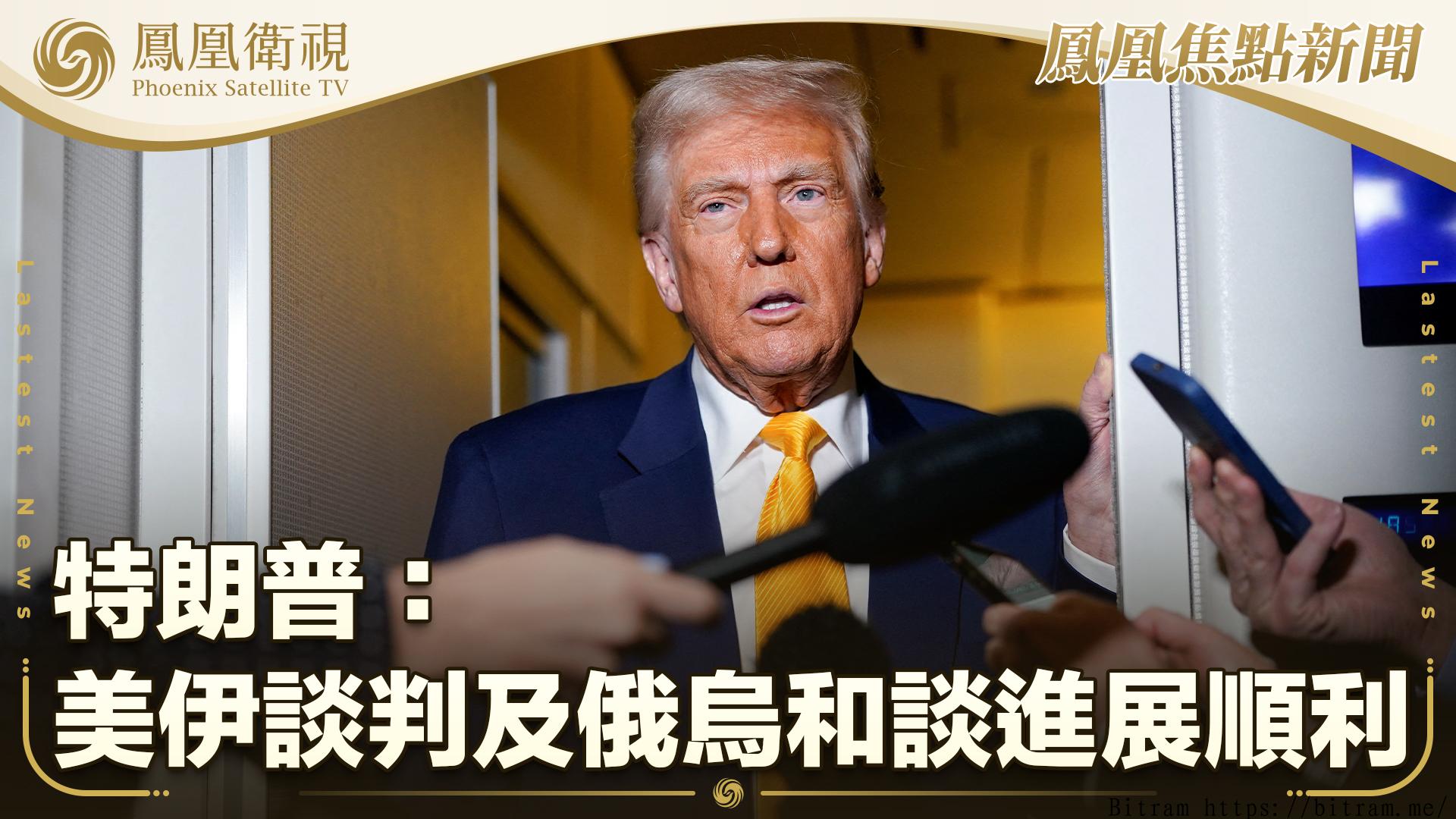
北京时间周一傍晚,一条来自Truth Social的帖子在几分钟内重塑了全球金融市场的走势。特朗普宣布暂缓对伊朗能源基础设施的打击威胁,称谈判正在取得进展。消息传出后,布伦特原油价格跌破每桶100美元,单日跌幅一度超过13%;两年期美债收益率骤降0.22个百分点至3.79%;标普500指数开盘一度大涨2.2%,创下5月以来最大单日涨幅。这场因美伊军事冲突引发的全球金融市场动荡,在一篇帖子发出后瞬间改变了方向。
然而,剧情在不到一小时内急转直下。伊朗方面明确否认任何谈判的存在,令市场多头信心大打折扣。随着质疑情绪蔓延,美股早盘涨势迅速收窄,标普500最终仅收涨约1.2%,远低于开盘高点。这一涨幅的"缩水"本身,就是市场对特朗普可信度投出的一票否决。
华尔街读到的真正信号
伊朗谈判是否真实存在,已经不是最关键的问题。对华尔街而言,更重要的信号是:特朗普本人急于结束这场战争。
这场冲突自三周前升级以来,已将全球经济推向危机边缘。BCA Research首席策略师Marko Papic直言:
"如果这个问题在未来7到10天内得不到解决,全球经济将面临类似疫情期间的停摆。今天的声明表明,特朗普意识到实体经济可能会断崖式下跌。"
从市场逻辑看,这场战争正在系统性地破坏特朗普政府的核心政策目标——压低油价、降低抵押贷款利率、在年内国会选举前维护经济增长势头。上周五,美股录得近一年来最长连跌周;两年期美债收益率自冲突爆发以来累计上行超过0.5个百分点,全球债券市场单月跌幅逼近三年之最,蒸发市值超过2.5万亿美元。
RBC Wealth Management策略师Tom Garretson指出:"或许这次又是债券市场迫使特朗普采取了行动。"
"TACO交易"的裂缝
特朗普重返白宫以来,交易员逐渐形成一种经验法则:每当政策冲击引发市场暴跌,特朗普都会迅速转向。这一策略被戏称为"TACO交易"(Trump Always Chickens Out,特朗普总会退缩),并在贸易战关税暂缓、格陵兰岛言论降温等事件中屡屡奏效,强化了市场逢低买入的信心。
但伊朗战争让这套逻辑出现了明显裂缝。Hirtle Callaghan首席投资官Brad Conger表示:
"我担心这件事已不再由特朗普决定,不像关税那样可以随时叫停。那些因为特朗普对市场反应迅速而感到鼓舞的人,他们的信心是错位的。"
伊朗依然掌控国家政权,霍尔木兹海峡的封锁仍在持续,全球能源供应链面临的压力并未消散。瑞穗银行策略师Jordan Rochester也坦言,当前最难预判的不是战争本身的走向,而是白宫的沟通方式,以及市场究竟该对哪一句话认真。
总结来看,特朗普这篇五分钟引爆市场的帖子,既揭示了他在经济压力下寻求出口的迫切心理,也暴露出其在地缘政治博弈中可信度不断下降的深层困境。对投资者而言,在美伊冲突真正出现实质性降级之前,任何单一声明引发的反弹都难以持续——这或许才是当下最值得警惕的市场信号。
Iran-US Talks Real or Not, Wall Street Got the Message: Trump's 5-Minute Post Sent Oil Crashing 13% and Stocks Soaring
On Monday, a single post on Truth Social reshaped global financial markets within minutes. President Trump announced a pause on threats to strike Iranian energy infrastructure, claiming that negotiations were making progress. The reaction was immediate: Brent crude fell below $100 per barrel, shedding more than 13% at its intraday low; two-year U.S. Treasury yields dropped 0.22 percentage points to 3.79%; and the S&P 500 opened up as much as 2.2%, its biggest single-day gain since May. A conflict that had been pushing the global economy toward the brink suddenly looked like it might be heading toward resolution.
But the narrative reversed within the hour. Iran flatly denied that any negotiations were taking place, puncturing bullish sentiment across markets. As skepticism mounted, the early rally faded fast — the S&P 500 closed up just 1.2%, well off its opening highs. That gap between hope and reality amounted to a market verdict on Trump's credibility.
The Real Message Wall Street Received
Whether or not Iran-U.S. talks are actually happening has become almost secondary. What Wall Street took from Monday's episode is something more fundamental: Trump himself is eager to end this war.
The conflict, which escalated roughly three weeks ago, has pushed the global economy to a dangerous inflection point. BCA Research Chief Strategist Marko Papic put it bluntly:
"If this isn't resolved in the next 7 to 10 days, the global economy faces a shutdown similar to the pandemic. Today's statement shows Trump recognizes the real economy could fall off a cliff."
From a market logic standpoint, the war is systematically undermining the Trump administration's core policy goals — keeping oil prices low, reducing mortgage rates, and demonstrating economic strength ahead of this year's congressional elections. Last Friday, U.S. stocks posted their longest weekly losing streak in nearly a year. Two-year Treasury yields have climbed more than 0.5 percentage points since the conflict began, global bond markets have shed over $2.5 trillion in value, and monthly losses are approaching a three-year record.
RBC Wealth Management strategist Tom Garretson noted: "Perhaps once again it was the bond market that forced Trump's hand."
Cracks in the "TACO Trade"
Since Trump returned to the White House, traders have operated on a working assumption: whenever a policy shock triggers a market selloff, Trump will pivot quickly. This playbook, widely dubbed the "TACO trade" (Trump Always Chickens Out), proved effective during the tariff truce and the de-escalation of Greenland rhetoric, reinforcing a buy-the-dip mentality across risk assets.
But the Iran war is exposing the limits of that logic. Hirtle Callaghan Chief Investment Officer Brad Conger was direct:
"I worry this is no longer Trump's to end, unlike tariffs where he can just flip a switch. Those encouraged by how quickly Trump responds to markets are misplacing their confidence."
Iran's leadership remains intact and in control. The Strait of Hormuz remains under pressure. Global energy supply chains have not found relief. Mizuho strategist Jordan Rochester echoed the uncertainty, saying the hardest part right now isn't predicting the war's trajectory — it's predicting how the White House will communicate, and figuring out which statements markets should actually believe.
In summary, Trump's five-minute post that jolted global markets on Monday revealed two things simultaneously: the economic pressure mounting on the administration to find an exit from this conflict, and the deepening credibility problem facing the president in the geopolitical arena. For investors, any rally driven by a single presidential statement is unlikely to hold until there is genuine, verifiable de-escalation in the Middle East — and that may be the most important market signal of all right now.
发表评论