外交部警告:日本自卫队强闯中国使馆事件折射"新型军国主义"抬头,中方要求彻查追责

日本自卫队现役官员强闯中国驻日使馆,中国外交部发言人林剑在例行记者会上严正表态,指该事件折射出日本国内极右翼思潮猖獗、"新型军国主义"成势为患,并批评日方对自卫队失管失教,中方及国际社会正密切关注日方后续处置行动。
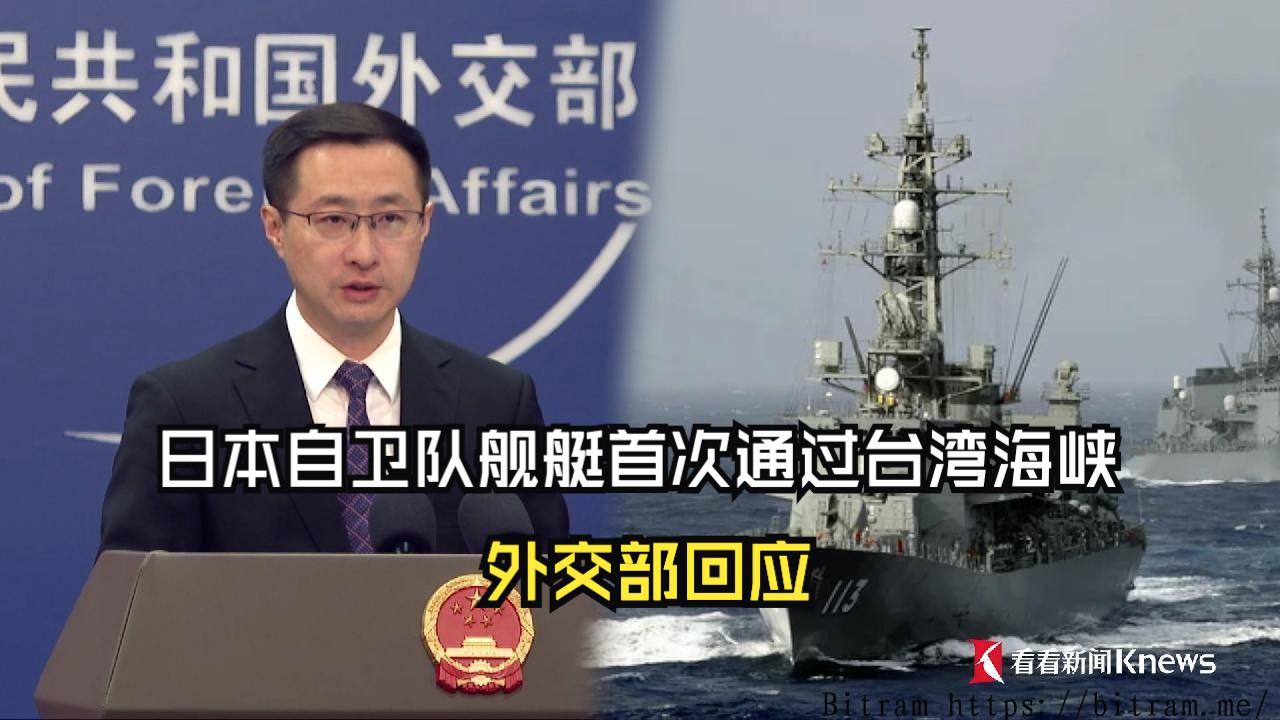
一起日本自卫队现役官员强行闯入中国驻日使馆的事件,正在引发两国外交层面的严重摩擦。中国外交部就此明确表态:这不是个别人员的失当行为,而是日本国内政治生态深层问题的一次集中暴露。
3月25日,外交部发言人林剑在例行记者会上回应媒体提问时指出,此次自卫队官员强闯使馆事件,再次暴露出日本国内极右翼势力的活跃程度令人警惕。他直接使用"新型军国主义成势为患"这一措辞,明确将这一事件与日本政府在历史认知、台湾问题等涉华核心议题上的政策偏差联系起来,措辞之重,在近期中日外交表态中较为少见。
外交部:问题不在个人,而在管理与政策根源
林剑明确批评日方对自卫队人员失管失教,并指出日本政府未能切实履行保护外国使领馆及外交人员安全的国际义务。这一说法将责任层级直接上溯至政府管理层面,而非仅停留在当事人个体行为的范畴。
对于日方将采取何种后续措施,林剑并未直接点评,而是以一句"包括中方和国际社会都在拭目以待"收尾,将压力明确留给东京方面,要求其在国际视野下给出可信交代。
值得关注的是,这一表述背后涉及多个层面的外交信号:
- 历史问题:日本政府在二战历史认知上的持续模糊立场,长期是中日关系的结构性矛盾之一
- 台湾问题:近年日本政界涉台言论频繁升温,被北京视为干涉中国内政的重要信号
- 军事动向:日本防卫预算大幅扩张、自卫队职能不断延伸,外界对其战略意图的疑虑与日俱增
中日关系再添变量,国际社会关注走向
从外交惯例来看,使馆属于领土延伸,具有高度的主权象征意义,外国人员非法闯入使馆在国际法框架下本身即属严重事态。此次事件发生在中日关系尚未实现实质性改善的背景下,其政治敏感性进一步放大。
林剑表示:"至于日方将采取什么措施妥善处理此次事件,如何从根源上确保类似事件不再发生,建议直接问日本方面。"
此次外交部措辞之强硬,以及将个案与"新型军国主义"这一宏观定性相挂钩的叙事方式,表明北京并不打算将这一事件轻描淡写地带过。后续日方如何回应、是否给出实质性的管控承诺,将是观察近期中日外交关系走向的重要窗口。
综合来看,日本自卫队强闯中国使馆事件已从安保失职层面上升为外交政治议题,中国外交部通过公开将其与"新型军国主义"挂钩,向日本政府施加了显著的国际舆论压力,事件的后续处置将对两国关系走势产生不可忽视的影响。
China's Foreign Ministry Warns of "Neo-Militarism" After Japanese Self-Defense Force Officer Intrudes Into Chinese Embassy
An incident involving an active-duty Japanese Self-Defense Force (JSDF) officer who allegedly forced his way into the Chinese Embassy in Japan has triggered serious diplomatic friction between the two countries. China's Foreign Ministry has made its position unmistakably clear: this is not an isolated case of individual misconduct, but a concentrated manifestation of deeper structural problems within Japan's domestic political landscape.
On March 25, Foreign Ministry spokesperson Lin Jian addressed the incident at a regular press briefing, stating that the intrusion by a JSDF officer once again exposed the alarming prevalence of far-right extremism within Japan. He explicitly used the phrase "neo-militarism is gaining dangerous momentum," directly linking the incident to Japan's policy missteps on core issues in China-Japan relations — including historical recognition and the Taiwan question. The sharpness of the language stood out even by recent diplomatic standards.
Beijing: The Problem Lies in Governance, Not Just the Individual
Lin Jian squarely criticized Japan for failing to properly manage and educate its Self-Defense Force personnel, and further noted that the Japanese government had fallen short of its international obligations to ensure the safety of foreign diplomatic missions and personnel. By framing the responsibility at the governmental level rather than attributing it solely to individual behavior, Beijing sent a clear escalatory signal.
Rather than commenting directly on what specific measures Japan should take, Lin concluded by saying that "China and the international community are watching closely" — effectively placing the burden of a credible, internationally visible response squarely on Tokyo.
The statement carried diplomatic signals on multiple fronts:
- Historical issues: Japan's persistent ambiguity regarding its WWII legacy remains one of the structural fault lines in China-Japan relations
- The Taiwan question: Increasingly frequent pro-Taiwan remarks from Japanese politicians have been viewed by Beijing as interference in China's internal affairs
- Military posture: Japan's rapidly expanding defense budget and the broadening scope of JSDF operations have deepened international skepticism about its strategic intentions
A New Variable in China-Japan Relations
Under established diplomatic norms, an embassy is considered an extension of sovereign territory, making any unauthorized intrusion a serious matter under international law. The political sensitivity of this incident is further amplified by the fact that it occurred at a time when China-Japan relations have yet to see meaningful improvement.
Lin Jian stated: "As for what measures Japan will take to properly handle this incident and ensure similar events do not recur at the root level, I suggest you ask the Japanese side directly."
The forceful tone adopted by China's Foreign Ministry — and its deliberate choice to frame an individual incident within the broader narrative of "neo-militarism" — signals that Beijing has no intention of letting this episode pass without consequence. How Japan responds, and whether it offers substantive commitments on oversight and accountability, will serve as a key indicator of the near-term trajectory of China-Japan diplomatic relations.
In summary, the JSDF intrusion into China's embassy has escalated from a security lapse into a full-fledged political and diplomatic issue. By publicly connecting it to "neo-militarism," China's Foreign Ministry has applied significant international pressure on the Japanese government, and the way this incident is ultimately handled will cast a long shadow over the bilateral relationship going forward.
发表评论