中日关系再起波澜:外交部明确表态,日方"表示遗憾"远远不够,中方立场坚定

针对近期中日关系紧张局势,中国外交部明确表态,日方所谓"表示遗憾"的态度远远不够,中方要求日本以实际行动承担责任。本文深度分析此次外交交锋的背景、核心争议及未来走向,带你读懂中日博弈的最新动态。
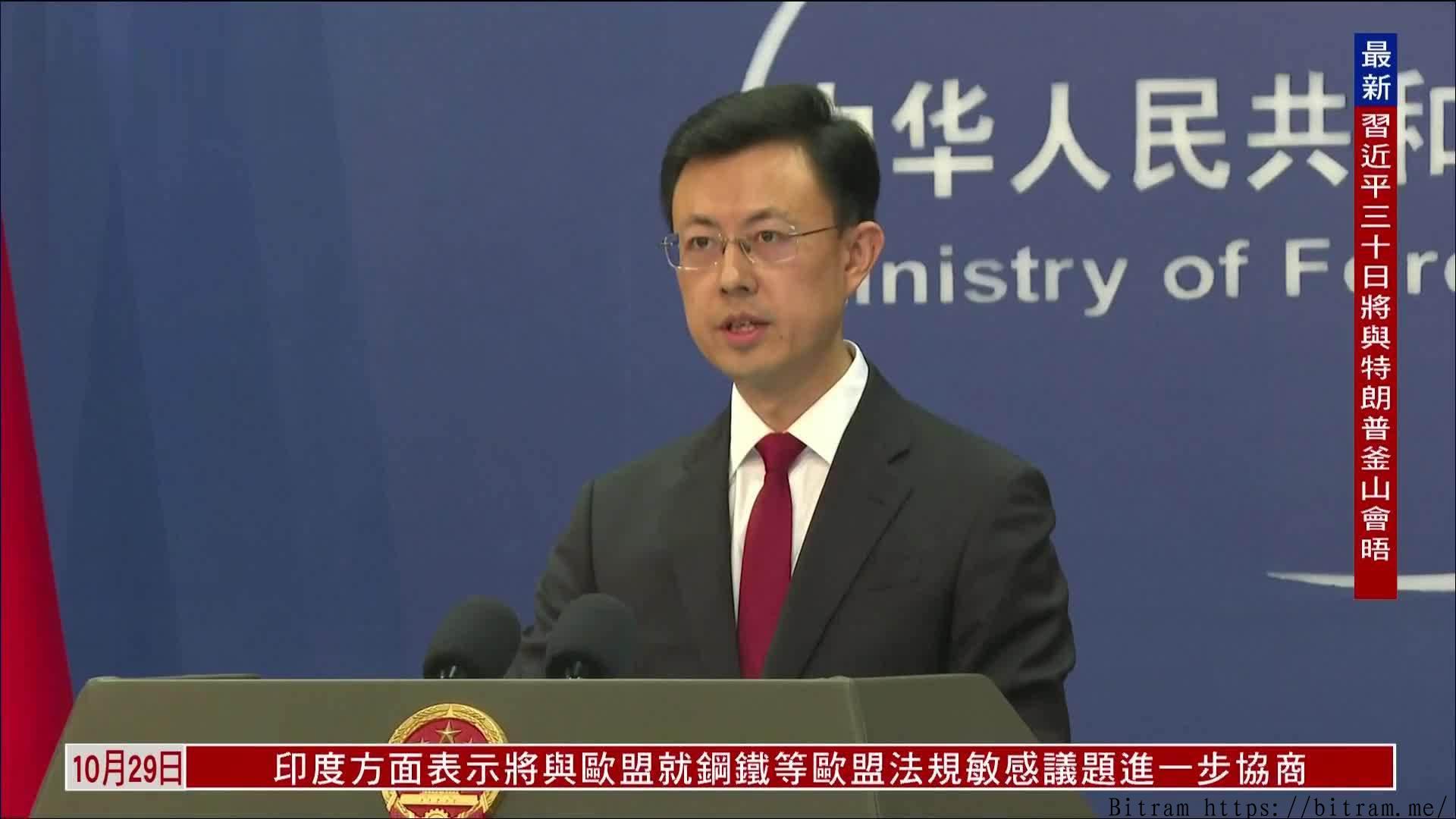
近期,中日两国之间的外交紧张态势再度升温。中国外交部在例行记者会上发出明确信号:日方仅以"表示遗憾"作为回应,这样的态度根本无法令人接受,也远远不足以弥补相关行为所造成的损害。 这一表态措辞强硬,显示出中方在此次争端中不愿轻易妥协的坚定立场。
外交部的强硬表态,并非无的放矢。长期以来,在涉及历史认知、领土主权以及地区安全等核心议题上,日本方面惯于以模糊措辞或象征性表态来敷衍了事。而"遗憾"二字,在外交语境中往往意味着一种低强度的情绪表达,既不承认错误,也不承诺改正,实质上是一种推卸责任的话术。中方此次明确点破这一逻辑,本身就是一种强烈的外交警示。
争议核心:姿态与行动之间的鸿沟
在国际关系中,言辞与行动之间的落差,往往是双边关系恶化的根源之一。中方此次提出的不仅是对某一具体事件的不满,更是对日本长期处理中日争端方式的系统性批评。外交部的表态传递出一个清晰信息:
- 口头表达"遗憾"不等于承担责任
- 中方期望的是切实的纠正行动,而非外交辞令上的敷衍
- 相关问题若不能得到妥善解决,将对两国关系的整体走向产生深远影响
值得关注的是,近年来中日关系在经贸合作与政治摩擦之间长期处于一种微妙的张力之中。日本既依赖中国庞大的市场,又在安全领域持续向美国靠拢,这种战略上的两面性,使得日本在处理对华关系时往往陷入两难困境。
外交博弈背后的深层逻辑
从更宏观的视角看,此次外交交锋折射出当前东亚地缘政治格局的深层变化。随着中国综合国力的持续提升,中方在外交场合愈发直接地表达核心诉求,不再倾向于以沉默换取表面上的和谐。这种风格转变,对习惯于用模糊态度维持现状的日本而言,无疑是一种新的压力。
"遗憾"在外交语言中代表的是最低程度的回应,而中方显然要求的是更高层次的问责与担当。
对于普通观察者而言,此次事件提供了一个观察中日关系走向的重要窗口。未来双方能否走出当前僵局,关键在于日本是否愿意以超越姿态、落于行动的方式回应中方关切。
中国外交部的强硬表态释放出明确信号:在涉及国家尊严与核心利益的问题上,中方不会接受廉价的外交安慰,日方需要以负责任的实际行动来回应中方的正当诉求,这是推动中日关系健康发展的唯一正确路径。
China-Japan Relations Strained Again: Beijing Says Japan's "Regret" Falls Far Short, China Stands Firm
Diplomatic tensions between China and Japan have escalated once again. At a regular press briefing, China's Ministry of Foreign Affairs sent an unambiguous message: Japan's response of merely "expressing regret" is wholly unacceptable and falls far short of addressing the harm caused by its actions. The sharp tone of this statement signals that Beijing has no intention of backing down in this latest dispute.
The Foreign Ministry's firm stance is not without context. On issues touching the core interests of historical recognition, territorial sovereignty, and regional security, Japan has long relied on vague language and symbolic gestures to deflect accountability. In diplomatic parlance, "expressing regret" represents a minimal emotional concession — it acknowledges neither wrongdoing nor any commitment to change. It is, in essence, a way of avoiding responsibility. By calling this out explicitly, China is sending a powerful diplomatic warning.
The Core Divide: The Gap Between Gesture and Action
In international relations, the gap between words and actions is often at the root of bilateral deterioration. China's statement is not merely a reaction to a single incident — it is a systemic critique of how Japan has consistently handled disputes in the relationship. The Foreign Ministry's message is clear:
- Saying "we regret" is not the same as accepting responsibility
- What China expects is concrete corrective action, not diplomatic platitudes
- If the underlying issues remain unresolved, the broader trajectory of China-Japan relations will be significantly affected
It is also worth noting the persistent tension within Japan's own strategic posture. Tokyo remains deeply economically dependent on China while simultaneously deepening its security alignment with the United States. This dual track leaves Japan perpetually caught between competing priorities when managing its relationship with Beijing.
The Deeper Logic Behind the Diplomatic Standoff
From a broader perspective, this exchange reflects deeper shifts in the East Asian geopolitical landscape. As China's overall national power continues to grow, Beijing has become increasingly direct in articulating its core demands on the world stage, no longer willing to trade silence for a superficial semblance of harmony. For a Japan accustomed to managing the status quo through deliberate ambiguity, this shift represents a new and mounting pressure.
In diplomatic language, "regret" signals the bare minimum. China is clearly demanding a far higher standard of accountability and responsibility.
For observers of the region, this episode offers an important lens through which to read the direction of China-Japan relations. Whether the two sides can move beyond the current impasse ultimately depends on whether Japan is prepared to go beyond posturing and respond to China's concerns through meaningful action.
The strong language from China's Foreign Ministry sends an unmistakable signal: on matters of national dignity and core interests, Beijing will not be satisfied with cheap diplomatic comfort. Japan must respond to China's legitimate demands with responsible, tangible actions — and that is the only viable path toward a healthy and stable China-Japan relationship going forward.
发表评论