歼10C战机遭外国军机雷达照射,中国飞行员当即反制以牙还牙

中国歼10C战机在执行任务期间遭遇外国军机雷达照射,中国飞行员随即采取反制措施,以同样方式予以回应。本文深度解析这一空中对峙事件背后的军事逻辑、规则博弈与地区安全影响,揭示现代空中对抗的真实面貌。
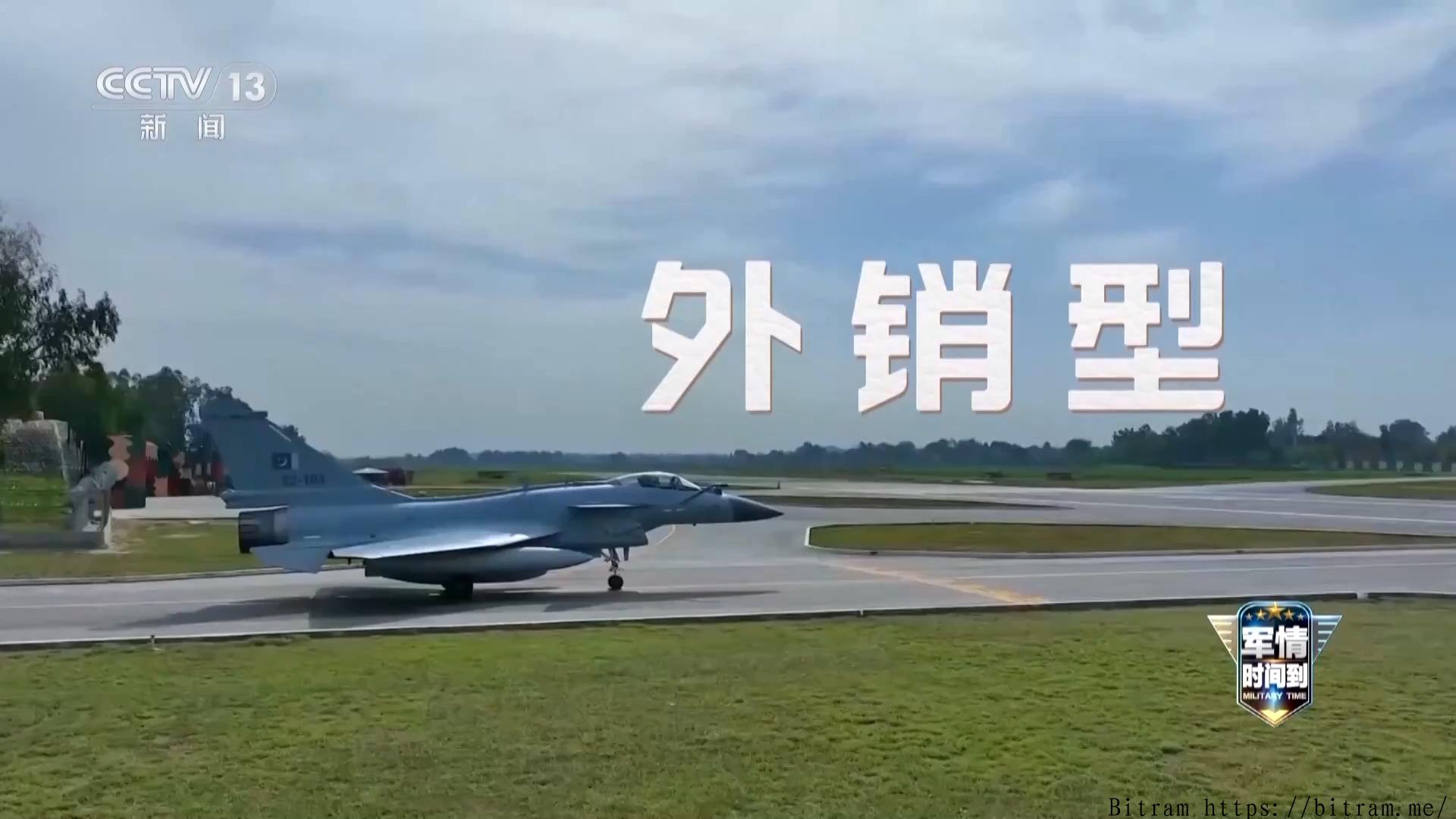
在近期的一次空中任务中,中国空军歼10C战机在飞行过程中遭到外国军机火控雷达的定向照射。面对这一具有明显挑衅性质的危险行为,中国飞行员没有选择回避,而是果断采取对等反制措施——以本机雷达回照对方,用行动宣示:中国飞行员不会在空中示弱。
雷达照射,究竟意味着什么? 火控雷达锁定,在军事航空领域绝非小事。这意味着对方已将武器系统瞄准目标,处于随时可发射状态。在国际空中规范中,这一行为被视为高度挑衅,是引发空中摩擦乃至冲突升级的重要导火索之一。歼10C此次遭遇火控雷达照射,性质严重。
对等反制:规则之内的强硬表态
中国飞行员选择"以牙还牙"的应对方式,折射出解放军空军日益成熟的空中博弈思维。对等原则在军事外交中是一种被广泛认可的回应逻辑——既不主动升级冲突,也绝不单方面退让。具体而言,这次反制传递出以下几层信号:
- 警告意味明确:告知对方,任何危险举动都将得到镜像式回应
- 克制而不软弱:未采取更激进的机动或武器动作,保持了局势可控
- 能力自信展示:歼10C的雷达性能足以构成实质性的对等威慑
从国际实践来看,美、俄等国飞行员在面对类似情况时,也普遍遵循对等响应原则,这已成为大国空军的默认博弈规则。
背后的地区安全态势
此次事件并非孤立。近年来,中国周边空域的摩擦频率明显上升,涉及多个方向的外国军机活动。从台海上空的侦察机往返,到南海方向的长期存在,外国军用航空器在中国周边的活动日趋密集。
空中对峙本质上是地缘政治博弈在三维空间的延伸,飞行员的每一个决策都承载着国家意志的重量。
歼10C作为中国空军现役主力多用途战机,配备有源相控阵雷达(AESA),具备超视距空战与多目标打击能力。其在此次事件中的表现,也印证了解放军空军在应对复杂空情时的快速反应与规则意识。
空中对抗从来不只是飞行员之间的个人较量,它是国家空军整体战略、规则认知与心理素质的综合体现。此次歼10C飞行员的对等回应,既是维护自身安全的必要之举,也是在无声中划定了不可逾越的底线。
Chinese J-10C Fighter Locked by Foreign Radar Mid-Air, Pilot Responds in Kind
During a recent airborne mission, a Chinese People's Liberation Army Air Force J-10C fighter jet was subjected to directed fire-control radar illumination by a foreign military aircraft. Rather than backing down from this clearly provocative and dangerous act, the Chinese pilot responded decisively — locking the foreign aircraft with his own radar in return, sending an unambiguous message: China's pilots will not yield in the skies.
What does radar illumination actually mean? In military aviation, being painted by a fire-control radar is far from a trivial matter. It signals that the adversary's weapons system has acquired the target and is in a ready-to-fire state. Under international airspace norms, such an act is considered a serious provocation — one of the most reliable triggers for aerial friction and potential escalation. The fact that a J-10C was subjected to this treatment underscores the gravity of the incident.
Tit-for-Tat: A Firm Response Within the Rules
The Chinese pilot's decision to respond in kind reflects an increasingly mature aerial confrontation doctrine within the PLA Air Force. The principle of reciprocity is a widely accepted logic in military diplomacy — neither initiating escalation nor unilaterally standing down. This particular response conveyed several layers of meaning:
- A clear warning: Any dangerous provocation will be met with a mirror response
- Restrained but not weak: No aggressive maneuvers or weapons deployment were initiated, keeping the situation under control
- A demonstration of capability: The J-10C's radar performance is sufficient to constitute genuine deterrent parity
Looking at international precedents, pilots from major air forces including the United States and Russia broadly follow the same reciprocity principle in similar situations — it has effectively become the default rule of engagement among great power air forces.
The Broader Regional Security Picture
This incident does not exist in a vacuum. In recent years, aerial friction in airspace surrounding China has increased noticeably, involving foreign military aircraft operating across multiple vectors. From reconnaissance flights over the Taiwan Strait to persistent presences in the South China Sea, foreign military aviation activity near China has grown steadily more intensive.
Aerial standoffs are, in essence, geopolitical competition extended into three-dimensional space — every decision a pilot makes carries the full weight of national will.
The J-10C, one of the PLAAF's primary multi-role fighters currently in active service, is equipped with an Active Electronically Scanned Array (AESA) radar and is capable of beyond-visual-range combat and multi-target engagement. Its performance in this incident further validates the PLA Air Force's capacity for rapid response and rules-awareness when navigating complex aerial situations.
Aerial confrontations are never merely a contest between individual pilots. They are a comprehensive expression of a nation's air force strategy, its understanding of the rules of engagement, and the psychological composure of its personnel. The J-10C pilot's measured, reciprocal response was both a necessary act of self-protection and a silent declaration of the lines that must not be crossed.
发表评论