特朗普扬言"夺取"伊朗石油,哈尔克岛或成下一个目标

美国总统特朗普近日公开表示有意"夺取"伊朗石油资源,并暗示不排除对伊朗最重要的石油出口枢纽哈尔克岛采取行动。此举被视为对伊朗能源战略的直接施压,引发国际社会高度关注。本文深度分析特朗普此番表态的背景、意图及潜在地缘政治影响。
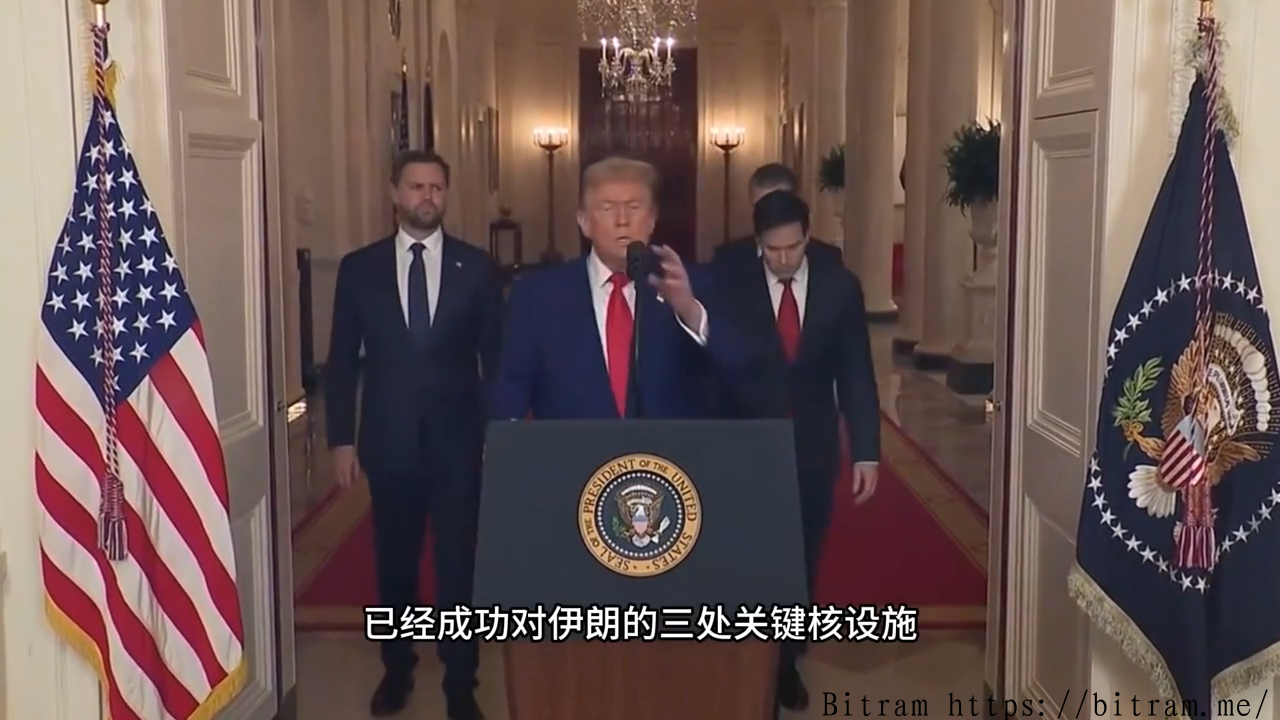
美国总统特朗普在接受《金融时报》专访时抛出重磅言论——他明确表示希望"夺取"伊朗的石油,甚至将委内瑞拉作为参照先例,暗示可能对伊朗核心能源资产采取强硬行动。更引人关注的是,他并未排除对哈尔克岛动手的可能性。这座波斯湾小岛承担着伊朗约90%的石油出口任务,是伊朗经济的命脉所在。
特朗普的这番表态并非空穴来风。自其第二任期开始,华盛顿对伊朗的施压策略便持续升温,从全面恢复"最大压力"制裁,到在外交场合频繁发出军事威胁,伊朗能源出口已成为美国对外博弈的核心筹码之一。此次公开提及哈尔克岛,将美伊石油博弈的烈度再度拉升至新高点。
哈尔克岛:伊朗石油的心脏
哈尔克岛位于波斯湾北部,距伊朗本土约25公里,岛上建有大型原油储存设施和出口码头。对于依赖石油收入维系国家运转的伊朗而言,哈尔克岛的战略价值几乎无可替代。一旦该岛遭到封锁或占领,伊朗的原油出口中断将在极短时间内引发财政危机。
值得注意的是,特朗普将伊朗与委内瑞拉相提并论,背后有着清晰的政治逻辑:
- 美国曾对委内瑞拉国家石油公司实施严厉制裁,并承认反对派控制的机构对相关资产拥有合法权益
- 这一模式被部分分析人士称为"能源资产重定向"策略
- 若将同样逻辑套用于伊朗,其操作空间与政治风险均远超委内瑞拉案例
国际能源市场的潜在震荡
特朗普的言论对全球原油价格走势的影响不容忽视。伊朗是OPEC成员国中的重要产油国,当前日均出口量已在制裁压力下大幅缩减,但仍通过非正式渠道维持一定规模的能源出口,主要买家集中在中国市场。
若局势升级至军事冲突或实质性封锁,霍尔木兹海峡作为全球约20%原油过境通道,将面临前所未有的安全风险,届时国际油价的剧烈波动将波及全球经济。
从现实角度来看,"占领哈尔克岛"在法理与军事层面均面临巨大阻力,特朗普此番表态更可能是一种极限施压的谈判策略,目的在于迫使伊朗回到核谈判桌前,接受美方条件。然而,在中东地缘局势本已高度紧张的当下,任何语言上的失控都可能触发意料之外的连锁反应。
综合来看,特朗普"夺取伊朗石油"的言论是当前美伊关系急剧恶化的缩影,哈尔克岛的战略地位使其成为这场博弈中最敏感的节点。国际社会需要密切关注后续外交动向,以及伊朗的反应是否会进一步推高全球能源市场的不确定性。
Trump Vows to "Seize" Iranian Oil, Kharg Island Could Be Next Target
In a high-profile interview with the Financial Times, U.S. President Donald Trump made a striking declaration: he wants to "seize" Iran's oil, citing Venezuela as a precedent for how such a move might unfold. Even more provocatively, Trump refused to rule out taking action against Kharg Island — a small but strategically vital island in the Persian Gulf responsible for roughly 90% of Iran's oil exports and a cornerstone of its national economy.
These remarks did not emerge in a vacuum. Since the start of his second term, Trump has steadily intensified pressure on Tehran, reinstating a sweeping "maximum pressure" sanctions campaign and repeatedly issuing veiled military threats. By publicly naming Kharg Island, Trump has raised the stakes in the U.S.-Iran oil standoff to a new level of confrontation.
Kharg Island: The Lifeline of Iran's Oil Economy
Situated in the northern Persian Gulf approximately 25 kilometers off the Iranian coast, Kharg Island houses major crude oil storage facilities and export terminals. For a nation whose fiscal stability depends heavily on petroleum revenues, the island's strategic value is virtually irreplaceable. A blockade or occupation of Kharg Island could trigger a financial crisis in Iran within a matter of weeks.
Trump's comparison of Iran to Venezuela carries a clear political subtext:
- The U.S. previously imposed sweeping sanctions on Venezuela's state oil company and recognized opposition-controlled entities as legitimate claimants to its energy assets
- Some analysts describe this approach as an "energy asset redirection" strategy
- Applying the same logic to Iran, however, involves far greater geopolitical complexity and risk than the Venezuelan case ever did
Potential Shockwaves for Global Energy Markets
Trump's statements carry significant implications for global crude oil price trends. Iran remains a key producer within OPEC, and while sanctions have sharply curtailed its official export volumes, the country continues to ship oil through informal channels — primarily to Chinese buyers.
Should the situation escalate into military conflict or a tangible blockade, the Strait of Hormuz — through which approximately 20% of the world's oil supply passes — would face unprecedented security risks, with potential price shocks rippling across the global economy.
In practical terms, "occupying Kharg Island" faces enormous legal and military obstacles. Trump's remarks are more likely a form of extreme pressure tactics designed to push Iran back to the nuclear negotiating table on American terms. Yet in a region where tensions are already running dangerously high, even rhetorical escalation can set off unforeseen chain reactions.
In summary, Trump's threat to "seize Iranian oil" reflects the sharply deteriorating state of U.S.-Iran relations, with Kharg Island emerging as the most sensitive flashpoint in this high-stakes standoff. The international community will be watching closely to see whether Tehran's response further amplifies uncertainty across global energy markets.
发表评论