德黑兰遭以色列两轮空袭!原油暴涨超2%,黄金白银同步跳水,中东局势急剧升温

以色列对伊朗首都德黑兰发动两轮大规模空袭,超120枚弹药摧毁武器生产设施,伊朗洪达卜重水工厂严重损毁停运。受地缘冲突升级影响,国际油价WTI与布伦特原油涨逾2%,现货黄金跌超0.9%,白银跌逾2%,全球大宗商品市场剧烈震荡,中东战局走向牵动市场神经。
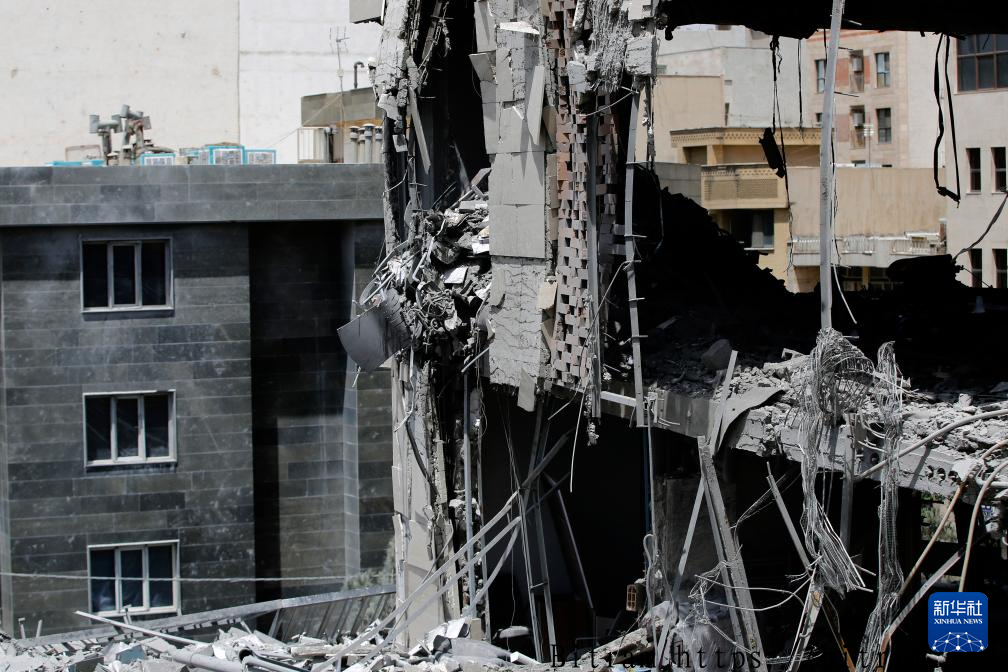
北京时间3月30日凌晨,以色列对伊朗首都德黑兰采取了迄今最大规模的直接军事行动——在短短十余分钟内,德黑兰多处目标连续承受两轮密集空袭,部分区域随后出现大范围停电。以军方公布的数据显示,此次行动动用数十架战机,共投放超过 120枚弹药,打击对象集中于伊朗的武器研发与生产相关设施,目标是"进一步削弱伊朗的军工能力"。与此同时,国际原子能机构确认,位于阿拉克市附近的洪达卜重水工厂已遭严重破坏,完全停止运行,不过该设施内未申报任何核材料。
这一突发事件迅速向全球金融市场传导。WTI原油与布伦特原油开盘双双大幅上扬,涨幅均超过2%,市场对中东产油区供应中断的担忧情绪迅速升温。与此形成鲜明对比的是,被视为避险资产的现货黄金反而跳水下跌超过0.9%,白银跌幅更超过2%——这一"避险资产不避险"的异常现象,或与短期获利了结及美元走强的共同压制有关。
冲突持续扩大:美以联合行动浮出水面
值得关注的是,在空袭发生前夕,美国中央司令部司令专程赴以色列与以军总参谋长会晤,双方明确讨论了针对伊朗军工体系的"联合军事行动",这意味着本轮打击并非以色列的单边行为,背后有美方深度介入的痕迹。
目前,以色列在地区战场上同时面对多条战线的压力:
- 伊朗本土:持续以空袭打击伊朗核与军工设施
- 黎巴嫩真主党:北部边境方向的武装对峙尚未平息
- 也门胡塞武装:不断对以色列本土及周边目标发动远程打击
伊朗外交部方面则明确表态,美方通过斡旋渠道传递的谈判条件"极端且不合理",未体现任何善意。伊朗声称将动用一切手段防止再次遭到袭击,并强调其军事回应将精准指向美国在中东的军事基地和资产,而非针对阿拉伯国家平民。
市场影响与后市展望
从大宗商品市场的角度来看,中东地缘风险溢价正在快速向原油价格中计入。伊朗作为全球重要产油国,一旦冲突进一步蔓延至波斯湾航运通道,国际油价面临的上行压力将远不止于此。
黄金与白银的短期回调,并不代表避险逻辑的瓦解,更可能是市场在剧烈波动中的技术性修正。黄金中长期走势依然受到地缘政治不确定性、全球央行持续购金以及美联储降息预期的多重支撑。
对于国内投资者而言,中国资产在此轮动荡中的"安全港"属性值得关注——外部风险的持续发酵,反而可能加速国际资本向中国市场的流入,A股中长期逻辑并未因此受损。
综合来看,德黑兰空袭事件标志着中东局势进入新的高烈度阶段,原油供应风险、地缘博弈走向以及各方外交回旋空间,将在未来数周内持续主导全球市场情绪。
Tehran Hit by Two Rounds of Israeli Airstrikes: Oil Surges 2%, Gold and Silver Tumble as Middle East Tensions Escalate
In the early hours of March 30 (Beijing Time), Israel launched what appears to be its most significant direct military strike against the Iranian capital to date. Within a span of just over ten minutes, multiple targets across Tehran were struck in two successive waves of heavy bombardment, leaving parts of the city without power in the aftermath. The Israeli military stated that dozens of warplanes were deployed, dropping more than 120 munitions aimed at facilities linked to Iran's weapons research and production, with the stated objective of "further degrading Iran's military-industrial capabilities." The International Atomic Energy Agency (IAEA) subsequently confirmed that the Arak Heavy Water Plant near the city of Arak had sustained severe damage and was no longer operational, though no declared nuclear material was present at the site.
The fallout from this dramatic escalation reverberated immediately through global financial markets. WTI crude and Brent crude both opened sharply higher, each gaining more than 2%, as traders priced in the risk of supply disruptions from the Middle East. In a counterintuitive move, spot gold — typically a go-to safe-haven asset — fell more than 0.9%, while silver dropped over 2%. This unusual divergence from traditional safe-haven behavior is likely attributable to a combination of short-term profit-taking and broad-based U.S. dollar strength.
A U.S.-Israel Joint Operation Comes Into Focus
Notably, the commander of U.S. Central Command traveled to Israel on the eve of the strikes and held talks with the Israeli military chief of staff. The two sides reportedly discussed ongoing joint military operations targeting Iran's defense-industrial complex — a disclosure that suggests the current campaign extends well beyond unilateral Israeli decision-making, with Washington playing a deeply embedded role.
On the ground, Israel is simultaneously managing multiple active fronts:
- Iran proper: Sustained airstrikes targeting nuclear and military-industrial infrastructure
- Hezbollah in Lebanon: An ongoing armed standoff along the northern border
- Houthi forces in Yemen: Persistent long-range strikes directed at Israeli territory and regional assets
Iran's Foreign Ministry, for its part, flatly rejected the terms conveyed through U.S. intermediaries as "extreme and unreasonable," saying they showed no genuine diplomatic good faith. Tehran warned that it would use every means at its disposal to prevent further attacks, while specifying that any retaliatory military action would be directed at U.S. military bases and assets in the region — not at Arab states or their civilians.
Market Implications and the Road Ahead
From a commodities perspective, Middle East geopolitical risk premiums are being rapidly repriced into crude oil. Iran is a significant global oil producer, and should the conflict spread to threaten shipping lanes through the Strait of Hormuz, upward pressure on oil prices could intensify well beyond current levels.
The short-term pullback in gold and silver should not be read as a collapse in safe-haven demand. It is more likely a technical correction amid extreme volatility. Gold's medium-to-long-term outlook remains underpinned by multiple structural factors: persistent geopolitical uncertainty, continued central bank gold buying globally, and expectations of Federal Reserve rate cuts.
For investors focused on Chinese markets, the ongoing turbulence abroad may actually reinforce the appeal of Chinese assets as a relative safe harbor. External instability could accelerate international capital flows into China, leaving the medium-to-long-term investment thesis for A-shares fundamentally intact.
In summary, the Tehran airstrikes mark a significant escalation toward high-intensity conflict in the Middle East. The trajectory of oil supply risk, geopolitical maneuvering, and the remaining diplomatic off-ramps will be the dominant drivers of global market sentiment in the weeks ahead.
发表评论