哈佛教授预测:人民币将在5年内成为全球储备货币,这一判断有何依据?

哈佛大学知名教授近期预测,人民币将在未来5年内跻身全球主要储备货币行列。本文从人民币国际化进程、全球去美元化趋势及中国经济体量等角度,深度解析这一判断的现实依据与潜在挑战,带你理性看待人民币储备货币地位的未来走向。
一位来自哈佛大学的著名经济学教授近期公开表示,人民币有望在未来5年内正式跻身全球储备货币的核心行列。这一判断在国际金融界迅速引发广泛讨论——人民币国际化究竟走到了哪一步?这个预测是乐观愿景,还是有迹可循的现实推演?
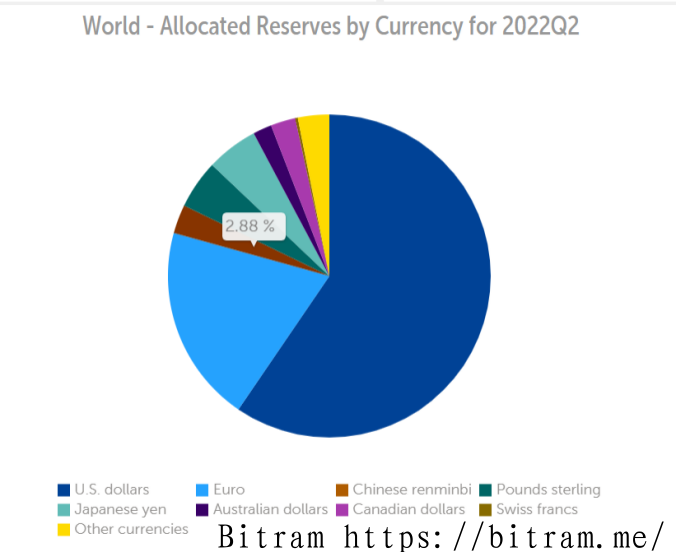
事实上,人民币的国际地位近年来已悄然发生变化。国际货币基金组织(IMF)数据显示,人民币在全球外汇储备中的占比虽然仍远低于美元和欧元,但呈持续上升趋势。与此同时,越来越多的国家和地区开始接受以人民币结算的双边贸易协议,这为人民币扩大国际使用奠定了实质基础。
去美元化浪潮提供了外部窗口
近年来,全球去美元化趋势已从边缘议题逐渐走向主流视野。俄罗斯、伊朗、部分中东及东南亚国家出于规避制裁或降低汇率风险的考量,主动寻求美元替代方案。人民币凭借中国庞大的贸易体量和相对稳定的汇率政策,成为这一进程中最具竞争力的候选货币之一。
"储备货币的形成不是一夜之间的事,但一旦达到临界点,转变会比预期更快。"
这一逻辑与哈佛教授的判断高度契合。中国是全球最大的货物贸易国,人民币跨境支付系统(CIPS) 的持续扩张,也在基础设施层面为人民币的全球流通提供了有力支撑。
挑战依然不容忽视
当然,5年时间表并非没有争议。人民币要真正成为主流储备货币,至少还面临以下几道坎:
- 资本账户开放程度有限:外国投资者进出中国金融市场仍受诸多限制,流动性顾虑制约了各国央行的持仓意愿
- 汇率机制透明度:相较于自由浮动货币,人民币的管理汇率机制在一定程度上影响市场信心
- 地缘政治不确定性:中美关系的走向,直接影响国际社会对人民币资产安全性的判断
此外,美元数十年积累的网络效应与制度信任,并非短期内可以轻易撼动的。
综合来看,哈佛教授的预测代表了一种有理论支撑的前瞻性判断,而非空穴来风。人民币国际化的方向是明确的,但节奏和幅度仍高度依赖于中国金融市场的开放速度与全球地缘政治格局的演变。 5年能否实现,或许不是最重要的问题——真正值得关注的,是这个进程正在以超出多数人预期的速度向前推进。
Harvard Professor Predicts Chinese Yuan Will Become a Global Reserve Currency Within 5 Years
A prominent economics professor at Harvard University has publicly stated that the Chinese yuan (RMB) could officially join the ranks of the world's core reserve currencies within the next five years. This prediction has sparked widespread debate in international financial circles — how far has RMB internationalization actually progressed, and is this forecast an optimistic vision or a realistic projection backed by evidence?
In fact, the yuan's international standing has been quietly shifting in recent years. Data from the International Monetary Fund (IMF) shows that while the RMB's share of global foreign exchange reserves remains well below that of the US dollar and euro, it has been on a steady upward trajectory. Meanwhile, a growing number of countries have embraced bilateral trade agreements settled in yuan, laying a tangible foundation for broader international adoption.
The De-Dollarization Wave Opens a Window of Opportunity
In recent years, the global de-dollarization trend has moved from the fringes to the mainstream. Russia, Iran, and several Middle Eastern and Southeast Asian nations — motivated by sanctions avoidance or a desire to reduce exchange rate exposure — have been actively seeking alternatives to the dollar. With China's massive trade footprint and relatively stable currency policy, the RMB has emerged as one of the most competitive candidates in this shift.
"Reserve currency status doesn't happen overnight, but once a tipping point is reached, the transformation can come faster than expected."
This logic aligns closely with the Harvard professor's assessment. As the world's largest goods trading nation, China's continuously expanding Cross-Border Interbank Payment System (CIPS) also provides crucial infrastructure-level support for the yuan's global circulation.
Challenges Remain Significant
That said, the five-year timeline is not without controversy. For the RMB to truly become a mainstream reserve currency, it still needs to clear several major hurdles:
- Limited capital account openness: Foreign investors still face considerable restrictions when entering and exiting Chinese financial markets, and liquidity concerns temper central banks' willingness to hold yuan reserves
- Exchange rate mechanism transparency: Compared to freely floating currencies, the RMB's managed exchange rate system somewhat undermines market confidence
- Geopolitical uncertainty: The trajectory of US-China relations directly shapes how the international community perceives the safety of yuan-denominated assets
Beyond these factors, the dollar's decades-long network effects and institutional credibility cannot be easily displaced in the short term.
On balance, the Harvard professor's prediction represents a forward-looking judgment with sound theoretical backing, not mere speculation. The direction of RMB internationalization is clear, but the pace and scale remain highly dependent on the speed of China's financial market liberalization and the evolution of the global geopolitical landscape. Whether five years is achievable may not be the most important question — what truly deserves attention is that this process is advancing faster than most people anticipated.
发表评论