以军50余架战机空袭伊朗核设施与武器基地,中东局势再度骤然升温

以色列出动逾50架战机,对伊朗核设施及武器储备基地发动大规模空袭,此次行动规模之大、目标之敏感,引发国际社会高度关注。本文分析此次打击的战略意图、可能造成的地区连锁反应,以及伊以冲突对中东局势的深远影响。
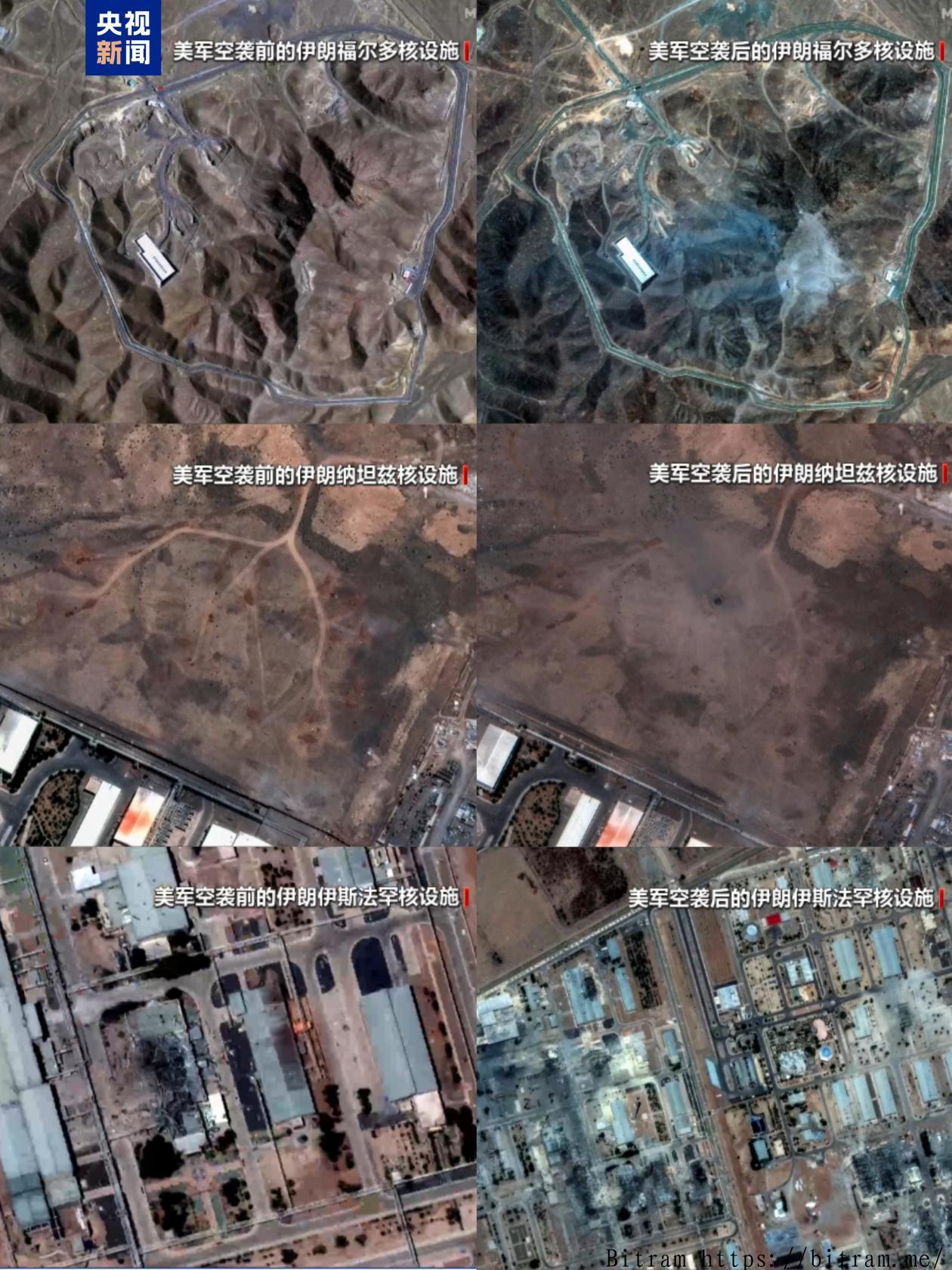
以色列近日出动逾50架战机,对伊朗境内的核设施及军事武器基地发动大规模定点打击,行动涉及多处敏感目标,是近年来以色列针对伊朗规模最大的单次军事行动之一。此次空袭不仅在规模上远超此前的零星报复行动,更直接指向伊朗核计划的核心节点,释放出极为强烈的战略信号。
以军此番行动被普遍视为对此前伊朗对以色列发动导弹与无人机攻击的正式军事回应。以色列长期将伊朗核武化进程视为其国家生存的最大威胁,此次打击在目标选择上兼顾核研发基础设施与弹道导弹武器库,显示出以军参谋层经过精密规划,意在同时削弱伊朗的"制造能力"与"投送能力"。
此次打击有何战略意图?
从军事逻辑来看,以色列此次行动至少传递了三层意图:
- 威慑升级:通过大规模出动展示空中作战实力,令伊朗及其代理武装重新评估对以行动的代价
- 破坏核进程:直接打击与铀浓缩或核弹头研发相关的基础设施,推迟伊朗形成核能力的时间窗口
- 消耗武器储备:摧毁弹道导弹及精确制导武器库,压缩伊朗未来发动远程打击的能力
这不仅是一次报复行动,更是以色列在对伊战略上的主动出击,标志着双方冲突从"阴影战争"向公开军事对抗的阶段性转变。
值得关注的是,以伊直接军事对抗的持续升温,已令整个中东地区的安全架构承压。石油市场对地缘冲突高度敏感,此类大规模打击行动往往在短期内推动国际油价上行,对全球能源供应链产生传导效应。
地区局势将如何演变?
伊朗方面大概率不会就此沉默。历史经验表明,德黑兰在遭受重大打击后,往往选择通过黎巴嫩真主党、也门胡塞武装等代理力量实施间接反制,而非立即采取对等的直接军事报复,以避免触发更大规模冲突。
国际社会的反应同样值得观察。美国、欧盟等西方国家在以伊冲突升级问题上态度微妙——既不愿看到伊朗拥核,又担忧全面战争引发的地区失控与难民危机。如何在盟友支持与危机管控之间寻求平衡,将是各方外交斡旋的核心议题。
综合来看,此次以军大规模空袭伊朗核设施与武器基地,是伊以两国长期战略博弈中的一次关键节点,其后续影响将波及中东地缘政治格局、全球能源市场以及国际核不扩散体系,值得持续跟踪关注。
Israeli Air Force Launches Massive Strike on Iran's Nuclear Sites and Weapons Bases with 50+ Jets
Israel recently deployed more than 50 fighter jets to carry out a large-scale precision strike against Iran's nuclear facilities and military weapons depots. Hitting multiple sensitive targets in a single operation, this marks one of the most expansive unilateral military actions Israel has taken against Iran in recent years. The scale of the assault dwarfs previous tit-for-tat retaliatory exchanges and sends a sharp strategic message by striking directly at the core nodes of Iran's nuclear program.
The operation is widely interpreted as Israel's formal military response to Iran's earlier barrage of ballistic missiles and drones launched at Israeli territory. Israel has long regarded Iran's nuclear weaponization as the gravest existential threat to the state. By targeting both nuclear research infrastructure and ballistic missile arsenals in the same sortie, Israeli military planners appear to have pursued a dual-track objective: simultaneously degrading Iran's capacity to build and its capacity to deliver.
What Are the Strategic Objectives?
From a military logic standpoint, the operation communicates at least three distinct layers of intent:
- Escalation deterrence: The sheer scale of the sortie is designed to signal air-power dominance and force Iran—and its proxy forces—to recalculate the cost of future action against Israel
- Disrupting the nuclear timeline: Striking infrastructure linked to uranium enrichment or warhead development aims to push back the window in which Iran could achieve nuclear capability
- Degrading the missile arsenal: Destroying stores of ballistic and precision-guided munitions limits Iran's ability to conduct large-scale long-range strikes going forward
This was not merely a retaliatory strike—it represents an assertive shift in Israel's Iran strategy, marking a transition from the long-running "shadow war" toward open, direct military confrontation.
It is also worth noting that the sustained escalation of direct Israel-Iran military hostilities is placing the entire Middle East security architecture under strain. Energy markets are acutely sensitive to geopolitical shocks of this nature, and large-scale strikes on Iranian territory typically drive short-term spikes in crude oil prices, sending ripple effects through global energy supply chains.
How Will the Regional Situation Evolve?
Tehran is unlikely to remain silent. Historical precedent suggests that following a significant military blow, Iran tends to pursue indirect countermeasures—channeling retaliation through proxies such as Hezbollah in Lebanon or the Houthi movement in Yemen—rather than launching an immediate symmetrical military response, in order to avoid triggering a full-scale conflict.
The international community's reaction will be equally consequential. Western powers including the United States and the European Union face a delicate balancing act on the Israel-Iran conflict escalation: they are unwilling to accept a nuclear-armed Iran, yet equally wary of a full regional war that could spiral into humanitarian catastrophe and mass displacement. Navigating support for an ally against the imperative of crisis containment will be the central challenge in the diplomatic maneuvering ahead.
In summary, Israel's massive airstrike on Iran's nuclear facilities and weapons bases represents a pivotal inflection point in the two countries' long-running strategic rivalry. The downstream consequences—for Middle Eastern geopolitics, global energy markets, and the international nuclear non-proliferation regime—will be significant and merit close, sustained attention.
发表评论