广东省政协副主席郭永航被查:中央纪委介入,反腐持续向纵深推进

广东省政协党组成员、副主席郭永航因涉嫌严重违纪违法,目前已接受中央纪委国家监委的纪律审查和监察调查。此次查处再度表明中央对地方高级别官员的反腐力度持续加强,广东政界反腐态势引发广泛关注。
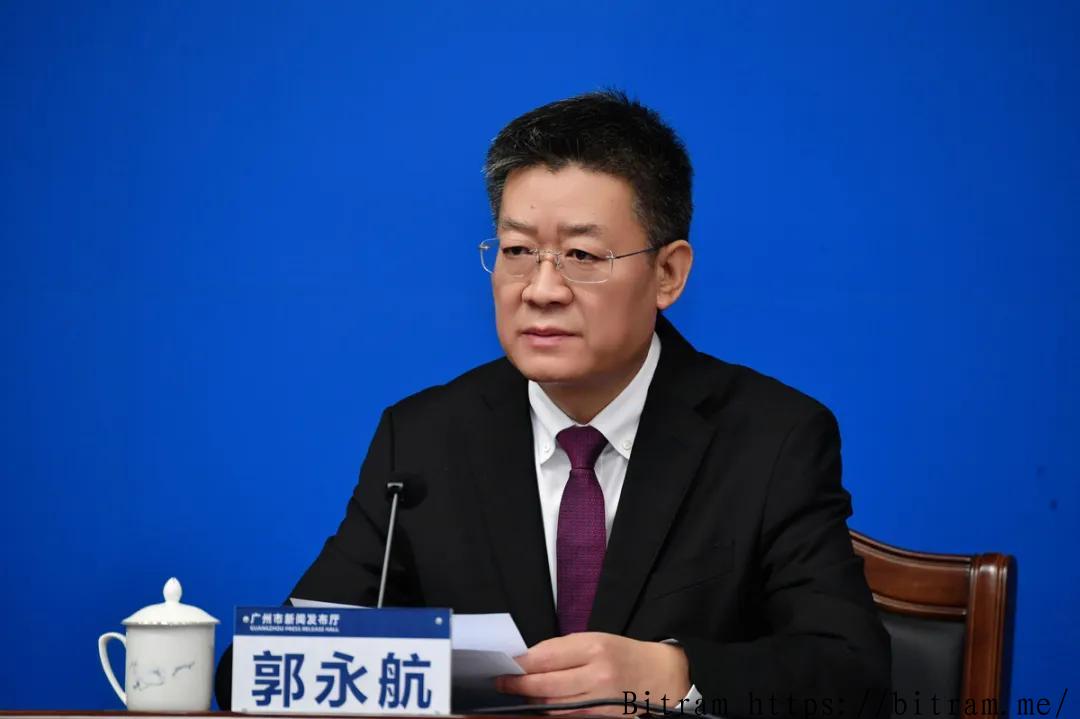
广东省政协党组成员、副主席郭永航近日被宣布接受中央纪委国家监委的纪律审查和监察调查,案由为涉嫌严重违纪违法。这一消息的公布,意味着又一名省级正职序列的高级别官员落入反腐"法网",再度引发外界对广东政治生态的高度关注。
郭永航曾长期在广东省内担任要职,此番由中央纪委国家监委直接介入调查,而非省级纪检部门主导,显示出此案的级别较高、情节受到中央层面的高度重视。这也是近年来广东持续推进反腐败斗争的又一标志性节点。
高层反腐力度不减,省级官员接连落马
从近年来的反腐态势来看,省部级及以上官员被查的案例愈发频繁,且往往由中央直接部署调查,体现出"不设禁区、不留死角"的反腐决心。广东作为经济大省,长期处于资本密集、权力寻租风险较高的环境中,历史上已有多名高级别官员因违纪违法被查处。
此次郭永航案,有以下几个值得关注的要点:
- 查处层级高:由中央纪委国家监委直接立案,规格较高
- 职务敏感:政协系统作为重要统战平台,副主席一职承担多项政治职能
- 时间节点:当前正值全国深化推进政治纪律和廉洁纪律专项整治的关键阶段
反腐常态化背景下的深层信号
有观察人士指出,本次查处并非孤立事件,而是党纪国法面前没有例外这一执政逻辑的具体体现。无论是党政系统还是政协、人大等机构,均已被纳入全面从严治党的监督视野。对于手握一定资源分配权的领导干部而言,此类案例具有极强的警示效应。
值得注意的是,地方政协系统长期以来在公众视野中存在感相对较低,但其成员往往在地方经济决策、招商引资、政策对接等方面扮演重要角色。郭永航案的查处,或将推动外界对政协系统权力运行机制的进一步审视。
总体而言,广东省政协副主席郭永航被查一事,是中央全面推进反腐败斗争的最新进展,也再次表明高压反腐态势在新时期不会松懈。随着调查的深入推进,案件的更多细节有望逐步浮出水面。
Guo Yonghang, Vice Chairman of Guangdong CPPCC, Under Investigation by Central Anti-Corruption Authority
Guo Yonghang, a member of the Standing Committee of the Guangdong Provincial Committee of the Chinese People's Political Consultative Conference (CPPCC) and Vice Chairman of the body, has been placed under formal investigation by the Central Commission for Discipline Inspection (CCDI) and the National Supervisory Commission on suspicion of serious violations of Party discipline and national law. The announcement has drawn widespread attention to the political landscape of Guangdong province and signals yet another high-profile anti-corruption action targeting a senior official at the provincial level.
Guo had long held key positions within Guangdong's political system. The fact that the CCDI and National Supervisory Commission — the country's top disciplinary and supervisory bodies — are directly overseeing this case, rather than provincial-level authorities, underscores the gravity of the allegations and the central government's direct involvement. This marks another significant milestone in Guangdong's ongoing anti-corruption campaign.
Senior Officials Continue to Fall as Anti-Corruption Drive Intensifies
In recent years, the investigation and prosecution of officials at the provincial and ministerial level has become increasingly common, with many cases handled directly by central authorities. This reflects a firm commitment to tackling corruption with no exceptions and no blind spots. As one of China's most economically powerful provinces, Guangdong has historically been exposed to higher risks of rent-seeking behavior given its dense capital flows and complex administrative networks. Several senior officials from the province have previously been brought down in anti-corruption investigations.
Key points worth noting in the Guo Yonghang case include:
- High-level jurisdiction: The case is being handled directly by the CCDI and National Supervisory Commission, indicating its elevated profile
- Sensitive position: As Vice Chairman of the CPPCC — a key political advisory and united front institution — Guo held influence across multiple policy areas
- Critical timing: The investigation comes during an active phase of nationwide campaigns targeting political discipline and integrity violations
A Deeper Signal Amid Normalized Anti-Corruption Enforcement
Observers note that this case is not an isolated incident, but rather a concrete expression of the governing principle that no one is above Party rules and national law. Whether in Party, government, legislative, or advisory institutions like the CPPCC and the National People's Congress, all bodies now fall within the scope of comprehensive Party self-governance.
It is also worth noting that the CPPCC system has traditionally maintained a lower public profile compared to Party and government organs. Yet its members often play meaningful roles in local economic decision-making, investment facilitation, and policy coordination. The investigation of Guo may prompt closer scrutiny of how power operates within the CPPCC framework.
In summary, the investigation into Guangdong CPPCC Vice Chairman Guo Yonghang represents the latest development in China's sustained anti-corruption effort, reaffirming that the high-pressure approach to discipline enforcement remains firmly in place. As the investigation progresses, further details of the case are expected to emerge in the coming weeks.
发表评论