从说唱歌手到国家总理:35岁的巴伦德拉·沙阿如何改写尼泊尔政治格局

2025年3月27日,尼泊尔说唱歌手、前加德满都市长巴伦德拉·沙阿宣誓就任第47任总理,成为尼泊尔近年最年轻领导人之一。其领导的民族独立党在议会选举中赢得近三分之二席位,标志着尼泊尔政坛深刻的世代更迭。本文深度还原就职现场,并分析巴伦德拉面临的改革挑战。
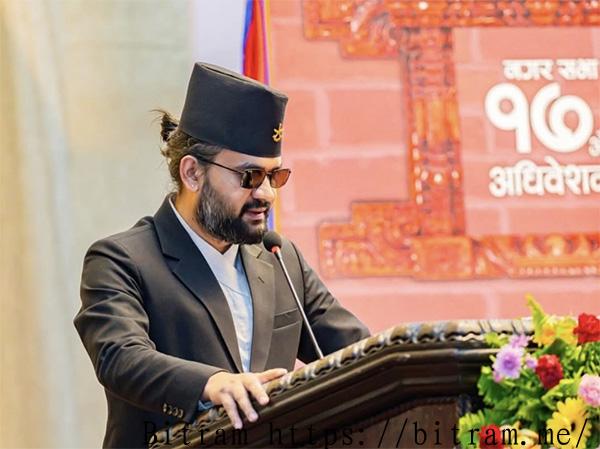
当地时间2025年3月27日12时34分,这个时间并非偶然——依照宗教占星推算出的"吉时",巴伦德拉·沙阿在尼泊尔总统府正式宣誓就任第47任总理。35岁的他,此前身兼说唱歌手、结构工程师与加德满都市长三重身份,如今又多了一个头衔:尼泊尔近年来最年轻的政府首脑之一。就职当天,他依然是标志性的全身黑色装束——黑帽、黑西装、黑裤、黑鞋、黑墨镜,仪式开始前低头刷着手机,神情自若,仿佛习惯了聚光灯,却又不在乎聚光灯。
就在宣誓前一天,巴伦德拉还在YouTube上发布了说唱新作《胜利属于摩诃迦梨》,以音乐宣示国家团结的政治主张。从麦克风到誓词,他并不打算在艺术家与政治家之间二选一。
一场选举,一次世代更迭
巴伦德拉领导的尼泊尔民族独立党(RSP)成立不足四年,却在3月5日的联邦议会众议院选举中拿下近三分之二席位,一跃成为议会第一大党。这一结果的背后,是长期政治动荡积累的民众疲倦,以及年轻一代对传统精英政治的集体反叛。
对许多观察者而言,这与其说是一场选举的胜利,不如说是一次迟到已久的政治世代交替。
就职仪式本身也充满尼泊尔特色:7名婆罗门祭司吹响法螺,108名婆罗门学童吟诵印度教祝辞,107名佛教喇嘛与之对诵——印度教与佛教在同一屋檐下并行共鸣,折射出这个国家数百年来宗教共生的政治智慧,也体现了新政府在多元文化治理议题上延续传统的姿态。
新内阁共14名成员,其中包含5名女性,在尼泊尔政坛中属于较高比例。值得关注的是,曾参与2024年9月社会抗议活动的NGO负责人苏丹·古隆被任命为内政部长,显示出巴伦德拉将民间力量纳入核心治理圈的政治意图。
音乐之外,挑战才刚开始
巴伦德拉的崛起固然令人瞩目,但尼泊尔政治改革的真正考验在执政之后。眼下最紧迫的两大难题摆在他面前:
- 官僚体制积弊:长期腐败与低效的行政系统,绝非一届政府可以轻易撼动
- 青年人才外流:大量年轻劳动力出走海外务工,经济结构转型压力巨大
分析人士指出,巴伦德拉以鲜明的改革姿态挑战既有治理模式,赢得了广泛的社会期待,但部分政策在推进过程中因前期论证或公众沟通不足,也曾引发争议。如何在保持改革魄力的同时建立更稳健的决策机制,是他执政能力的核心考验。
宣誓结束后,巴伦德拉如旋风般离场,而现场的欢呼声仍在回荡。属于他的尼泊尔时代已经开幕,音乐仍是他与民众沟通的语言,但治国之路的复杂程度,远超任何一首说唱的歌词。
From Rap to Oath of Office: How 35-Year-Old Rapper Balkendra Shah Is Rewriting Nepal's Political Landscape
At exactly 12:34 p.m. local time on March 27, 2025 — a moment chosen according to religious and astrological calculations as an auspicious hour — Balkendra Shah was sworn in as Nepal's 47th Prime Minister at the Presidential Palace. At 35, he had already worn three distinct hats: rapper, structural engineer, and former Mayor of Kathmandu. Now he adds another: one of Nepal's youngest heads of government in recent memory. True to form, he arrived in his signature all-black ensemble — black cap, black suit, black trousers, black shoes, black sunglasses — scrolling through his phone with quiet composure moments before the ceremony, looking like someone entirely accustomed to being watched, yet entirely unbothered by it.
Just one day before taking the oath, Shah had uploaded a new rap track to YouTube titled Jai Mahakali (Victory to Mahakali), a song centered on national unity that he originally wrote over a decade ago and recently re-produced with footage from his campaign trail. He clearly has no intention of choosing between artist and statesman — and those close to him say more music is on the way.
An Election, and a Generational Shift
Shah's Rastriya Swatantra Party (RSP), founded less than four years ago, captured nearly two-thirds of seats in the House of Representatives in the March 5 federal elections, emerging as the single largest party in parliament. Behind this stunning result lies a population worn down by decades of political turbulence and a younger generation in open revolt against Nepal's entrenched political establishment.
For many observers, this was less an electoral victory than a long-overdue changing of the guard.
The inauguration ceremony itself was quintessentially Nepali: seven Brahmin priests blew conch shells in deep, resonant tones; 108 Brahmin students chanted Hindu blessings; and 107 Buddhist monks chanted in response, face to face with them. Hinduism and Buddhism resonating under the same roof — it was a vivid emblem of Nepal's centuries-old tradition of religious coexistence, and a signal that the new government intends to honor that pluralist legacy.
The new cabinet comprises 14 members, five of whom are women — a comparatively high proportion by Nepal's political standards. Notably, Sudan Gurung, a 36-year-old NGO director who was a prominent figure in the September 2024 protests, has been appointed Home Minister, signaling Shah's intent to bring civil society voices into the core of governance.
Beyond the Music, the Real Test Begins
Shah's rise is undeniably remarkable, but the true measure of Nepal's political reform will be written in the months and years of governing ahead. Two urgent challenges demand immediate attention:
- An entrenched bureaucracy: Deeply rooted corruption and administrative inefficiency cannot be dismantled by a single administration's good intentions alone
- Youth emigration and economic stagnation: With large numbers of young Nepalis leaving for work abroad, restructuring the domestic economy is both critical and enormously difficult
Analysts note that while Shah's bold reform posture has generated wide public enthusiasm, some of his past policy moves drew criticism for insufficient groundwork or inadequate public consultation. Sustaining reformist momentum while building more rigorous decision-making processes will be the defining test of his leadership.
After the swearing-in ceremony, Shah exited like a gust of wind, leaving the cheers of the crowd still echoing in the courtyard. Nepal's Shah era has officially begun. Music will remain his language for connecting with the people — but governing a nation is a far more complex composition than any rap verse he has ever written.
发表评论