德黑兰遭以色列两轮大规模空袭,黄金白银跳水、原油飙涨超2%,中东局势急剧升温

以色列战机对伊朗首都德黑兰实施两轮大规模空袭,超120枚弹药摧毁武器生产设施,洪达卜重水工厂严重受损。受地缘风险冲击,现货黄金跌超0.9%、白银跌逾2%,WTI与布伦特原油双双涨逾2%。中东局势持续恶化,全球大宗商品市场剧烈震荡,投资者需密切关注风险资产走向。
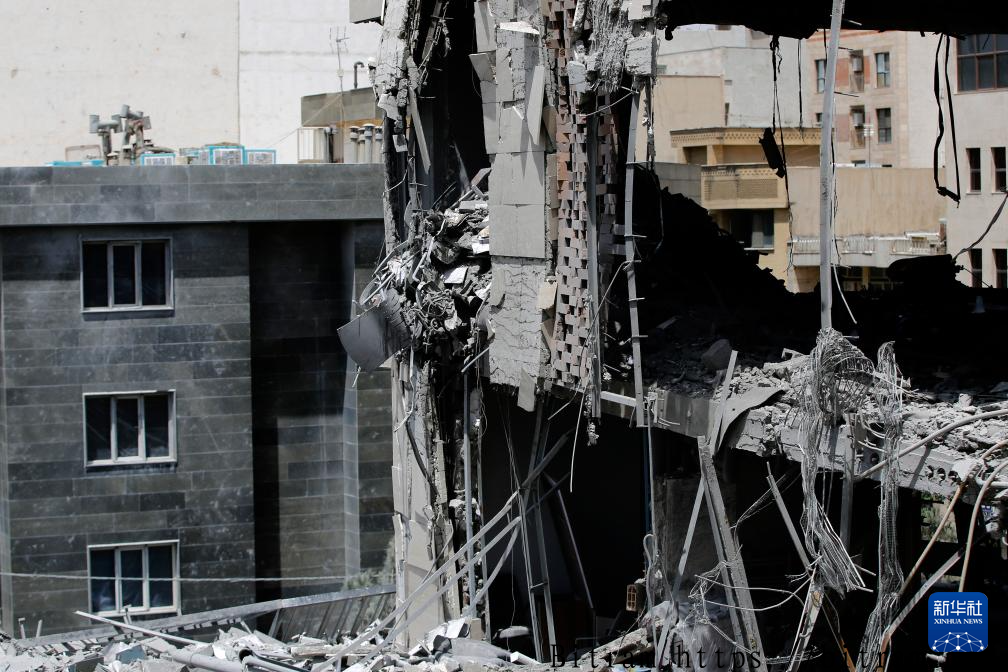
北京时间3月30日凌晨,以色列对伊朗首都德黑兰发动了近期最大规模的军事打击行动。十多分钟内,德黑兰多处目标连续承受两轮空袭,部分城区随后出现断电。以军方表示,此次共出动数十架战机、投入超过120枚弹药,目标直指伊朗武器研发与生产相关设施,旨在进一步削弱其军事工业能力。
消息传出后,国际大宗商品市场应声剧烈波动。现货黄金开盘一度短暂飘红,随后急转直下,跌幅扩大至0.9%以上;白银跌势更为明显,跌幅超过2%。传统避险资产的下跌,折射出市场对于地缘风险快速定价后的获利了结情绪。与此同时,WTI原油与布伦特原油均涨逾2%,中东供应中断预期推动油价强势拉升。
冲突多线蔓延,局势超出单一对抗框架
当前中东紧张态势已远不止于以伊两国之间的直接博弈。胡塞武装近期持续从也门方向对以色列发动打击,黎巴嫩真主党也处于高度戒备状态,以色列实际上正面临多线作战压力。美国中央司令部司令专程赴以色列与以军总参谋长会晤,双方明确讨论了针对伊朗武器生产体系的联合军事行动,显示出美以协同深度介入的信号。
与此同时,国际原子能机构已证实,位于伊朗中央省阿拉克附近的洪达卜重水工厂在此轮冲突中遭受严重破坏,目前已完全停止运行。该机构通过独立卫星图像分析确认这一结论,并表示设施内不含已申报核材料。这是继2025年6月"12日战争"之后,该核设施再度成为打击目标。
伊朗外交部发言人巴加埃表示,美方通过斡旋渠道传递的建议"极端且不合理",完全未体现诚意;伊朗将动用一切手段保障自身安全,军事行动仅针对被用于对伊行动的美国军事资产,而非阿拉伯国家。
中国资产逆势凸显安全价值
在全球市场动荡背景下,中国资产的防御属性正受到越来越多关注。A股市场受外部冲击相对有限,人民币资产的配置价值在地缘不确定性加剧时期逐步显现,部分机构认为A股长牛慢牛的底层逻辑并未被打破。
- 黄金、白银:短期避险情绪释放后出现技术性回调,中长期走势仍需关注美联储政策取向
- 原油:中东供应风险溢价显著上升,但实际断供尚未发生,油价存在超涨修正风险
- A股及人民币资产:外部风险反而凸显中国资产的相对稳定性,具备中长期配置吸引力
综合来看,德黑兰遭受两轮空袭是此轮中东冲突升级的重要节点,黄金白银短线承压、原油强势上涨的市场反应已充分反映地缘溢价。投资者应警惕局势进一步失控带来的系统性风险,同时关注中国资产在全球避险资金重新配置中的潜在机遇。
Tel Aviv Strikes Tehran Twice in One Night: Gold and Silver Plunge, Oil Surges 2% as Middle East Tensions Escalate
In the early hours of March 30 (Beijing Time), Israel launched one of its most significant military strikes to date against the Iranian capital, Tehran. Within a span of just over ten minutes, multiple locations across the city were hit in two successive waves of aerial bombardment, leaving parts of the capital without power. The Israeli military confirmed that dozens of warfighters participated in the operation, deploying more than 120 munitions against facilities linked to Iran's weapons research and production, with the stated goal of further degrading Iran's military-industrial capacity.
The news sent shockwaves through global commodity markets. Spot gold, which had briefly traded in positive territory at the open, reversed sharply and fell more than 0.9%, while silver dropped over 2% — a steeper decline suggesting heightened selling pressure on precious metals. The retreat in traditional safe-haven assets reflects a pattern of profit-taking after geopolitical risk is rapidly priced in. Meanwhile, WTI crude and Brent crude each surged more than 2%, driven by growing fears of supply disruption from the Middle East.
A Multi-Front Conflict Reshaping Regional Dynamics
The current Middle East crisis has evolved well beyond a simple bilateral confrontation between Israel and Iran. Yemen's Houthi movement continues to launch strikes toward Israel, while Hezbollah in Lebanon remains on high alert — meaning Israel is now effectively managing pressure on multiple fronts simultaneously. The visit by the commander of U.S. Central Command to Israel for talks with the Israeli Chief of Staff, during which both sides discussed ongoing joint military operations targeting Iran's weapons production infrastructure, signals deep and active U.S.-Israeli coordination.
Adding another dimension to the crisis, the International Atomic Energy Agency has confirmed that the Arak Heavy Water Plant in Iran's Isfahan Province sustained severe damage and has ceased operations. The IAEA's conclusion was based on independent satellite imagery analysis. Crucially, the agency noted that no declared nuclear materials were present at the site. This marks the second time the facility has been targeted, following the so-called "12-Day War" in June 2025.
Iran's Foreign Ministry spokesperson Baghei stated that proposals relayed through intermediaries by the United States were "extreme and unreasonable," showing no good faith or genuine diplomatic intent. He added that Iran would use all available means to ensure its security and that any Iranian military response would be directed solely at U.S. military assets used in operations against Iran — not Arab nations.
Chinese Assets Emerge as Relative Safe Harbor
Amid the global market turbulence, Chinese assets are drawing renewed attention for their defensive characteristics. The A-share market has shown relatively limited sensitivity to the external shocks, and the appeal of renminbi-denominated assets is becoming more apparent as geopolitical uncertainty intensifies. Some institutional investors argue that the underlying thesis for a sustained, gradual bull market in A-shares remains intact.
- Gold & Silver: A technical pullback after initial safe-haven demand was priced in; medium-to-long-term trajectory still depends on U.S. Federal Reserve policy direction
- Crude Oil: Middle East risk premiums have risen sharply, but no actual supply disruption has materialized yet, leaving room for a potential correction if tensions plateau
- A-Shares & RMB Assets: External volatility is paradoxically reinforcing the relative stability of Chinese assets, enhancing their appeal for medium-to-long-term allocation
In summary, the two-wave airstrike on Tehran represents a significant escalation milestone in this round of Middle East conflict. The market's immediate response — gold and silver under pressure, oil surging — reflects the sharp repricing of geopolitical risk. Investors should remain alert to the possibility of further destabilization and the systemic risks it could bring, while keeping a close eye on the potential opportunities that Chinese assets may offer as global capital seeks safer ground.
发表评论