上海二手房单日成交破1585套创近5年新高,3月有望冲击3万套里程碑

2025年3月28日,上海二手房单日网签成交量达1585套,创近5年历史新高。3月累计成交已超2.77万套,同比上涨8%。业内人士指出市场正明显回暖,刚需主导底部修复,挂牌量下降、议价空间收窄,上海楼市供需关系持续改善。
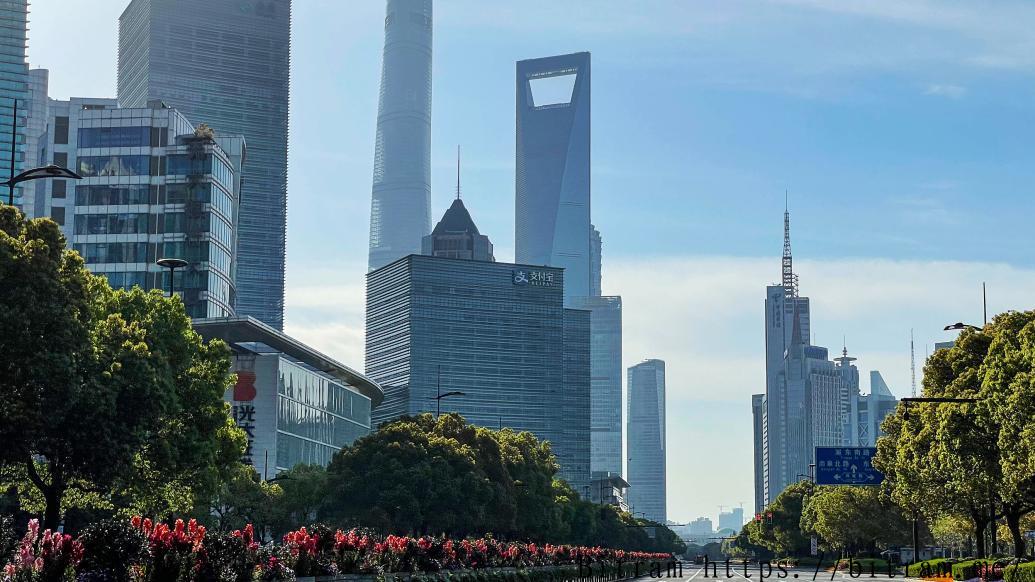
2025年3月28日,上海二手房市场迎来一个具有标志性意义的节点——单日网签成交量达到1585套,不仅刷新今年年内纪录,更创下近五年来上海二手房单日成交的历史峰值。这一数字背后,折射出的是整个上海楼市正在经历的深层回暖。
截至当日,上海3月二手房累计网签量已突破2.77万套,同比增长约8%。从周度数据看,成交量呈现出阶梯式上升的态势:3月上旬周成交约5700套,中旬突破7200套,下旬进一步攀升至7488套,周度成交量连续创下新高。3月以来,单日成交破千套的天数累计达到10天,其中6天突破1300套,这一高密度成交节奏为2021年以来首次出现。
3万套成关键节点,刚需主导本轮复苏
业内将月成交2万套视为上海二手房市场的"荣枯线",3万套则是进入活跃周期的分界线。
58安居客研究院院长张波预测,3月全月成交有望冲破3万套,达到2021年楼市高峰期的同期水平。不过他也指出,单月数据不能定论市场走势,后续2至3个月的成交量价变化才是判断市场是否真正进入上行通道的关键依据。
从需求结构来看,本轮回暖呈现明显的刚需主导特征。总价300万元以内的入门级房源最受追捧,3月上半月这类房源成交占比高达72%。中原地产分析师卢文曦表示,这是典型的底部修复信号——市场通常由刚需产品率先启动,随后热度逐步向首改、二改乃至高端改善产品传导,带动整个置换链条盘活。
供需矛盾缓解,卖家心态趋于理性
与成交量上升同步发生的,是供给端的积极变化。新政出台后,上海链家二手房挂牌量较去年同期下降约8%,原因在于成交速度的加快消化了存量房源,且新增挂牌量增速低于成交增速。更值得关注的是,卖家心态正在发生质变:从此前的急于变现,到春节前的观望惜售,再到如今的理性定价,整体议价幅度已在收窄,此前"以价换量"的局面正逐步扭转。
此外,自2025年8月起上海二手房挂牌量便持续走低,部分此前急于出售的业主已基本离场,市场的恐慌性抛售情绪已明显消退,房源供给趋于平稳。
易居研究院副院长严跃进认为,一季度政策利好与需求释放已为市场奠定坚实基础,二季度在宽松政策环境与刚需、改善性需求的共同支撑下,"金三银四"行情有望温和延续,楼市将整体呈现稳中向好的运行态势。
综合来看,上海二手房市场此轮回暖具备一定的基础支撑,但能否持续向上,仍有待成交量与价格在未来数月内共同验证。
Shanghai Second-Hand Home Sales Hit 5-Year Daily Record of 1,585 Units, Monthly Total Eyes 30,000 Milestone
On March 28, 2025, Shanghai's second-hand property market reached a landmark milestone — daily transaction volume hit 1,585 units, breaking not only this year's previous record but also setting a new five-year high for single-day home sales in the city. The figure signals a deeper recovery taking shape across Shanghai's real estate market.
By the end of that day, Shanghai's cumulative second-hand home transactions for March had surpassed 27,700 units, representing a year-on-year increase of approximately 8%. Weekly data tells an equally compelling story: transactions climbed from around 5,700 units in early March to over 7,200 in mid-March, and further to 7,488 in the following week. Throughout the month, daily transactions exceeded 1,000 units on 10 separate occasions, with 6 of those days surpassing 1,300 units — a pace of activity not seen since 2021.
30,000 Units: The Key Threshold, Driven by First-Time Buyers
Industry insiders consider 20,000 monthly transactions as the break-even line for Shanghai's second-hand market, while 30,000 marks the threshold for an active market cycle.
Zhang Bo, Dean of the 58 Anjuke Research Institute, projects that March's total could breach 30,000 units, matching transaction levels seen during Shanghai's 2021 property market peak. He cautioned, however, that a single month's data is insufficient to confirm a trend reversal — the real test lies in monitoring both volume and price movements over the next two to three months.
Structurally, this recovery is being led by entry-level, first-time buyers. Properties priced under 3 million yuan dominated activity, accounting for 72% of transactions in the first half of March. Lu Wenxi, a market analyst at Centaline Property, described this as a classic bottom-recovery signal, noting that market momentum typically starts with affordable housing before gradually spreading to first-upgrade buyers, then to higher-end improvement-oriented segments, eventually reviving the entire property trade-up chain.
Supply-Demand Balance Improves as Sellers Adjust Expectations
Alongside rising transaction volumes, positive changes are also emerging on the supply side. Following the rollout of new housing policies, second-hand home listings on Lianjia (Homelink) in Shanghai dropped roughly 8% year-on-year, as faster sales absorbed existing inventory while new listings grew more slowly than transactions. Equally notable is a shift in seller sentiment: from urgency to sell, to cautious holding before the Lunar New Year, to more rational pricing today. Negotiation margins are narrowing, and the earlier trend of cutting prices to secure sales is gradually reversing.
It is also worth noting that Shanghai's second-hand home listing volumes have been on a downward trend since August 2025. Many sellers who previously rushed to exit the market have largely done so, panic selling has subsided, and housing supply is returning to a more stable footing.
Yan Yuejin, Deputy Dean of the E-House China Research Institute, believes that the policy tailwinds and demand recovery seen in Q1 have laid a solid foundation for the market. Heading into Q2, with continued accommodative policies and sustained support from first-time and upgrade buyers, the traditional "Golden March, Silver April" seasonal strength looks set to extend moderately, with the broader market expected to maintain a stable and improving trajectory.
Taken together, Shanghai's second-hand housing market recovery appears to have meaningful underlying support. Whether this momentum can be sustained, however, will ultimately depend on how both transaction volumes and prices evolve over the months ahead.
发表评论