大国重器集中亮相!一周内多项顶尖科技装备重磅上新,中国硬实力全面升级

本周中国多项大国重器集中亮相,涵盖航空航天、深海探测、高端装备制造等核心领域,展现中国科技硬实力的全面跃升。从尖端军事装备到民用战略技术,多个领域同步突破,标志着中国在全球科技竞争中加速占据主动地位。
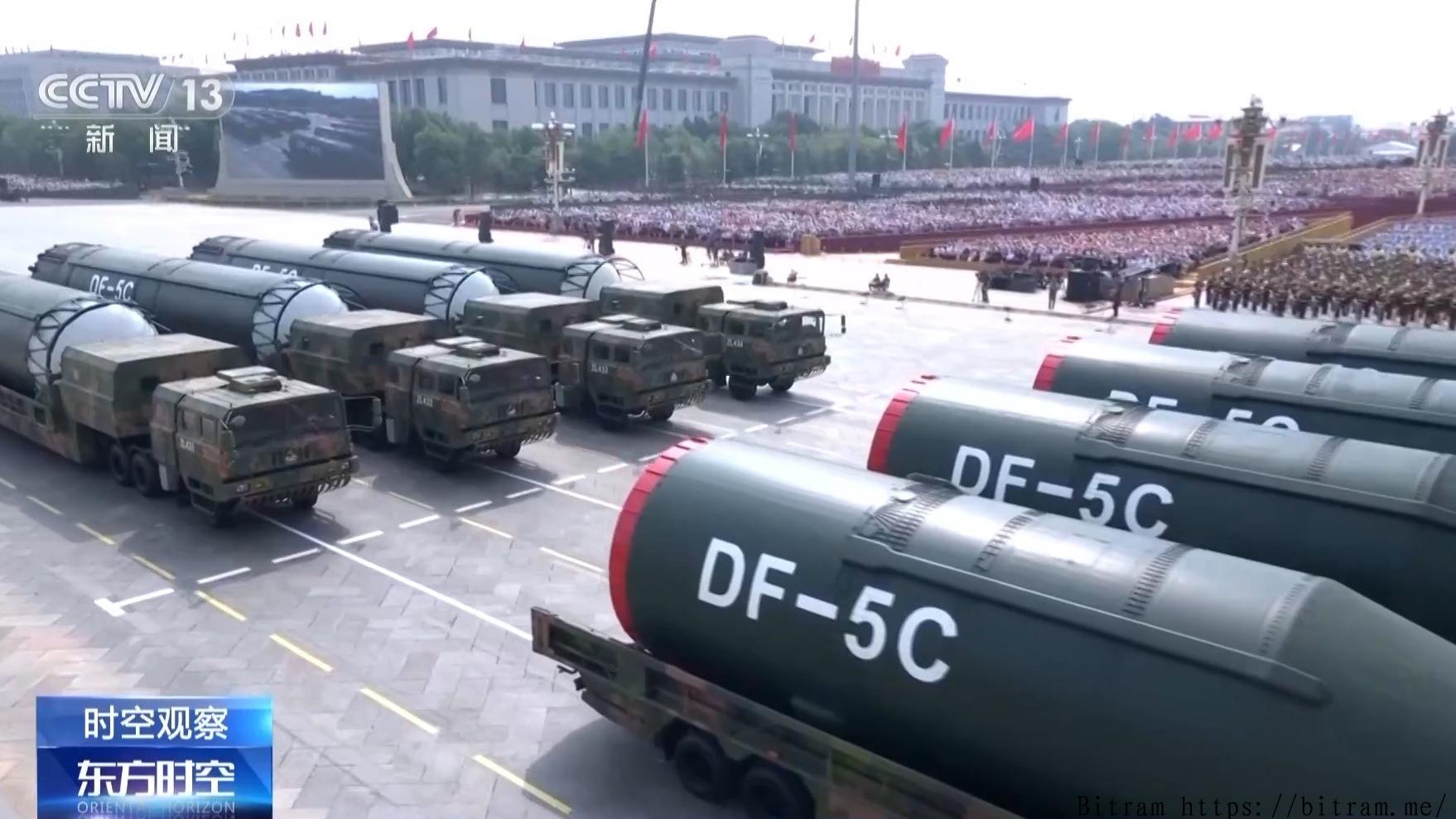
大国重器密集上新,硬实力跃升引关注
近期,中国多项战略级科技装备在同一时间窗口内集中亮相,涵盖航空航天、深海探测、高端装备制造等多个核心领域。这种罕见的"集中发布"节奏,不仅彰显了中国在关键技术领域的系统性突破能力,也释放出一个清晰信号:大国重器的研发已从单点突破迈向体系化推进。
从整体态势来看,此次密集亮相的装备覆盖面广、技术含量高。无论是推进国家战略安全的尖端军事平台,还是服务于经济发展的民用战略技术,均在短短一周内形成集中展示效应。这背后,是数以万计科研人员长达数年乃至数十年的持续投入。
多领域同步突破,背后逻辑值得关注
航空航天领域持续领跑。中国在大型航空装备、新型运载系统等方向不断取得阶段性成果,显示出完整自主工业体系的强大支撑力。与此同时,深海与极地探测装备也进入新阶段,标志着中国在"上天入海"两条战线上均具备了独立作业的核心能力。
值得关注的还有高端装备制造的国产替代进程——这一长尾趋势在本周的集中亮相中体现得尤为明显。多个曾长期依赖进口的关键部件和系统,如今已能实现完全自主供给。这不仅是技术层面的胜利,更具有深远的产业链安全意义。
"关键核心技术是要不来、买不来、讨不来的。"——这句话正在被一项项落地成果所印证。
从"跟跑"到"并跑",战略竞争新格局正在形成
若将本周的多项发布放在全球科技竞争的大背景下审视,其战略意义更加凸显。在全球供应链重构、技术壁垒持续加高的当下,自主可控的战略技术储备已成为大国博弈的核心筹码之一。
中国此次集中展示的成果,涉及领域之广、技术纵深之深,说明研发投入已开始进入"集中兑现期"。这对全球科技格局的影响不可低估——部分领域的竞争态势,正在从"追赶"转向"并驾齐驱",个别方向甚至初现"领跑"苗头。
总体而言,本周大国重器的集中亮相,是中国科技实力系统性提升的一次集中体现,标志着从航空航天到深海探测、从军事装备到民用战略技术,中国已在多个关键领域构建起较为完整的自主创新体系,硬实力的全面升级正在加速落地。
China's Top-Tier Tech Arsenal Unveiled: A Week of Landmark Breakthroughs in National Strategic Equipment
China's Strategic Equipment Takes Center Stage in a Historic Week
In a rare convergence of announcements, China unveiled multiple strategic-level technological systems across key sectors — including aerospace, deep-sea exploration, and high-end manufacturing — within a single week. This unusually concentrated rollout signals more than just individual milestones: it reflects a shift from isolated breakthroughs to a coordinated, systemic advancement of national strategic capabilities.
The breadth and technical depth of the equipment revealed this week is striking. From cutting-edge military platforms that underpin national security to civilian strategic technologies driving economic development, the concentrated showcase is the result of sustained investment by tens of thousands of researchers over years — sometimes decades.
Simultaneous Breakthroughs Across Sectors: What's Driving the Momentum?
Aerospace continues to lead the charge. China has achieved a series of incremental yet significant milestones in large-scale aviation systems and next-generation launch vehicles, underscoring the robustness of its fully indigenous industrial ecosystem. Equally noteworthy is the advancement of deep-sea and polar exploration equipment, which signals that China now possesses independent operational capabilities on both the "space frontier" and the "ocean frontier."
Also drawing attention is the accelerating domestic substitution in high-end manufacturing — a long-tail trend made unmistakably visible this week. Several critical components and systems that once relied heavily on imports are now fully domestically sourced. This is not merely a technical achievement; it carries profound implications for industrial chain security and strategic resilience.
"Core technologies in key fields cannot be begged, bought, or borrowed." — A principle now being validated by concrete results on the ground.
From "Following" to "Competing": A New Chapter in Strategic Tech Competition
When viewed against the backdrop of intensifying global technological competition, the strategic weight of this week's announcements becomes even more apparent. In an era of global supply chain restructuring and rising technological barriers, self-reliant strategic technology reserves have become one of the most critical assets in great-power competition.
The sheer range and depth of what was unveiled this week suggests that years of R&D investment are now entering a phase of concentrated payoff. The implications for the global tech landscape are significant — in several domains, China's posture is shifting from "catching up" to "running side by side," with early signs of outright leadership emerging in select areas.
In summary, this week's concentrated unveiling of China's top strategic technologies represents a systemic demonstration of the country's rising hard power. From aerospace and deep-sea exploration to military platforms and civilian strategic systems, China has now built a largely self-sufficient innovation ecosystem across multiple critical domains — and the full-scale upgrade of its national technological capabilities is clearly accelerating.
发表评论