年轻人婚姻观大转变:从"结不起婚"到"不想结婚",这一代人在想什么

越来越多的年轻人正从被动的"不能婚"转向主动的"不欲婚"。高房价、高彩礼、职场压力、个体意识觉醒……多重因素叠加,正在重塑这一代人的婚姻观与人生选择。本文深度分析这一社会现象背后的结构性原因与文化转变。
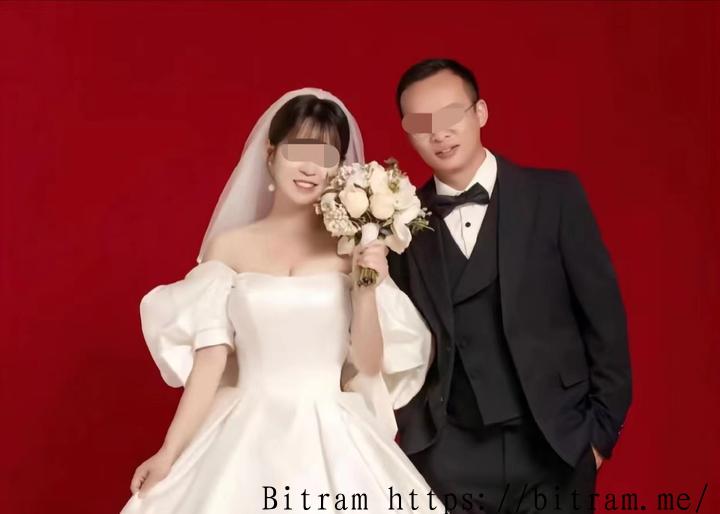
曾几何时,"成家立业"是中国年轻人人生规划中几乎不容置疑的标配。但如今,这个逻辑正在悄然瓦解。越来越多的年轻人不再是"想结婚但结不起",而是主动选择"我不想结"。这场婚姻观的深层转变,折射出的是整整一代人对生活方式的重新定义。
数据层面早已释放出信号。中国结婚登记人数已连续多年下滑,初婚年龄持续推后,大城市中独居青年的比例节节攀升。从"不能婚"到"不欲婚",看似一字之差,背后却是截然不同的逻辑起点。
结不起,曾是主要障碍
过去谈及年轻人不婚,经济压力往往是第一被提及的原因——高企的房价、动辄数万乃至数十万的彩礼、婚礼开销、养育成本……婚姻在很长一段时间里,都像是一道需要跨越的财务门槛。
这种"被动单身"背后,是结构性的经济挤压:
- 一线城市房价收入比长期畸高,买房成为婚姻的隐性前置条件
- 彩礼文化在部分地区持续攀升,婚姻成本已远超普通家庭承受范围
- 年轻一代就业压力增大,收入预期不稳定,难以支撑传统婚姻模式所需的物质基础
当婚姻与房产、彩礼、生育强绑定时,"结不起"是一种理性的退出,而非价值观的颠覆。
不想婚,才是更深的变化
然而近年来,一种新的声音正在崛起——不是"没钱所以不结",而是"即便有条件,我也不想结"。这是婚姻意愿的主动撤退,意味着这一社会议题已从经济层面上升到价值观层面。
个体意识的觉醒是这一转变最核心的驱动力。受过良好教育、拥有独立经济能力的年轻女性,越来越清醒地看到婚姻结构中潜藏的不平等——家务劳动的隐性分配、职业发展的隐性牺牲、生育压力的单向承载。对她们而言,婚姻不再是庇护所,而可能是另一种形式的束缚。
与此同时,"悦己消费"与"精神独立"成为新一代年轻人的生活关键词。一个人也可以旅行、养猫、经营社交、追求事业,单身生活的质量正在被重新评估和肯定。社交媒体上盛行的"独美"文化,也在不断强化"不婚也很好"的叙事。
当然,这一转变并非全然乐观。部分年轻人的"不欲婚"背后,隐藏着对亲密关系的恐惧、对长期承诺的回避,乃至对未来不确定性的集体焦虑。主动选择与被动逃避之间,边界有时并不清晰。
社会需要读懂这个信号
年轻人婚育意愿的下降,已成为多国政府面临的共同挑战。但政策层面的补贴与鼓励,往往难以触及问题的根源——当婚姻本身的"性价比"在年轻人眼中持续走低,单靠经济激励很难扭转趋势。
真正需要改变的,或许是整个社会对婚姻的定义与期待:婚姻应当是两个独立个体的自主选择,而非完成人生任务清单的必选项。 当这一前提被更广泛地接受,婚姻才可能重新成为一种有吸引力的生活方式,而不是一道需要被动完成的"人生命题"。
从"不能婚"到"不欲婚",这一代年轻人用脚投票,折射出的是婚姻制度本身亟待适应新时代的深层命题。
From "Can't Afford Marriage" to "Don't Want Marriage": How Young People's Attitudes Are Shifting
Not long ago, "settling down and starting a family" was an almost unquestioned milestone in the life plans of young Chinese people. Today, that script is quietly unraveling. A growing number of young people are no longer saying "I want to get married but can't afford it" — they're actively choosing "I simply don't want to." This deep shift in attitudes toward marriage reflects an entire generation redefining what a good life looks like.
The data has been sending signals for years. Marriage registrations in China have declined for multiple consecutive years, the average age of first marriage continues to rise, and the proportion of young people living alone in major cities keeps climbing. The shift from "can't marry" to "won't marry" may seem like a subtle distinction, but it represents an entirely different starting point.
Unaffordable Marriage: Once the Main Barrier
When the topic of young people avoiding marriage came up in the past, economic pressure was almost always the first explanation — sky-high property prices, bride prices that can run into the tens of thousands, wedding costs, and the long-term expense of raising children. For a long time, marriage functioned like a financial threshold one had to clear before moving forward in life.
This "passive singlehood" was driven by structural economic pressures:
- In tier-one cities, the ratio of home prices to income has long been unsustainably high, making property ownership an unspoken prerequisite for marriage
- Bride price expectations have continued to escalate in some regions, pushing the total cost of marriage far beyond what ordinary families can manage
- Growing employment uncertainty has left many young people without the stable income base that traditional marriage models assume
When marriage is tightly bundled with homeownership, bride prices, and childbearing, opting out is a rational economic response — not a rejection of values.
Not Wanting to Marry: The Deeper Shift
In recent years, however, a new voice has emerged — not "I can't afford it," but "even if I could, I'm not interested." This is a voluntary withdrawal from marriage as a life goal, which means the conversation has moved from economics to values.
The awakening of individual identity is the most fundamental force driving this change. Young women who are well-educated and financially independent are increasingly clear-eyed about the hidden inequalities embedded in traditional marriage — the unacknowledged burden of domestic labor, the quiet sacrifices required of women's careers, and the disproportionate pressure of childbearing. For many of them, marriage no longer feels like a place of security; it feels like a different kind of constraint.
At the same time, "self-fulfillment" and "emotional independence" have become defining values for the younger generation. Traveling solo, keeping pets, building a social life, pursuing a career — a fulfilling life outside marriage is no longer seen as a compromise. The "thriving alone" culture that dominates social media continuously reinforces the idea that a life without marriage is not only valid, but worth celebrating.
That said, this trend isn't entirely straightforward. For some young people, "not wanting to marry" conceals a deeper fear of intimacy, an avoidance of long-term commitment, or a collective anxiety about an uncertain future. The line between a conscious choice and a quiet escape is sometimes hard to draw.
Society Needs to Understand This Signal
Declining willingness among young people to marry and have children has become a shared challenge for governments around the world. But policy-level subsidies and incentives rarely reach the root of the problem. When the perceived "value" of marriage keeps falling in young people's eyes, financial incentives alone are unlikely to reverse the trend.
What may truly need to change is how society as a whole defines and expects marriage: marriage should be a free choice made between two independent individuals, not a mandatory checkbox on a life to-do list. When that premise is more widely accepted, marriage may once again become an appealing way of life — rather than an obligation waiting to be passively fulfilled.
From "can't marry" to "won't marry," this generation is voting with its feet. The message they're sending points to a deeper challenge: marriage as an institution must evolve to meet the demands of a new era.
发表评论