特朗普表态愿意停战:霍尔木兹海峡封锁危机下的中东博弈新走向

特朗普最新表态愿意在霍尔木兹海峡封锁背景下推动停战,这一信号引发国际社会广泛关注。霍尔木兹海峡是全球最重要的石油运输通道,一旦持续封锁将冲击全球能源市场。本文分析特朗普停战意愿背后的战略逻辑,以及中东局势走向对全球经济的深远影响。
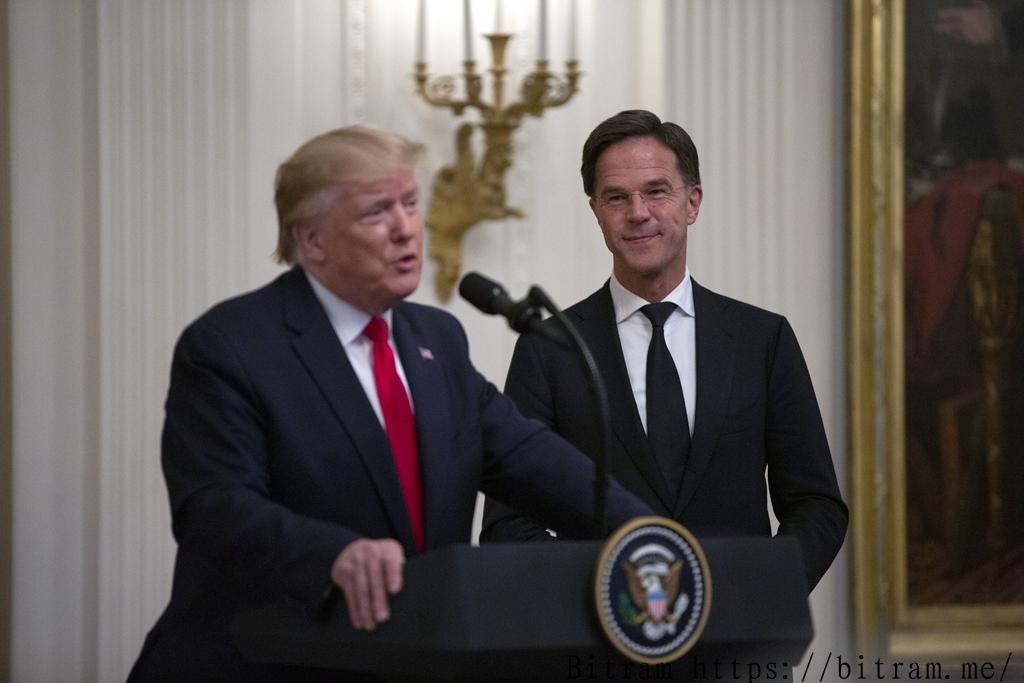
在霍尔木兹海峡封锁阴影持续笼罩全球能源市场的敏感时刻,特朗普释放出愿意推动停战的明确信号。这一表态迅速成为国际外交领域的焦点,也让外界对中东地区紧张局势能否出现转机充满期待。霍尔木兹海峡停战能否真正落地,将在很大程度上决定未来数月全球石油价格与地缘政治格局的走向。
霍尔木兹海峡是连接波斯湾与阿拉伯海的咽喉要道,全球约20%的石油贸易经由此处流通。一旦这条航道遭到封锁,不仅中东产油国的出口利益受损,亚洲、欧洲等主要能源进口地区同样将承受巨大压力。正是这种牵一发而动全身的战略价值,使得特朗普此番停战表态具有超越地区冲突本身的全球意义。
特朗普停战意愿背后的战略逻辑
从特朗普一贯的决策风格来看,这次释放停战意愿并非单纯出于人道主义考量,更多折射出多重现实利益的交织:
- 国内经济压力:油价高企直接推升美国通胀,对特朗普的支持率构成潜在威胁,尽早推动停火有助于稳定能源价格预期。
- 美国军事战略重心:美方长期寻求减少在中东的直接军事介入,将战略资源向印太地区转移,停战符合这一长期布局。
- 商业谈判筹码:特朗普历来擅长将冲突降级作为换取经济利益的谈判工具,停战表态或为后续更大规模的地区协议铺路。
值得关注的是,中东地缘政治风险并未因这一表态而骤然消散。相关各方的核心诉求差距依然明显,停战协议的具体条款、监督机制以及后续政治安排,都将是极为复杂的谈判议题。
霍尔木兹封锁对全球能源市场的冲击
在停战信号发出之前,霍尔木兹海峡局势已对全球原油价格波动产生了显著影响。市场对供应中断的担忧情绪持续发酵,能源期货市场的不确定性明显上升。若封锁状态进一步持续或升级,预计将带来以下连锁反应:
- 国际油价短期内承压上行,布伦特原油及WTI均可能面临新一轮涨价压力
- 亚洲主要经济体——包括中国、日本、韩国——进口成本显著攀升,输入性通胀风险加剧
- 全球航运保险费率上涨,供应链成本传导至终端消费品价格
当然,若停战谈判取得实质进展,上述风险将随之快速收窄,市场情绪也可能迎来明显修复。
外交窗口期能否转化为持久和平?
特朗普此次停战表态开启了一个外交窗口,但从表态到真正实现停火,中间仍有漫长距离。历史经验表明,中东地区的停战往往是脆弱而短暂的,根本性的政治解决方案才是稳定局势的关键。
霍尔木兹海峡的和平,不只是中东问题,更是全球能源安全与经济稳定的共同命题。
综合来看,特朗普停战表态为当前剑拔弩张的中东局势注入了一丝缓和预期,但真正的转折点在于各方能否在实质性议题上达成共识。全球能源市场、地区大国博弈以及美国自身的战略利益,将共同塑造这场外交努力的最终走向。持续关注霍尔木兹海峡局势演变,是理解未来中东格局与全球能源安全的重要窗口。
Trump Signals Willingness to Ceasefire Amid Strait of Hormuz Closure Crisis
At a sensitive moment when the shadow of a Strait of Hormuz blockade continues to loom over global energy markets, Donald Trump has sent a clear signal of willingness to pursue a ceasefire. This statement quickly became the focal point of international diplomacy, fueling cautious optimism that the escalating tensions in the Middle East may find a path toward de-escalation. Whether a Strait of Hormuz ceasefire can materialize will largely determine the trajectory of global oil prices and geopolitical dynamics in the months ahead.
The Strait of Hormuz serves as the critical chokepoint connecting the Persian Gulf to the Arabian Sea, with approximately 20% of global oil trade passing through its waters. A sustained blockade would not only damage the export interests of Middle Eastern oil-producing nations, but would also place enormous pressure on major energy-importing regions across Asia and Europe. It is precisely this strategic significance — where one disruption triggers a chain reaction — that gives Trump's ceasefire signal an importance extending far beyond the regional conflict itself.
The Strategic Logic Behind Trump's Ceasefire Signal
Consistent with Trump's characteristic decision-making style, this expression of willingness to pursue a ceasefire appears driven less by humanitarian impulse and more by a convergence of practical interests:
- Domestic economic pressure: Elevated oil prices directly fuel inflation in the United States, posing a potential threat to Trump's approval ratings. Pushing for an early ceasefire helps stabilize energy price expectations.
- U.S. military strategic reorientation: Washington has long sought to reduce direct military involvement in the Middle East while shifting strategic resources toward the Indo-Pacific — a ceasefire aligns with this long-term repositioning.
- Leverage in commercial negotiations: Trump has consistently used conflict de-escalation as a bargaining tool to secure economic concessions, and this ceasefire signal may be laying the groundwork for a broader regional deal.
Notably, Middle East geopolitical risk has not dissolved overnight with this statement. The gaps between the core demands of all parties remain significant, and the specific terms of any ceasefire agreement, along with monitoring mechanisms and follow-on political arrangements, will make for extraordinarily complex negotiations.
The Hormuz Blockade's Impact on Global Energy Markets
Even before Trump's ceasefire signal, the situation in the Strait of Hormuz had already exerted a measurable impact on global crude oil price volatility. Market anxiety over potential supply disruptions has been building steadily, and uncertainty in energy futures markets has risen sharply. Should the blockade continue or escalate further, the following chain reactions are anticipated:
- International oil prices face renewed upward pressure in the near term, with both Brent crude and WTI potentially entering a new cycle of increases
- Major Asian economies — including China, Japan, and South Korea — would see import costs rise significantly, intensifying imported inflationary pressures
- Global shipping insurance rates would climb, with supply chain costs ultimately passing through to consumer goods prices
Conversely, if ceasefire negotiations yield substantive progress, these risks could recede rapidly and market sentiment could see a meaningful recovery.
Can This Diplomatic Window Translate Into Lasting Peace?
Trump's ceasefire signal has opened a diplomatic window, but the distance between a statement of intent and an actual cessation of hostilities remains considerable. History in the Middle East suggests that ceasefires are often fragile and short-lived; a fundamental political resolution remains the only reliable foundation for lasting stability.
Peace in the Strait of Hormuz is not merely a Middle Eastern issue — it is a shared imperative for global energy security and economic stability.
On balance, Trump's ceasefire overture has introduced a note of cautious optimism into the current high-tension Middle East situation, but the true turning point depends on whether all parties can find common ground on substantive issues. Global energy markets, the maneuvering of regional powers, and America's own strategic interests will collectively shape the outcome of this diplomatic effort. Closely tracking developments around the Strait of Hormuz remains an essential lens through which to understand the future of Middle Eastern affairs and global energy security.
发表评论