海信海尔美的等多个家电品牌4月起宣布涨价,涨幅最高达20%

海信、海尔、美的、西门子、TCL、松下等多家主流家电品牌宣布自4月1日起上调产品售价,涨幅普遍在5%至20%之间。此轮家电涨价与原材料成本持续攀升密切相关,消费者或面临购置家电成本上升压力。本文解析涨价背后的原因及对消费者的影响。
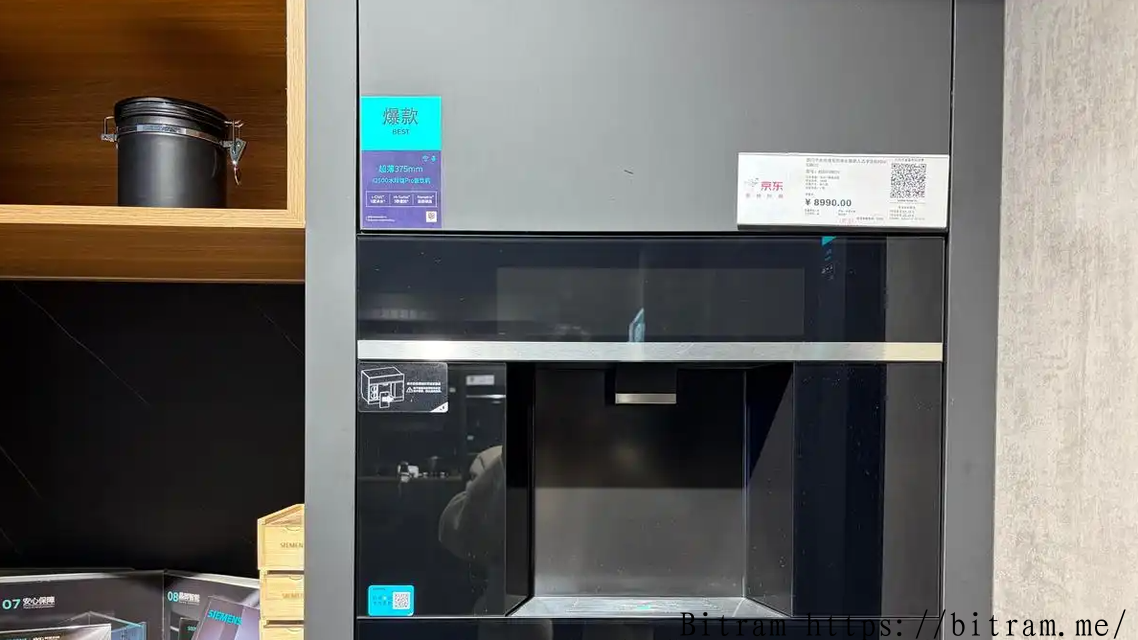
进入2025年,家电市场迎来一轮集中涨价潮。海信、海尔、美的、西门子、TCL、松下、容声、方太等多个主流家电品牌相继发布调价公告,宣布自4月1日起对旗下部分或全线产品上调售价。此次家电涨价涉及品牌之多、范围之广,在近年来较为罕见,引发消费者和行业的广泛关注。
从调价幅度来看,各品牌涨幅普遍集中在5%至20%之间,部分品类涨幅相对明显。值得注意的是,这并非"一刀切"式的全面提价——不同品牌、不同产品线的调整力度存在差异,消费者在采购时需关注具体产品的价格变动情况。
原材料成本上涨是主因
业内普遍认为,此轮家电集体涨价的核心驱动力来自上游原材料价格的持续上涨。铜、铝、钢材、工程塑料等关键生产材料近期成本明显攀升,直接压缩了家电企业的利润空间。与此同时,国际物流成本、能源价格等因素也在一定程度上加剧了制造端的成本压力。
当多家头部品牌同步宣布涨价,往往意味着整个行业的成本压力已积累到难以自行消化的临界点。
对于家电企业而言,在竞争激烈的市场环境下,长期维持低价策略势必侵蚀品牌的盈利能力和研发投入。此次集体调价,在某种程度上也是企业向市场传递成本压力向终端传导的信号。
消费者如何应对?
面对家电产品价格上涨的趋势,有近期购置家电计划的消费者不妨提前做好功课:
- 提前比价锁价:在4月调价前,部分平台和门店可能仍维持旧价,可趁机入手有需求的产品。
- 关注以旧换新政策:结合当前各地推行的家电以旧换新补贴政策,综合计算实际购置成本,补贴力度较大时整体支出未必明显增加。
- 理性区分刚需与非刚需:对于非紧急更换的家电,可观察涨价落地后市场的实际反应,部分产品在促销节点仍有优惠空间。
从更宏观的视角来看,此轮家电涨价是全球大宗商品价格波动向消费端传导的缩影,并非孤立现象。家电行业的价格走势,也将成为观察下游消费市场韧性的重要窗口。
总体来看,多个家电品牌此次集中宣布4月起涨价,根源在于原材料成本的系统性上升,消费者应结合自身需求和补贴政策理性安排采购计划,同时关注市场后续价格动态。
Major Home Appliance Brands Including Haier, Midea and Hisense Announce Price Hikes Up to 20% Starting April
As 2025 progresses, China's home appliance market is experiencing a wave of coordinated price increases. Major brands including Hisense, Haier, Midea, Siemens, TCL, Panasonic, Ronshen, and Fotile have issued official pricing notices, announcing adjustments to some or all of their product lines effective April 1. The breadth of brands involved makes this one of the more significant industry-wide repricing events in recent years, drawing considerable attention from consumers and market observers alike.
In terms of the scale of increases, most brands are raising prices by 5% to 20%, with certain product categories seeing steeper hikes. It's worth noting that this is not a blanket, across-the-board adjustment — the degree of change varies by brand and product line, so consumers should check the specific pricing for items they plan to purchase.
Rising Raw Material Costs Drive the Change
Industry insiders widely attribute this round of price hikes to sustained increases in upstream raw material costs. Key production inputs such as copper, aluminum, steel, and engineering plastics have all seen notable cost increases recently, directly squeezing profit margins for home appliance manufacturers. International logistics costs and energy prices have further compounded the pressure on the manufacturing side.
When multiple leading brands announce price increases simultaneously, it typically signals that cost pressures across the industry have reached a tipping point that can no longer be absorbed internally.
For home appliance companies operating in a fiercely competitive market, maintaining a long-term low-price strategy inevitably erodes profitability and limits investment in research and development. In this sense, the coordinated price adjustments also serve as a market signal that production-side cost pressures are being passed through to end consumers.
How Should Consumers Respond?
For those planning to purchase home appliances in the near term, a few strategies are worth considering in light of rising home appliance prices:
- Compare prices and lock in deals early: Some retailers and online platforms may still honor pre-April pricing, making it a good window to buy items you already need.
- Take advantage of trade-in subsidy programs: Many local governments are currently running trade-in incentive schemes for home appliances. Factoring in these subsidies, the net cost increase for consumers may be less significant than the headline price hike suggests.
- Distinguish between urgent and non-urgent purchases: For appliances that don't need immediate replacement, it may be worth waiting to see how the market responds post-April — promotional discounts during shopping festivals could still offer meaningful savings.
From a broader perspective, this wave of price increases is a reflection of global commodity price volatility feeding through to the consumer level, and should be understood as part of a wider economic trend rather than an isolated event. How the home appliance sector navigates this pricing shift will also serve as a useful indicator of consumer market resilience going forward.
In summary, the April price hikes announced by multiple major home appliance brands stem from systemic increases in raw material costs. Consumers are advised to plan purchases wisely, factor in available subsidies, and stay informed about market price developments in the weeks ahead.
发表评论